Language

Pulished on Feb. 09, 2026
Ceramic cups are the preferred choice for coffee, primarily because the material properties of ceramic perfectly suit the needs of coffee drinking. They neither compromise the coffee's flavor nor distort its taste, and they are far superior to glass, plastic, and metal in terms of heat retention, user experience, safety, and practicality. They also offer both aesthetic appeal and cost-effectiveness, making them the optimal solution that balances function and experience. The following is a detailed breakdown of the advantages, highlighting the irreplaceable nature of ceramic cups by comparing them to the shortcomings of other materials:
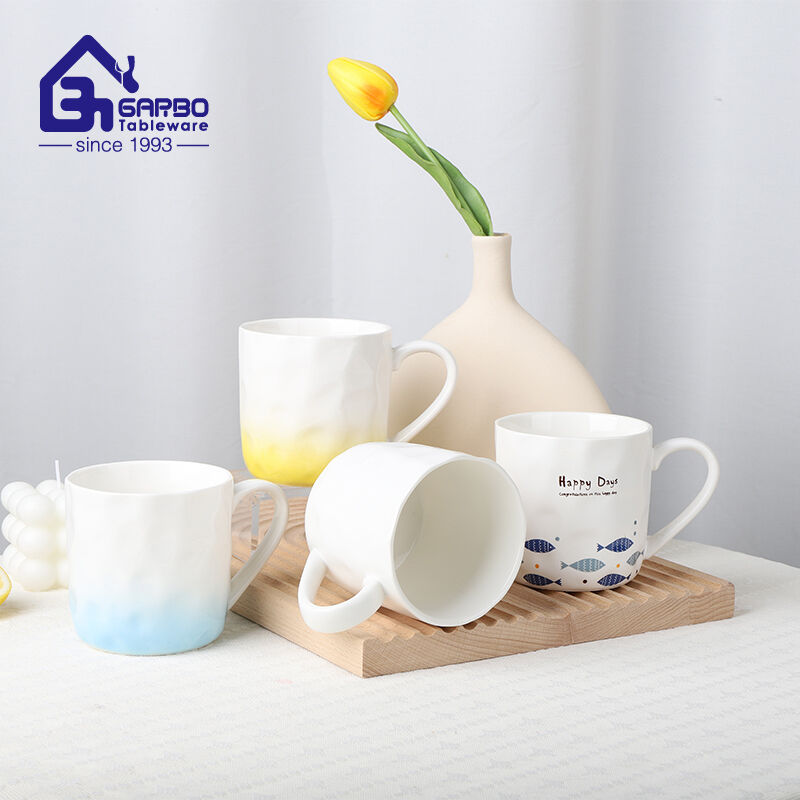
1. Odorless and non-absorbent, preserving the true flavor of coffee
The main components of ceramic are kaolin, quartz, and feldspar. After firing at temperatures above 1200℃, a dense vitreous glaze and porcelain body are formed. The molecular structure is extremely stable, with no pores, no water absorption, and no odor absorption.
✅ When holding coffee, it will not release any chemical substances, nor will it absorb the oils and aromas of the coffee. Even after repeated use, there will be no residual odor, accurately presenting the flavor layers of the coffee beans (fruit acidity, caramel, nutty aroma, etc.);
❌ Compared to shortcomings: Plastic cups easily release plasticizers and absorb coffee flavors; metal cups (stainless steel, aluminum) react slightly with the acidic substances in coffee, altering the taste or even giving it a metallic taste; while ordinary glass cups are odorless, thin cups easily lose heat, and coarse ceramic cups have pores that absorb odors.
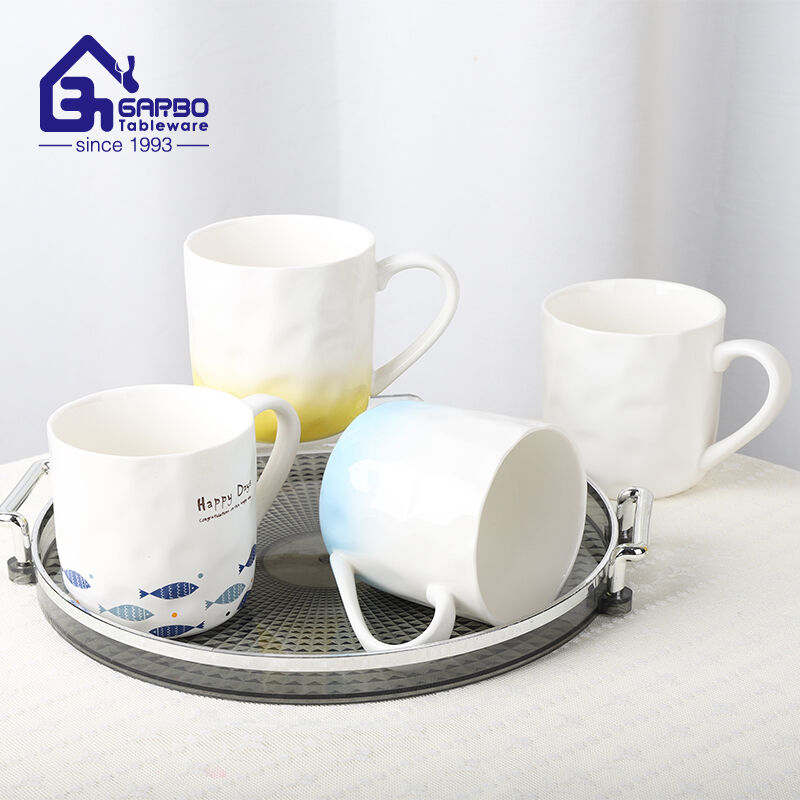
2. Moderate heat retention, suitable for the ideal coffee drinking temperature
The optimal drinking temperature for coffee is 60-65℃. Ceramic has low thermal conductivity and moderate heat capacity. It won't conduct heat quickly like metal cups (making the cup too hot to hold and the coffee cool down quickly), nor will it retain heat for too long like thick glass cups (scalding the mouth, and prolonged high temperatures can lead to over-extraction of the coffee, making it bitter and astringent).
✅ Ceramic cups allow coffee to maintain a comfortable drinking temperature for longer, while the outside of the cup doesn't heat up quickly, providing a comfortable feel when holding it; cold brew coffee in a ceramic cup also slows down the melting of ice, preventing the coffee from being diluted too quickly;
❌ Compared to shortcomings: Glass (especially thin glass) conducts heat quickly, causing the coffee to cool down quickly and condensation to form on the cup; stainless steel vacuum cups retain heat too well, and prolonged high temperatures can destroy the coffee's flavor.
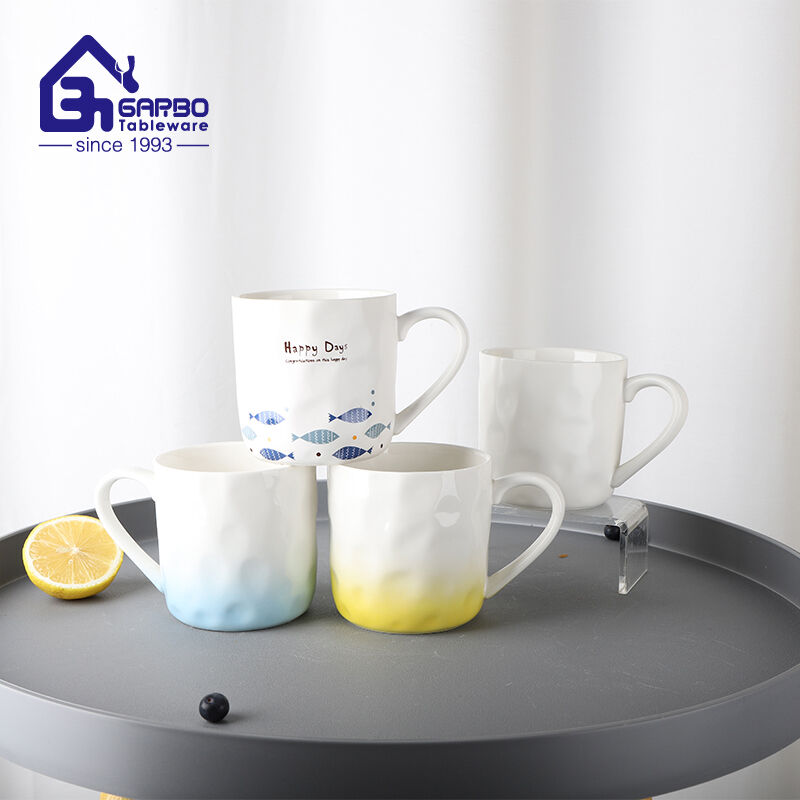
3. Smooth glaze, easy to clean, and wear-resistant, offering maximum practicality.
The glaze on ceramic cups is a smooth, glassy layer that doesn't stick to grease or accumulate stains. After drinking coffee, a quick rinse with water or a small amount of detergent is enough to clean it. Even dried coffee stains can be easily wiped away without strenuous scrubbing.
✅ Furthermore, ceramics fired at high temperatures have high hardness and are not easily scratched by spoons or cup brushes during daily use. They can also withstand the high temperatures of dishwashers and sterilizers, and will not easily deform or break with long-term use (for qualified ceramic cups);
❌ In contrast: plastic cups are easily scratched, and dirt and grime can accumulate in the scratches; glass cups are brittle and easily broken, and condensation on the cup walls can make them slippery; unglazed parts of earthenware cups have pores, making it difficult to clean coffee stains that seep in.
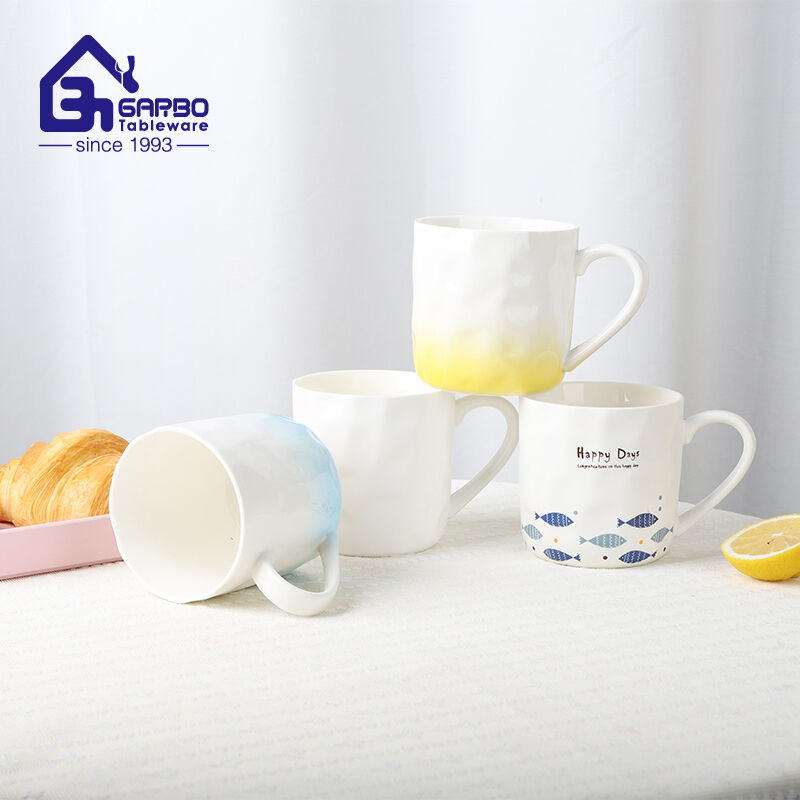
4. Safe and non-toxic, high temperature resistant, suitable for various brewing methods.
Qualified ceramic cups (especially food-grade white porcelain and bone china) are fired at high temperatures, and the glaze is lead- and cadmium-free, meeting food contact standards. They can withstand boiling water and hot coffee, and you can even pour boiling water directly into the ceramic cup for pour-over coffee without cracking or releasing harmful substances.
✅ Whether it's pour-over, espresso, drip, or instant coffee, ceramic cups are suitable for all, with no safety concerns for daily use, making them safe for both the elderly and children;
❌ In contrast: plastic cups are not high-temperature resistant, and pouring boiling water into them can easily cause deformation and release harmful substances; ordinary colored glazed glass cups, if the glaze is not up to standard, may pose a risk of lead and cadmium leaching.
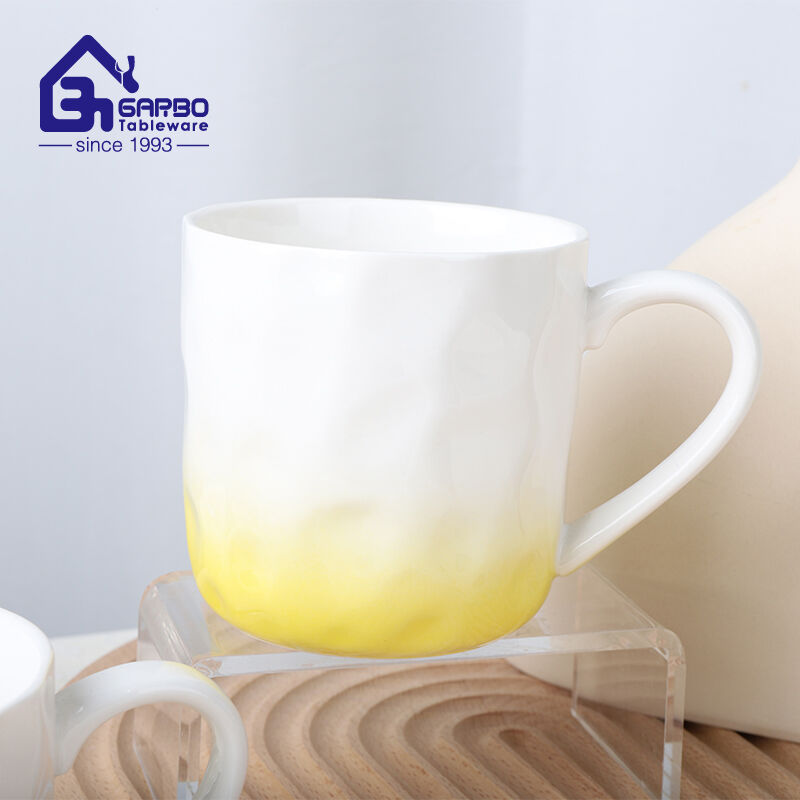
5. Warm and comfortable to the touch, excellent grip experience.
Ceramics have a moderate density, giving the cup a slight weight, and the touch is warm and not cold. Especially in autumn and winter, holding a ceramic cup of coffee doesn't have the immediate cold feeling of glass or metal cups. The texture when holding the cup enhances the overall drinking experience; and the cup design of ceramic cups (such as a slightly flared rim and curved body) fits the lips better, making it less likely to spill coffee.
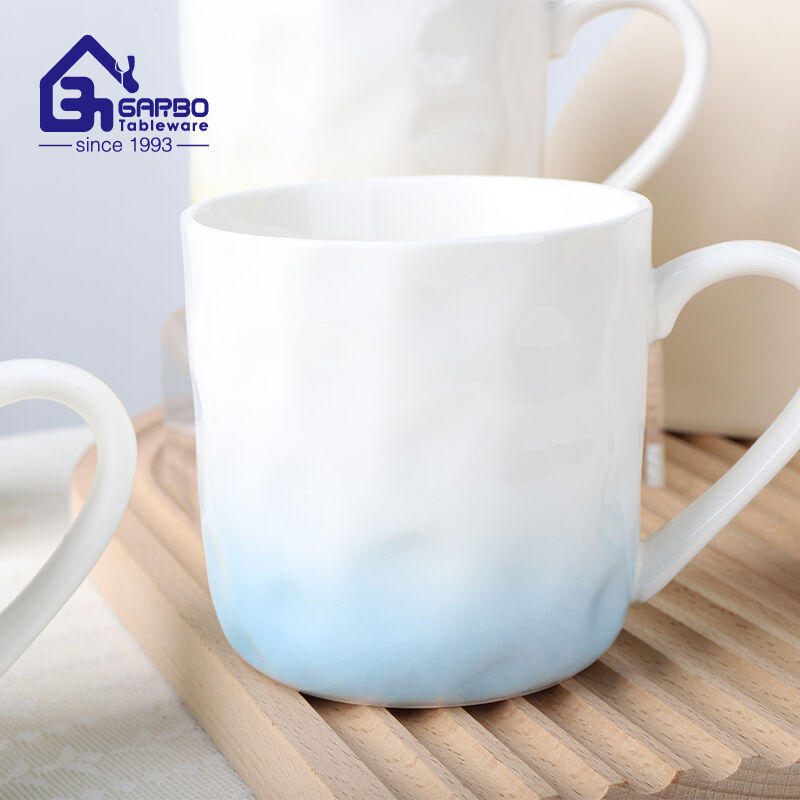
6. Strong plasticity, balancing aesthetics and functionality
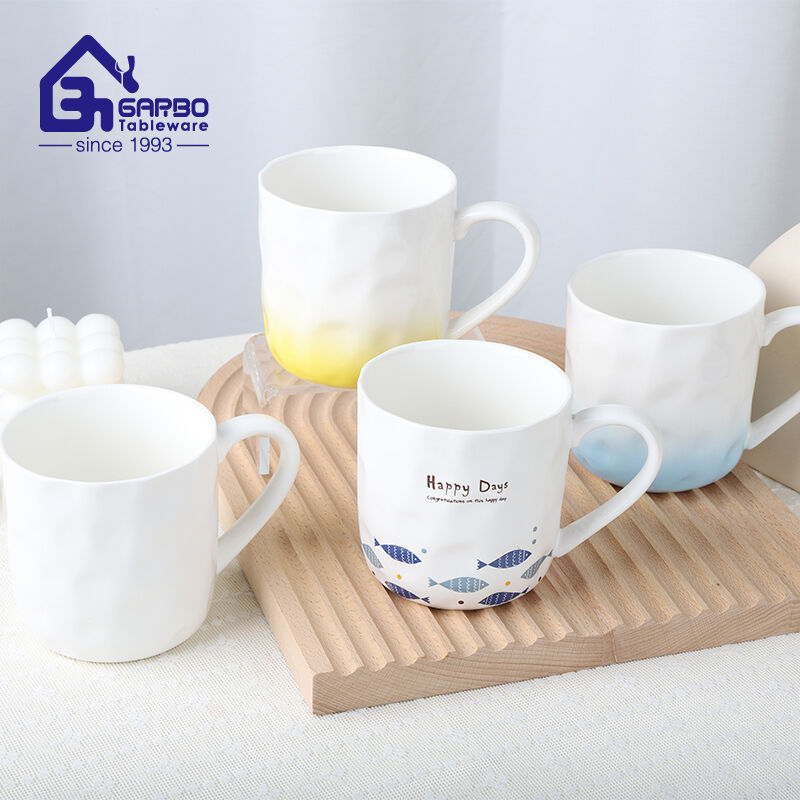
The mature firing process of ceramics allows for the creation of various cup shapes, patterns, and textures. From simple white porcelain espresso cups and pour-over cups to vintage cups with patterns and embossed cups, they can meet the functional needs of coffee (such as the small capacity of espresso cups for concentrated coffee, and the wide mouth of pour-over cups for heat dissipation), and can also be matched to home decor styles and drinking occasions, combining practicality and decorative appeal, and even becoming part of the coffee ritual.
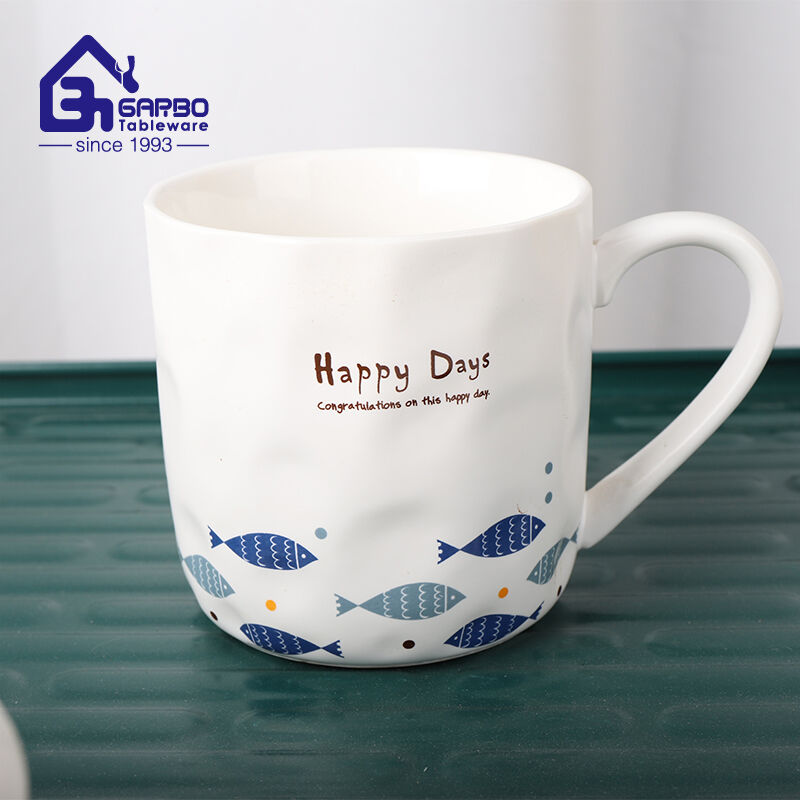
7. High cost-effectiveness and easy availability
Ceramic cups are made from readily available raw materials, and the manufacturing process is widespread. Prices vary widely, from a few yuan for ordinary white porcelain cups to hundreds of yuan for artisanal cups, meeting the needs of different consumer levels. They are easily available in offline supermarkets and online platforms. Compared to bone china cups (more high-end but more expensive) and crystal cups (fragile and expensive), ceramic cups are a highly cost-effective option.
Supplement: Subcategories of ceramic cups, choosing the right one for coffee
Ceramic cups also come in different categories. White porcelain cups and bone china cups are top-tier choices for coffee cups. Both have denser glazes and finer textures. White porcelain cups are more cost-effective, while bone china cups are lighter and more translucent. However, earthenware and stoneware cups, due to their slight porosity, are more suitable for drinking strong tea and are not recommended for long-term use with coffee.
Summary
The reason why ceramic cups are the preferred choice for coffee cups is essentially the high degree of matching between the material characteristics and the needs of coffee consumption: they maintain the core requirement of "preserving the original flavor of coffee," while achieving a balance in heat retention, cleaning, safety, and experience, and simultaneously balancing aesthetics and cost-effectiveness. Other materials cannot achieve such a comprehensive effect in all dimensions.
Simply put, a good cup of coffee needs a cup that doesn't "steal the show," but only "enhances" it, and a ceramic cup is the "best partner" that understands coffee best.


Garbo at 139th Canton Fair: 30+ Years of Glass Heritage + In-House Cutlery Factory
Garbo 139th Canton Fair : Full range of Glassware and kitchenware products, one-stop customizat...
Brilliant Tableware Illuminates Life: Garbo International Shines at the 2026 Shanghai Inter...
Garbo+ Stainless Steel Cutlery and Tableware Impress at the 138th Canton Fair

Garbo International boss leads sales team for global business trip