Language

Pulished on Feb. 13, 2026
In the German consumer market known for its rigor and pragmatism, it is not by chance that ceramic tableware can stand firm and continue to be popular. It fully meets the core needs of German consumers and businesses, from addressing industry pain points, adapting to lifestyle, to optimizing procurement logic. This article will analyze the underlying logic behind the widespread popularity of ceramic tableware in the German market from three dimensions: pain point cracking, product adaptation, and procurement optimization, combined with industry data and market cases.
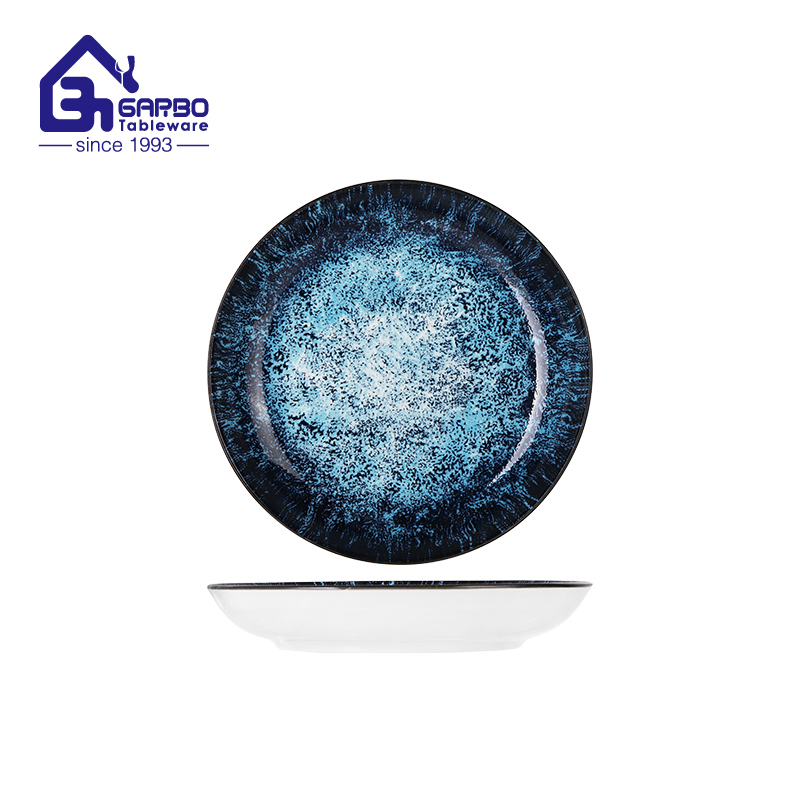
The German market has stringent tableware quality standards, with ordinary plastic and inferior tableware having prominent flaws: 2025 DEHOGA data shows their annual replacement costs from wear and cracking account for 4%-6% of restaurants' operating budgets, and BfR tests find 12% of low-cost plastic tableware leach harmful substances at high temperatures, burdening businesses and triggering consumer health worries.
Ceramic tableware resolves these issues perfectly: its high-density glaze, fired at over 1200℃, boasts 3-4 times the scratch resistance of plastic tableware and a lifespan of over 5 years, cutting businesses’ annual replacement costs by around 30%. Moreover, premium ceramic tableware is LFGB-certified, eliminating harmful leaching risks and building strong consumer trust in safe dining in Germany.
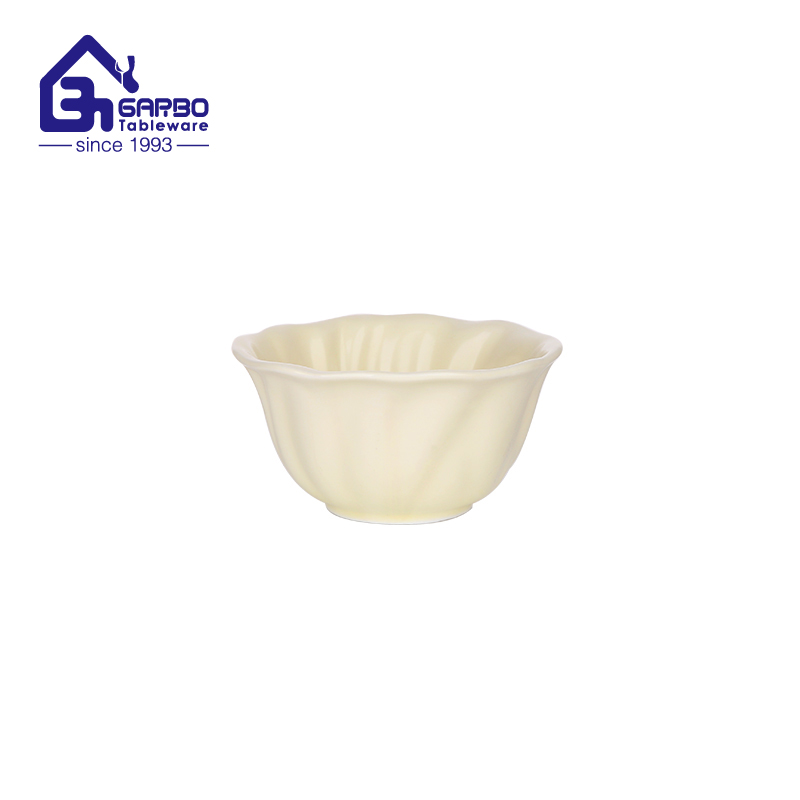
German lifestyle demands tableware with both functionality and texture, a need ceramic tableware fulfills perfectly. Practically, it features excellent thermal stability (-20℃ to 400℃), works with ovens and microwaves, and caters to the baking habit of 68% of German households (baking at least once a week), making it a kitchen staple; its sturdiness also brings a breakage rate half that of ordinary glass tableware, ideal for high-frequency use. Aesthetically, its matte glaze and minimalist lines align with Germany's "simple but not plain" taste and local craft traditions. Nordic minimalist ceramic tableware even sees an 18% annual sales growth, satisfying the aesthetic needs of both high-end restaurant plating and daily family dining.
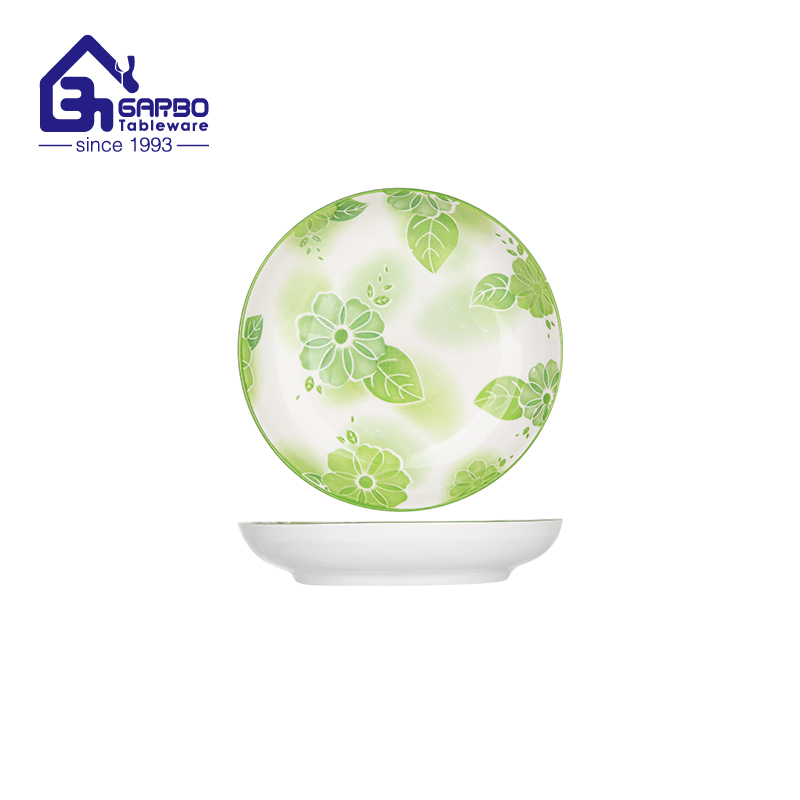
German lifestyle calls for tableware that balances functionality and texture, which ceramic tableware delivers perfectly. Practically, it has outstanding thermal stability (-20℃ to 400℃), is oven and microwave compatible, suits the baking habit of 68% of German households (at least once weekly) as a kitchen staple, and its sturdiness means a breakage rate half that of ordinary glass tableware, great for high-frequency use. Aesthetically, its matte glaze and minimalist lines match Germany’s "simple but not plain" taste and local craft traditions; Nordic minimalist ceramic tableware achieves 18% annual sales growth, meeting the aesthetic needs of both high-end restaurant plating and daily family dining.
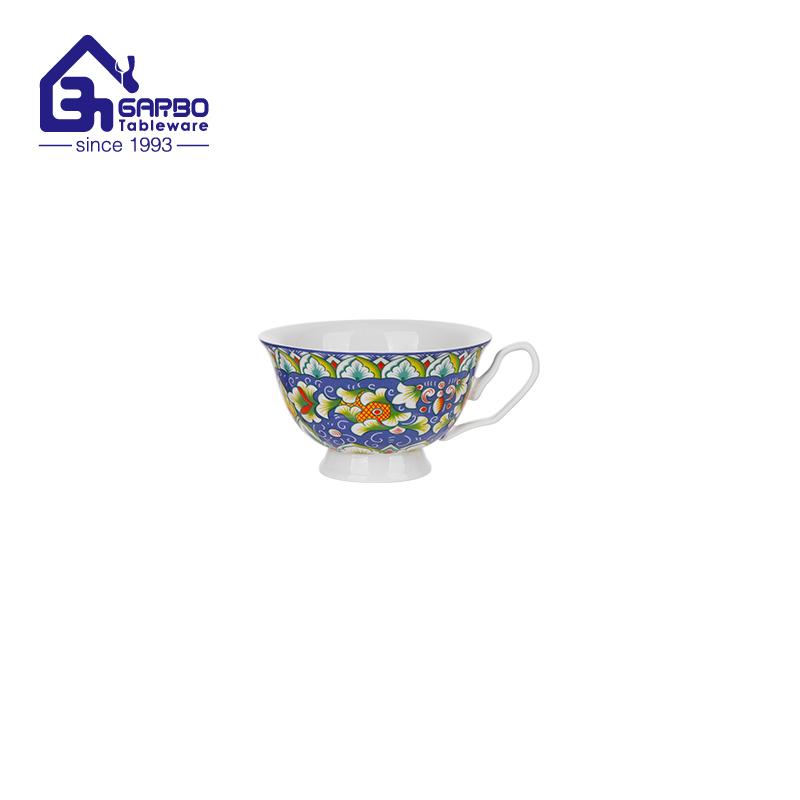
The reason why ceramic tableware is favored by the German market is that it fully meets local needs: solving tableware wear and health pain points with high quality and safety certification, adapting to German life and aesthetics with practical performance and simple design, and matching German enterprise management concepts with stable supply chains and controllable costs, becoming the preferred choice in the market.


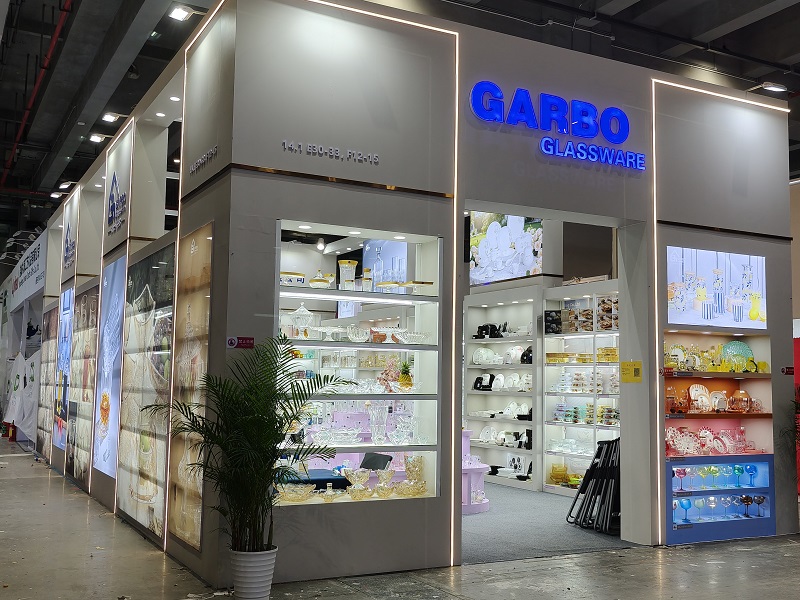
Garbo at 139th Canton Fair: 30+ Years of Glass Heritage + In-House Cutlery Factory
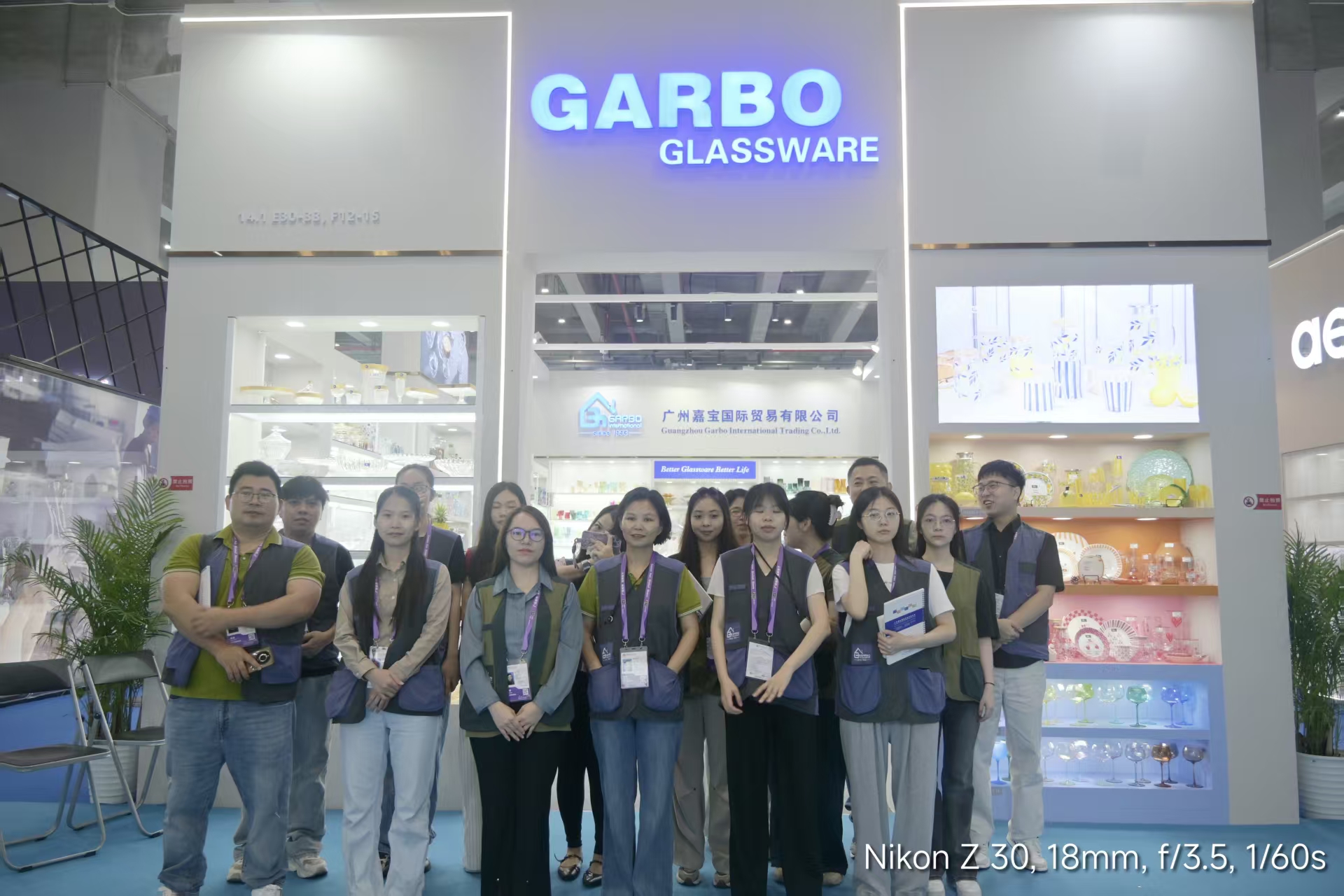
Garbo 139th Canton Fair : Full range of Glassware and kitchenware products, one-stop customizat...
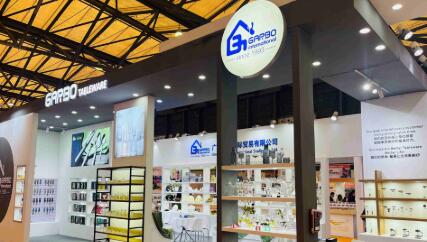
Brilliant Tableware Illuminates Life: Garbo International Shines at the 2026 Shanghai Inter...
Garbo+ Stainless Steel Cutlery and Tableware Impress at the 138th Canton Fair

Garbo International boss leads sales team for global business trip