Language

Pulished on Feb. 16, 2026
Every time when we visit the tableware store, we are always attracted by the dazzling array of ceramic bowls and plates which manufactured from China. Some of the lightweight
tableware looks like plastic, but it is labeled as "imitation porcelain". Some are heavy and have an earthenware texture. Today, let's talk about these "seemingly similar" tableware
items on the dining table and what the differences are between them?
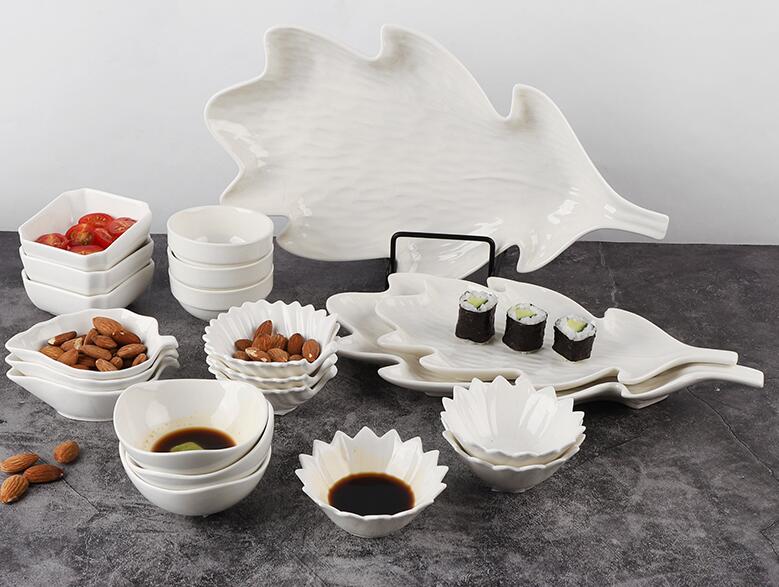
So, what is "plastic-like tableware"? It is also called melamine tableware. In fact, it is not ceramic; it is made of melamine resin. The biggest advantage is its durability - if you
have children at home, then this kind of tableware is simply a "wonder tool". It is very light, comfortable to hold, doesn't tire your hands, and its surface is smooth, making it
easy to clean. The price is usually relatively cheap.
However, there are a few points to note: It is not suitable for heating in a microwave oven. In a microwave, it will release harmful substances. At the same time, it cannot come
into contact with hot oil soup, such as freshly fried food directly placed on the plate, as it will also release toxic substances. Finally, after prolonged use, the surface of these
utensils will develop scratches.
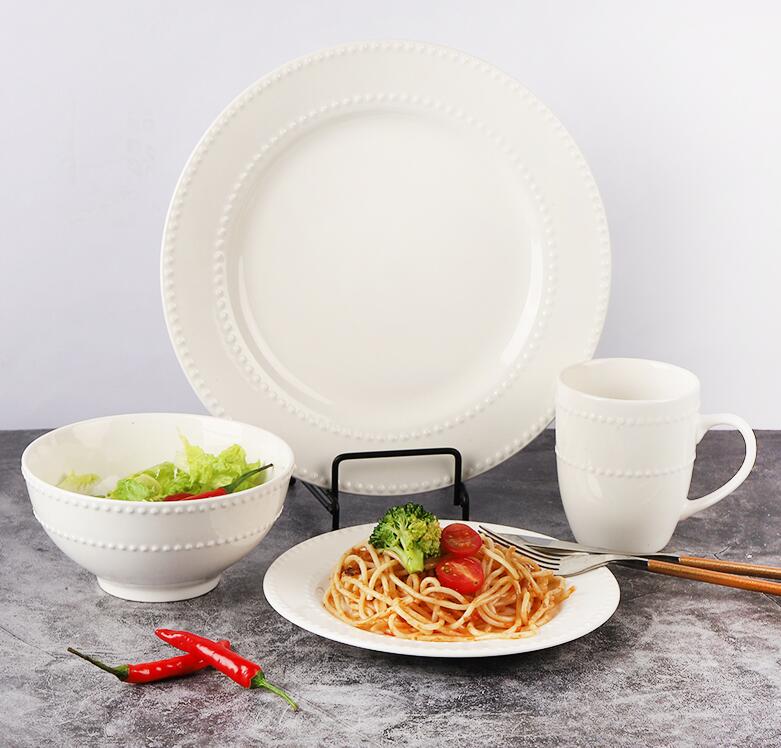
So, what is a genuine ceramic tableware? Ceramic is made by firing natural clay at high temperatures. Its greatest charm lies in its texture - the smooth touch, the stable weight,
which can make the act of eating more ceremonious. True ceramic tableware is safe and non-toxic and can be directly placed in microwave ovens, ovens and dishwashers. It is
important to note that if the ceramic tableware has metal decorations, we do not recommend putting them in microwave ovens, ovens and dishwashers either. Another advantage
of true ceramic tableware is that it is less likely to leave any residual odors after cleaning.
However, ceramics tableware wholesale from Chinese factory are not very durable. They break easily when dropped. Also, their prices are usually higher. Some cheap glazed ceramics may have the risk of exceeding the
standard for lead and cadmium content if the manufacturing process is not up to standard.
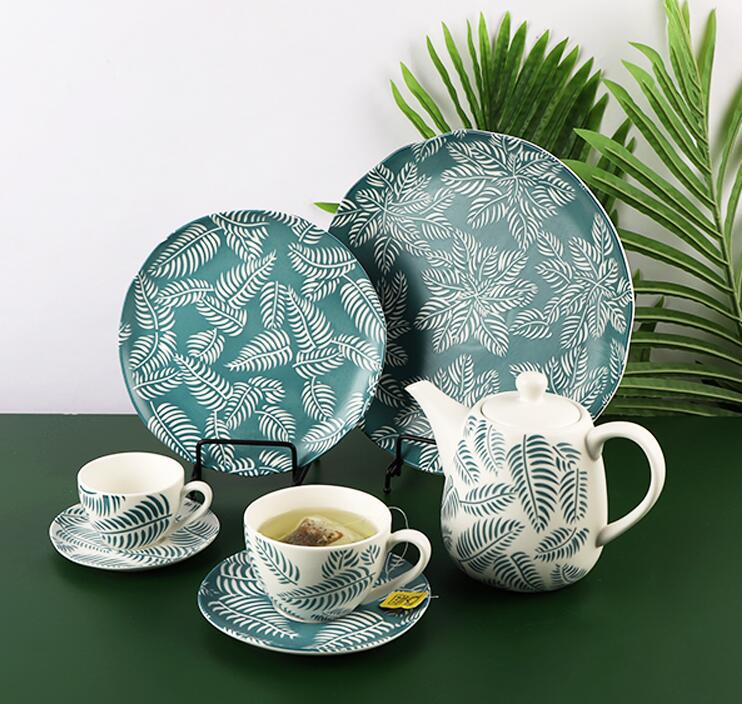
When it comes to melamine tableware and ceramic tableware, how should we make a choice? If you are looking for practicality, durability, and your home has children, then faux
porcelain (melamine) tableware is more suitable for you; if you value texture, health, and often need to heat food, then you can choose genuine ceramic tableware. But no matter
which type you choose, when purchasing, you should recognize the genuine brand and the "food contact use" label. Never be tempted by overly bright patterns. In the end, tableware
is an extension of life. Whether it's the convenience of faux porcelain or the texture of ceramic, choosing the one that suits you best can ensure that every meal is reassuring and delightful.


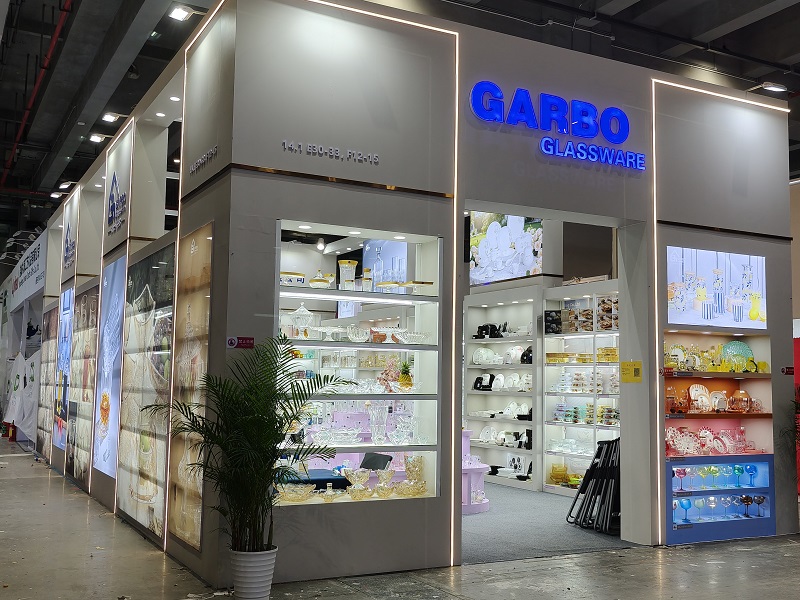
Garbo at 139th Canton Fair: 30+ Years of Glass Heritage + In-House Cutlery Factory
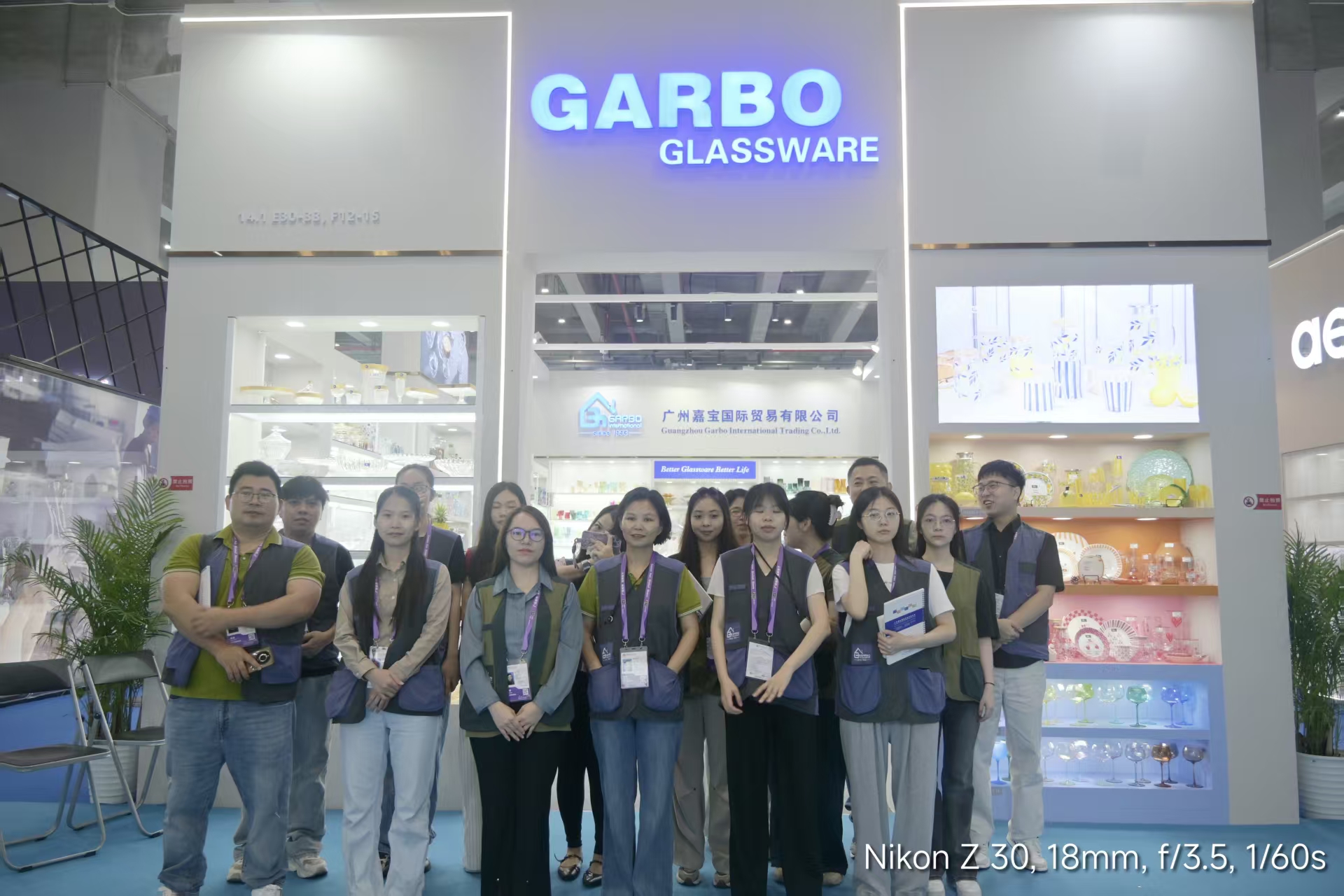
Garbo 139th Canton Fair : Full range of Glassware and kitchenware products, one-stop customizat...
Brilliant Tableware Illuminates Life: Garbo International Shines at the 2026 Shanghai Inter...
Garbo+ Stainless Steel Cutlery and Tableware Impress at the 138th Canton Fair

Garbo International boss leads sales team for global business trip