Language

Pulished on Feb. 25, 2026
Ceramic cups are more than just vessels for beverages; they are essential components of daily life. The shape design of a ceramic cup is not merely about its appearance—it also impacts how long drinks stay warm, how comfortable it is to hold, and even the taste of the beverage. So, do you know how to choose a suitable cup for you? Today, let's explore common cup shapes and their functions.
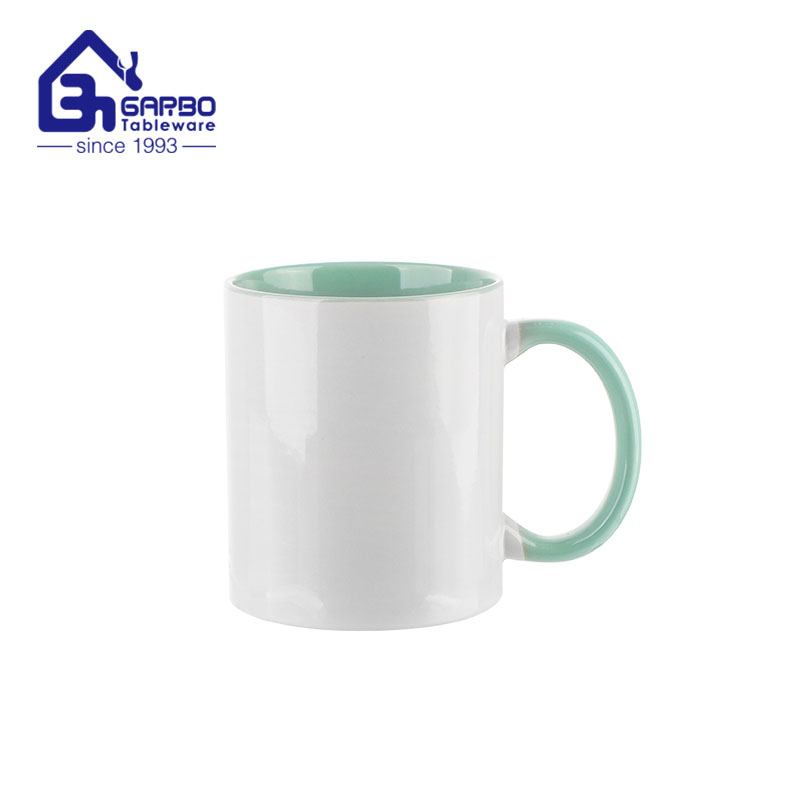
1. Ceramic Mug
The most common and classic model that can be seen all over the world, whether the mug with decal printing or simply glazed. Many customers like to print local landmarks on these cups as souvenirs to sell to tourists. The body of a mug is usually cylindrical or slightly conical, with a wide, flat rim and a capacity that typically ranges from 300 to 500 milliliters. This generous design minimizes the need to refill it frequently, while the wide opening makes it easy to clean and stir. You can use it to enjoy hot drinks in the morning, such as hot water, coffee, milk, and floral teas.
2. Latte Cup
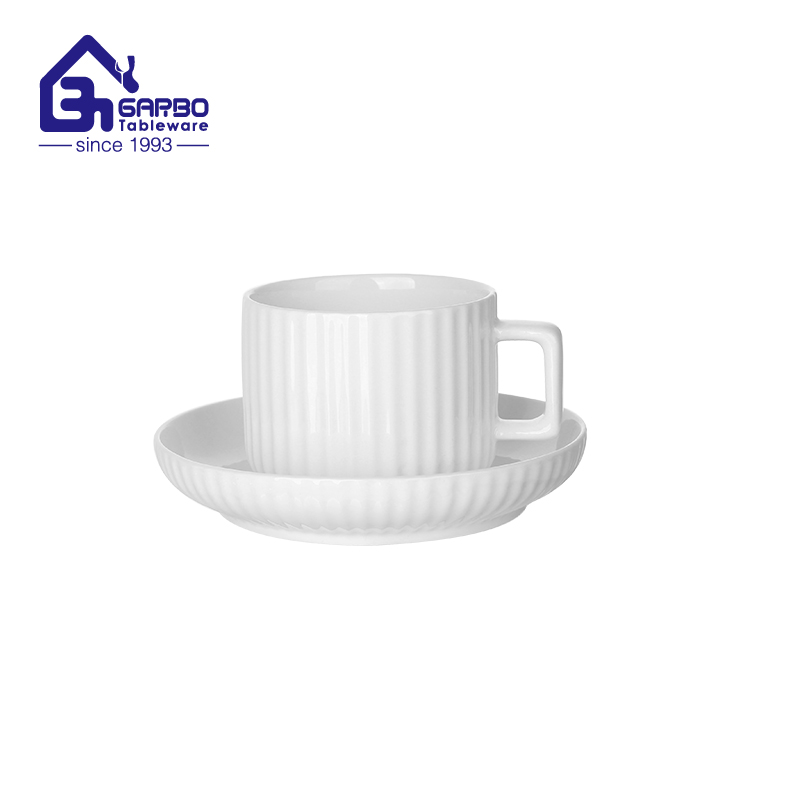
The latte cup features a short, plump, and rounded body with a wide rim and thin walls, holding between 200–350ml. Its wide mouth is ideal for latte art, while its moderate heat dissipation maintains a pleasant drinking temperature. This design highlights the rich interplay of coffee and milk foam, making it perfect for lattes, cappuccinos, mochas, and other specialty coffees before you start working. Whether savoring moments in a café or brewing your own morning coffee at home, the intricate latte art atop creamy foam paired with rich coffee adds a touch of ritual to everyday life.
3. Expresso Cup
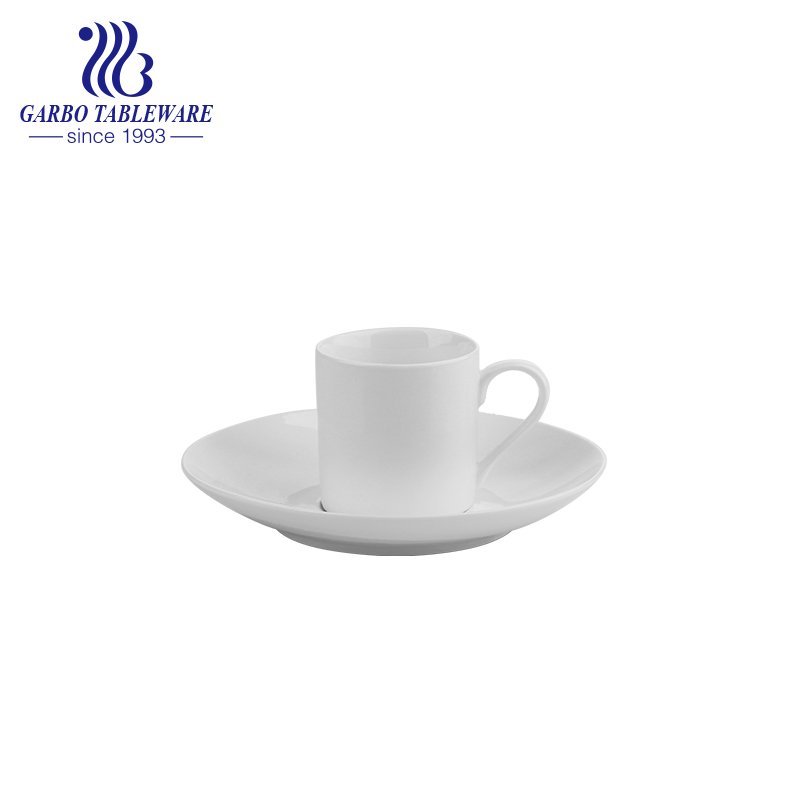
A standard single shot of espresso is only 25–30ml, and a double shot is just 50–60ml. Using a large cup makes it look particularly empty, which is neither aesthetically pleasing nor convenient for sipping. Moreover, espresso is highly sensitive to cooling; once it cools down, it becomes bitter, sour, and loses its flavor. Thick-walled small cups slow heat loss, allowing the coffee to be enjoyed at its optimal temperature. From a more professional perspective, the golden, velvety crema layer on the espresso's surface is its soul. A large cup causes this crema to spread and dissipate quickly, while a small cup holds it in place, ensuring every sip remains rich and smooth.
4. Water Cup / Juice Cup
Everyday water cups feature a simple, uncomplicated design, typically in straight-sided or open-top styles. They lack intricate details and usually don't have handles, with capacities generally ranging from 200 to 400 milliliters. Primarily used for holding water, they cool down quickly, feel comfortable to hold, and are easy to clean. They're suitable for drinking boiled water or juice when you enjoy the gathering parties with your friends or family.
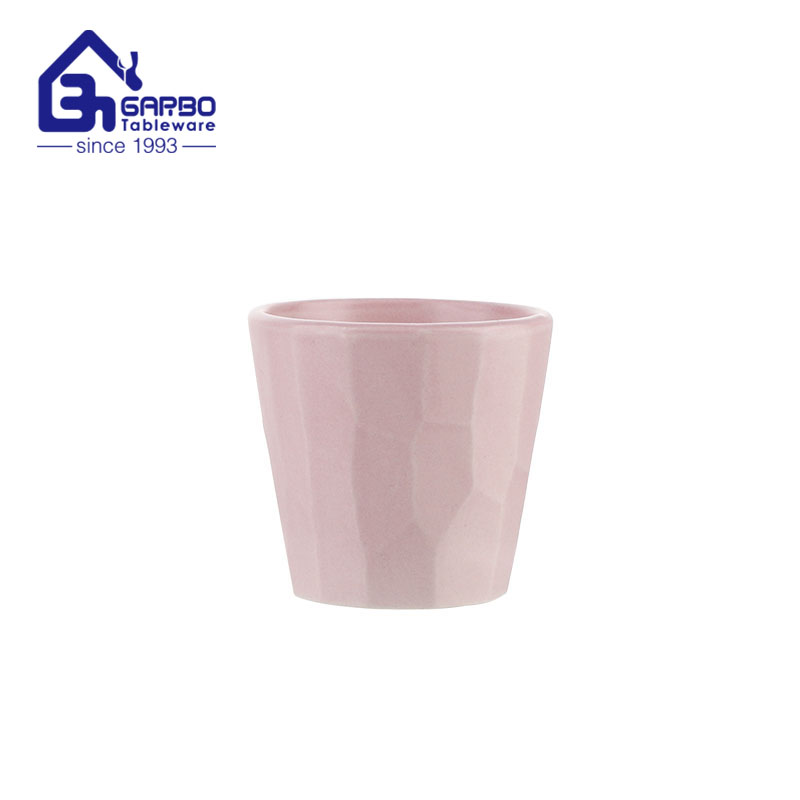
In reality, there's no such thing as an absolutely superior or inferior cup—it all comes down to what suits you best. From a professional perspective, selecting the right cup type based on your usual beverages and usage scenarios not only ensures ease and convenience but also enhances the overall experience of drinking water, coffee, or tea.



Garbo at 139th Canton Fair: 30+ Years of Glass Heritage + In-House Cutlery Factory

Garbo 139th Canton Fair : Full range of Glassware and kitchenware products, one-stop customizat...

Brilliant Tableware Illuminates Life: Garbo International Shines at the 2026 Shanghai Inter...

Garbo+ Stainless Steel Cutlery and Tableware Impress at the 138th Canton Fair

Garbo International boss leads sales team for global business trip