Language

Pulished on Dec. 10, 2025
Ceramic tableware is beloved for its warm texture and diverse shapes, but the sudden cracking sound often catches people off guard. Today, we will explore the three main
reasons for ceramic cracking and offer corresponding scientific solutions to help extend the lifespan of your tableware.
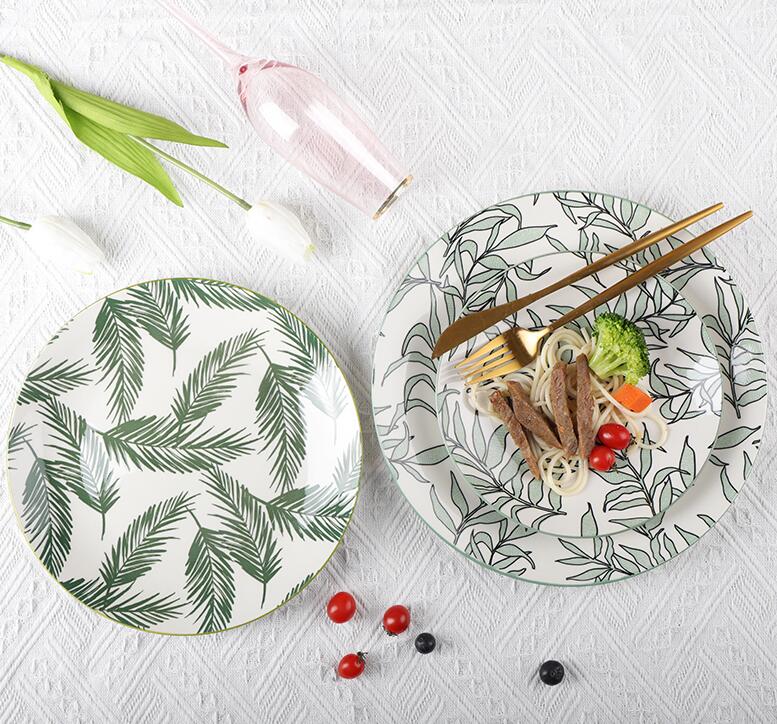
Ceramics are quite sensitive to temperature changes. In winter, it is common for hot soup bowls to suddenly come into contact with cold water sinks, which can easily cause
spider-web-like cracks in ceramic bowls or plates. This is actually a unique thermal expansion and contraction property of ceramic materials. When the temperature difference
exceeds 80℃, ceramics are at risk of cracking due to this physical characteristic. Therefore, we offer the following three suggestions:
1. Hot dishes should be allowed to cool down to room temperature before being placed in the refrigerator or rinsed with cold water. The correct approach is to wait until the
hot plates have cooled to a temperature close to that of the room before putting them in the fridge.
2. When heating ceramic plates wholesale from China in a microwave, avoid empty heating. Make sure there is food or liquid in the plate to act as a buffer. This can also help prevent cracking of the
ceramic tableware due to sudden temperature increase to a certain extent.
3. Before putting ceramic tableware in the oven for heating, make sure it has a "high-temperature resistant" label. If not, it indicates that the tableware is not suitable for oven
heating and should not be used in the oven.
Second, in daily life, to better maintain ceramic tableware, we should also pay attention to using the correct cleaning methods, as rough cleaning methods can also accelerate
the wear of the ceramic glaze surface and form microscopic cracks. Common misunderstandings include the following three aspects:
1. Rub stubborn stains vigorously with a steel wool ball.
2. Improper stacking of tableware can cause them to rub against and collide with each other.
3. Long-term use of the high-temperature mode of the dishwasher can also make ceramic tableware manufactured in Chinese factory more prone to cracking.
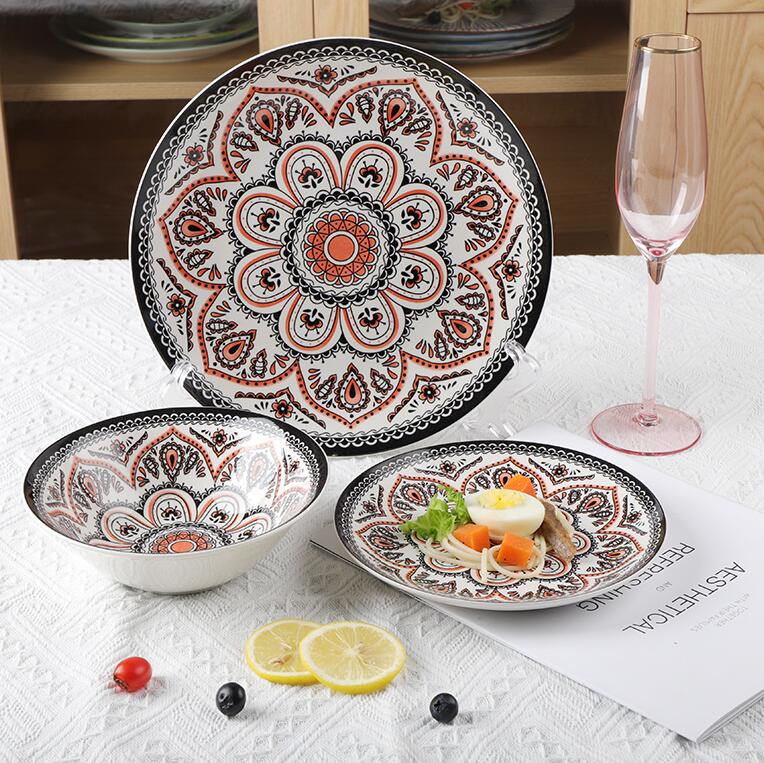
By using them scientifically and taking a little care in maintenance, the lifespan of your beloved ceramic tableware can be greatly extended. Here are three tips to keep in mind:
the temperature difference when using ceramic tableware should not exceed 80℃, the water temperature for cleaning ceramic tableware should be controlled at 40℃, and
check monthly to ensure they are stored properly. From today on, let's treat these table art pieces with the right way, making every meal a beautiful ritual.


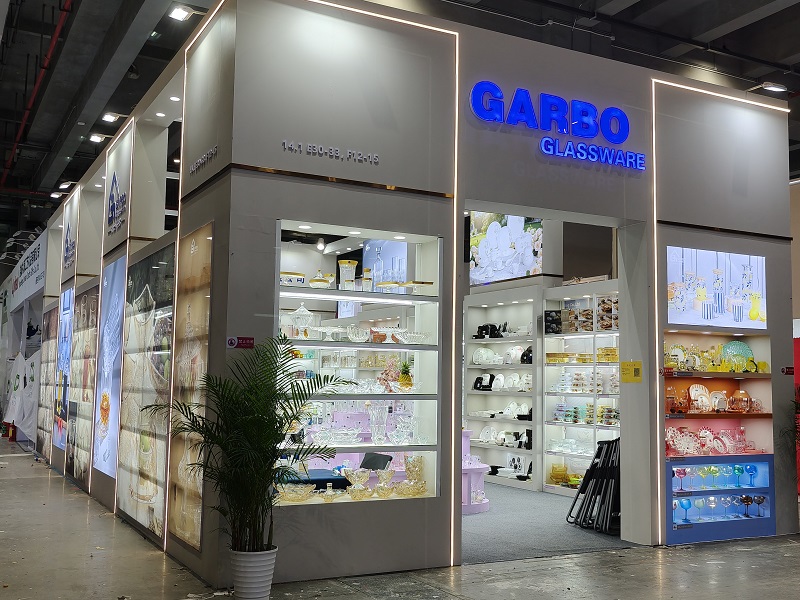
Garbo at 139th Canton Fair: 30+ Years of Glass Heritage + In-House Cutlery Factory

Garbo 139th Canton Fair : Full range of Glassware and kitchenware products, one-stop customizat...

Brilliant Tableware Illuminates Life: Garbo International Shines at the 2026 Shanghai Inter...

Garbo+ Stainless Steel Cutlery and Tableware Impress at the 138th Canton Fair

Garbo International boss leads sales team for global business trip