Language

Pulished on Dec. 08, 2025
In ceramic wholesale procurement, dealers often fall into the traps of "paying high prices for inferior products" and "looking good but not durable." As a source supplier with many years of experience in the industry, I'd like to share three tips that combine professional standards and data to help you secure high-quality goods at low prices and control the cost-effectiveness of your procurement from the source.
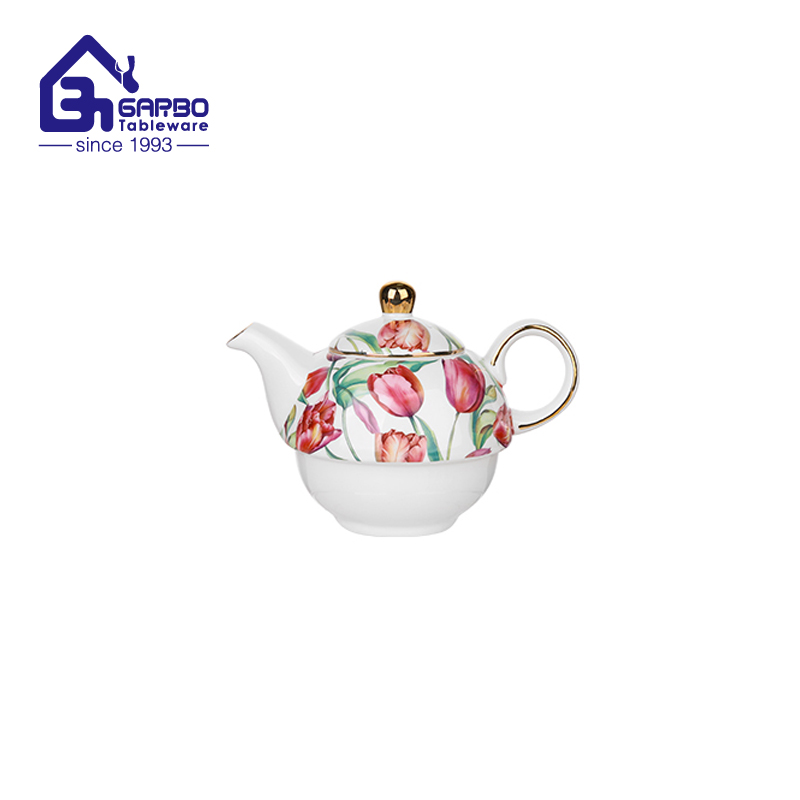
The degree of sintering of the green body directly determines the service life of ceramics. Tapping the ceramic and listening to the sound is the most intuitive way to judge this, which is based on the principle of resonance.
Hold the ceramic by the edge and tap the wall with your knuckles: High-quality ceramic (sintering degree ≥ 95%) will produce a clear and resonant sound, with a body porosity of less than 3%, and is resistant to impact and stains; low-quality ceramic (sintering degree ≤ 85%) will produce a dull and short sound, and has a loose internal structure.
According to data from the China Ceramic Industry Association, the breakage rate of ceramics with sintering degree meeting the standard is only 2.1%, far lower than the 12.7% of inferior products, and their service life can reach more than 5 years, which is 2-3 times that of inferior products.
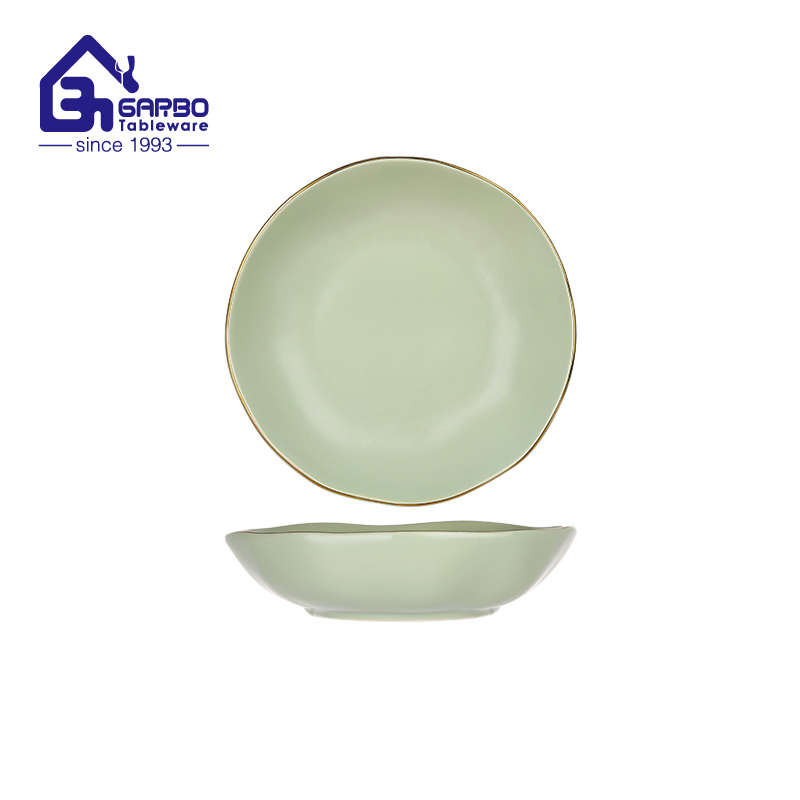
While the flatness of ceramic tiles may seem like an aesthetic issue, it actually impacts the user experience and customer reputation. Deformed bowls and plates are unstable when stacked and leak when filled with soup, easily leading to returns.
Using a flat glass tabletop as a reference, press the ceramic plate upside down: high-quality ceramic plate are seamless and do not wobble, with a plate surface deviation of ≤0.5mm and a wall thickness difference of ≤0.3mm; if pressing causes the edges to curl up, it is a substandard product.
Data shows that the return rate for deformed ceramic products is as high as 18%, far exceeding the industry average of 4.5%. While the wholesale price of compliant products is only 8%-10% higher than that of deformed products, it saves a significant amount on after-sales costs.
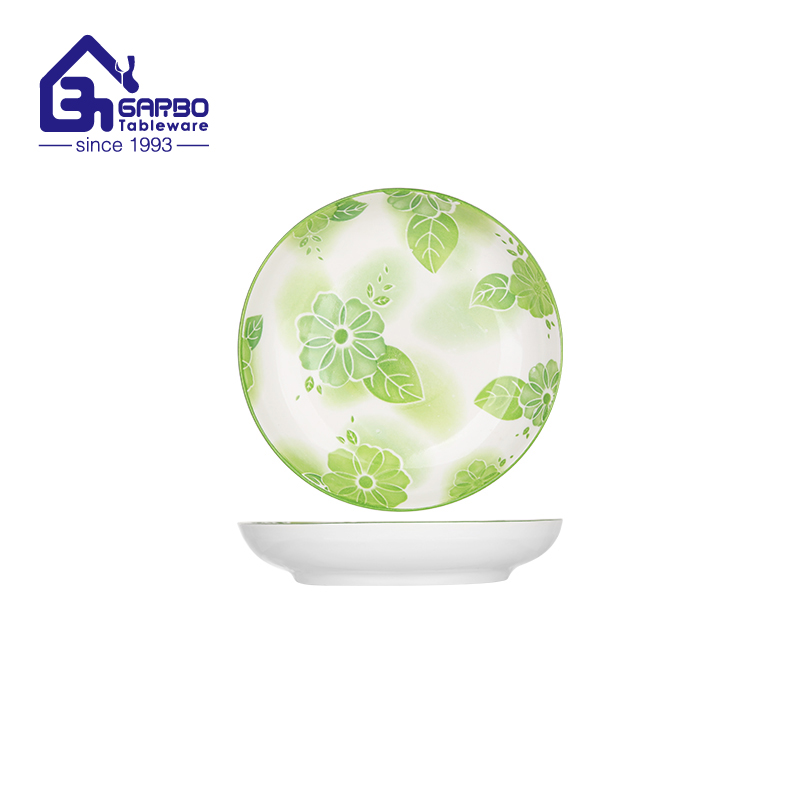
Many buyers are easily misled by the gimmick of "low-priced best-selling products" and unwittingly end up buying counterfeit goods at inflated prices. In fact, you can quickly distinguish them by looking at the packaging details, without having to go through complicated procedures to check them.
Ceramic Products from original factories usually have clear markings on their packaging, including the specific production address, production date, and batch number. Some may also include a simple quality inspection certificate. In contrast, the packaging of private label products often only highlights the brand logo, with unclear production information.
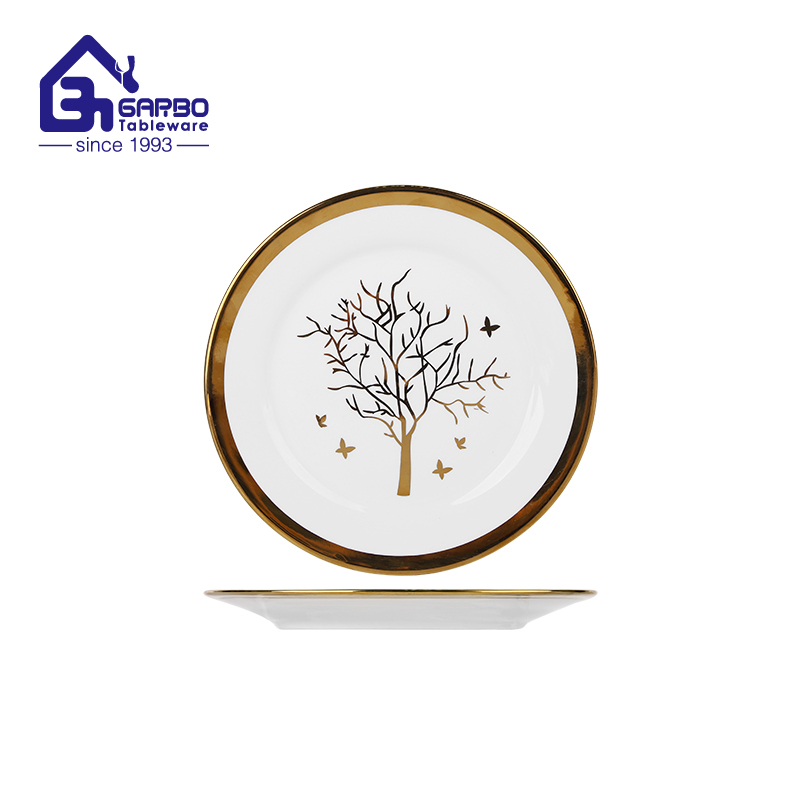
Remember these 3 tips: listen to the sound to determine the sintering degree, measure the flatness to check for deformation, and check the packaging to identify the source of the goods, and you can easily avoid purchasing pitfalls. As a high-quality ceramic product supplier, our products support inspection and customization. We welcome all buyers to discuss cooperation!


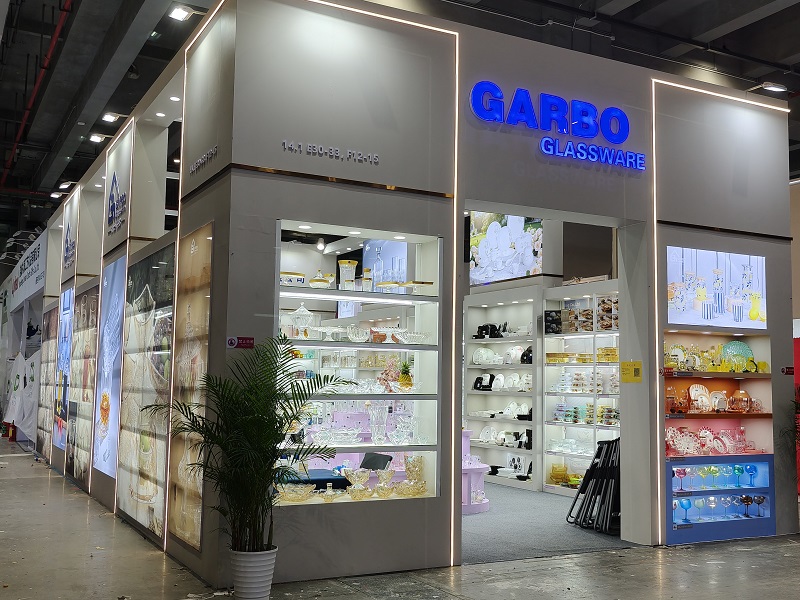
Garbo at 139th Canton Fair: 30+ Years of Glass Heritage + In-House Cutlery Factory

Garbo 139th Canton Fair : Full range of Glassware and kitchenware products, one-stop customizat...
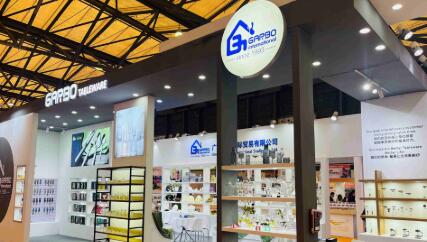
Brilliant Tableware Illuminates Life: Garbo International Shines at the 2026 Shanghai Inter...
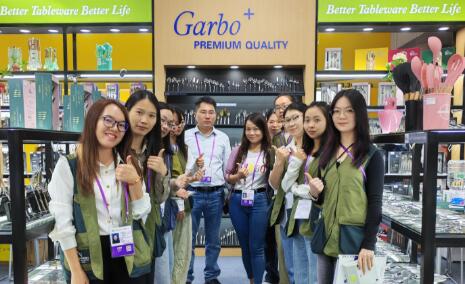
Garbo+ Stainless Steel Cutlery and Tableware Impress at the 138th Canton Fair

Garbo International boss leads sales team for global business trip