Language

Pulished on Mar. 06, 2026
In the global home design industry, Nordic brands have consistently led trends with their minimalist, practical, and sustainable aesthetics, with ceramic products holding an irreplaceable core position in their product portfolio. From tableware to decorative items, why has ceramic become the preferred material for Nordic home brands? This article will delve into the underlying logic of this phenomenon from three dimensions: user pain points, product standards, and procurement strategies. It will reveal how ceramic aligns with Nordic design philosophy and helps brands establish a differentiated competitive advantage in the global market.
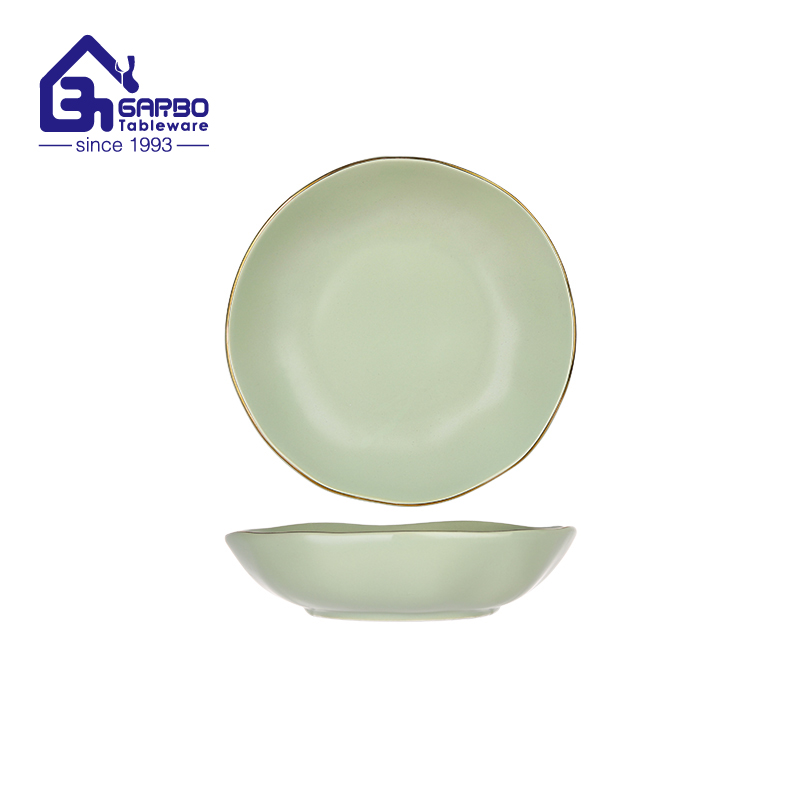
Nordic consumers' core demands for home furnishings are durability, ease of maintenance, and suitability for everyday life, and ceramics can effectively solve these practical problems:
Durability and Safety: Ceramic tableware can withstand frequent use in microwave ovens, ovens, and dishwashers. It is not easily deformed, aged, or releases harmful substances. Compared to plastic tableware, it is more heat-resistant, and compared to glass, it is more impact-resistant, reducing the cost and hassle of frequent replacements.
Easy to Clean and Low-Maintenance: The dense and smooth surface of ceramic tableware makes it difficult for oil and food residue to adhere. It can be cleaned with a simple rinse, requiring no special care, making it suitable for the fast-paced modern lifestyle.
Nordic home furnishing brands build trust in the market by establishing clear product standards that quantify and verify the advantages of ceramics:
Safety and Compliance Standards: Strict adherence to EU food contact material regulations (such as EC 1935/2004) ensures that ceramics are free of lead, cadmium, and other harmful substances, meeting food safety requirements. Certifications such as LFGB further enhance market access and consumer trust in Europe.
Performance and Durability Standards: Clearly defined indicators for thermal shock resistance, impact resistance, and water absorption. For example, ceramics are required to withstand temperature differences from -20°C to 120°C, ensuring they are less prone to cracking under extreme conditions such as freezing and heating, reducing after-sales disputes.
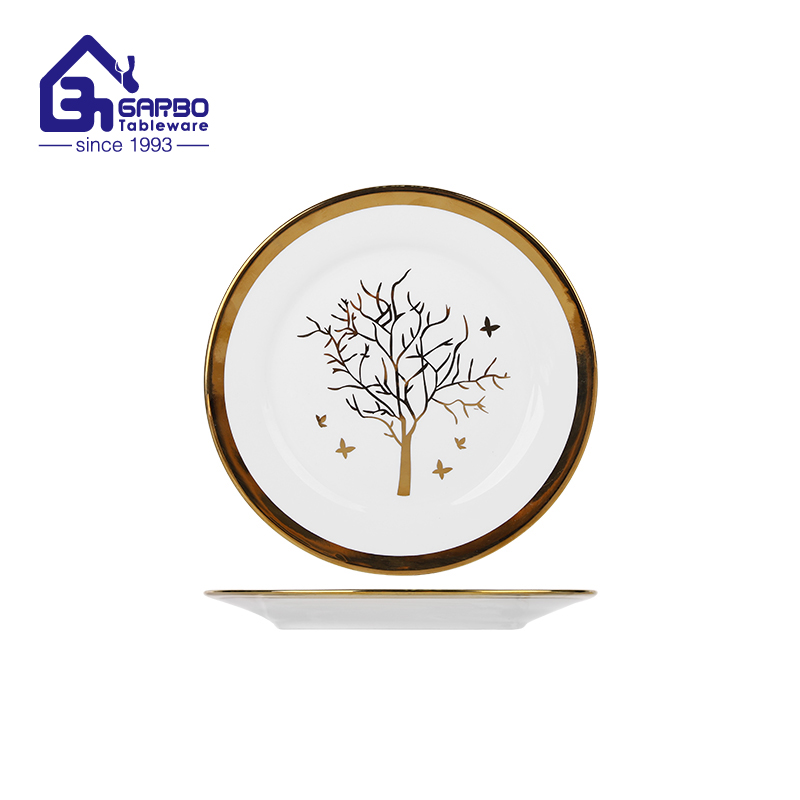
Nordic brands prioritize cost control, stable quality, and manageable risk in their ceramic sourcing, implementing meticulous supply chain management:
Regarding production location, mass-market products are sourced from established ceramic production regions like China, leveraging economies of scale to control costs; high-end products are produced in collaboration with European and Nordic artisan workshops, creating differentiation and reducing reliance on a single production region.
Brands maintain long-term partnerships with core suppliers, achieving end-to-end quality control: from rigorous heavy metal control in raw material testing to strict control of key indicators such as firing, glaze, and water absorption during production, and standardized packaging and logistics to minimize transportation damage.
Simultaneously, sustainable sourcing is promoted, prioritizing BSCI and Sedex-certified factories to drive environmentally friendly ceramic product and low-carbon processes, meeting EU compliance requirements in advance and enhancing product competitiveness.
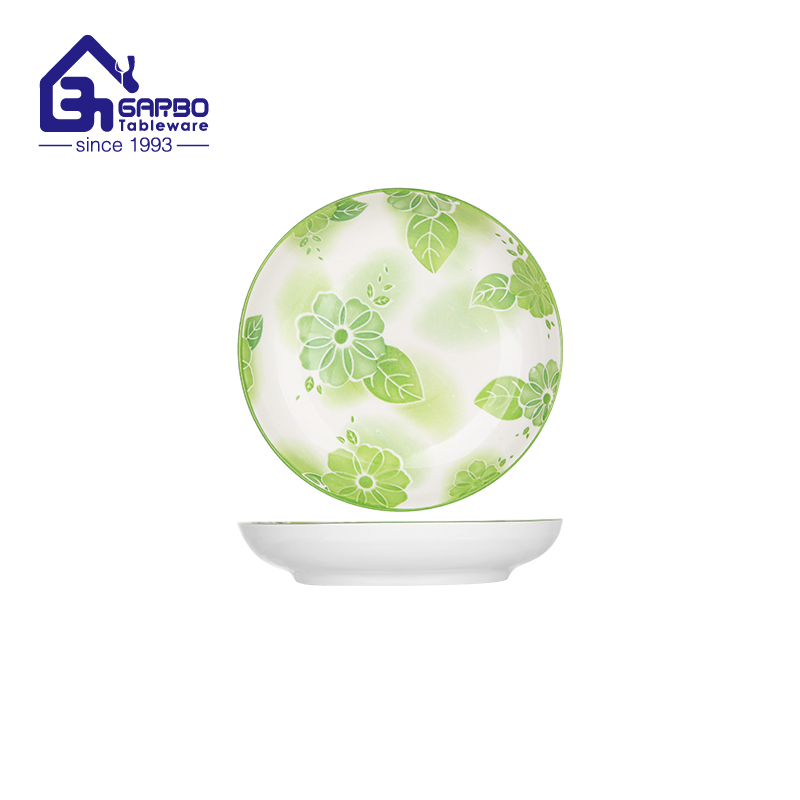
Nordic home furnishing brands favor ceramics, a rational choice based on practicality, reliability, and cost-effectiveness. Ceramic meets the needs of durability and ease of maintenance, high standards build trust, and meticulous procurement balances cost and quality, providing a practical approach that the industry can learn from.


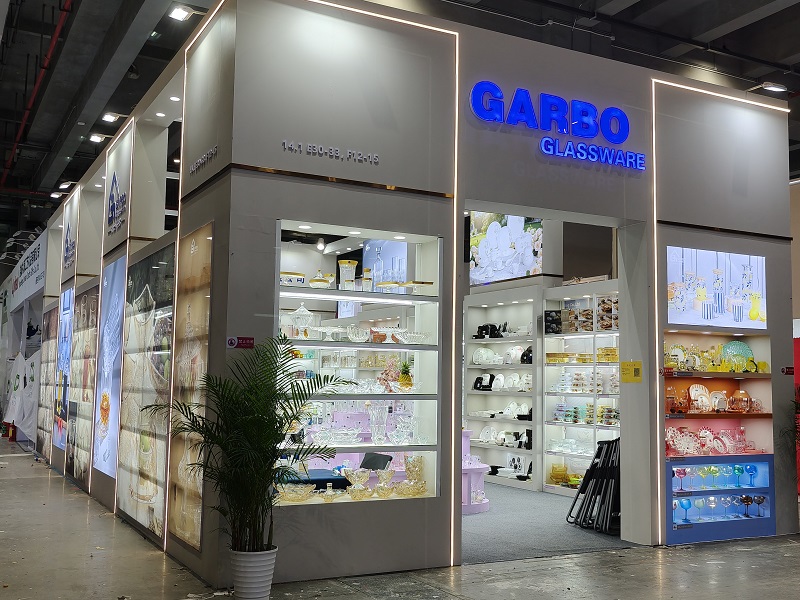
Garbo at 139th Canton Fair: 30+ Years of Glass Heritage + In-House Cutlery Factory
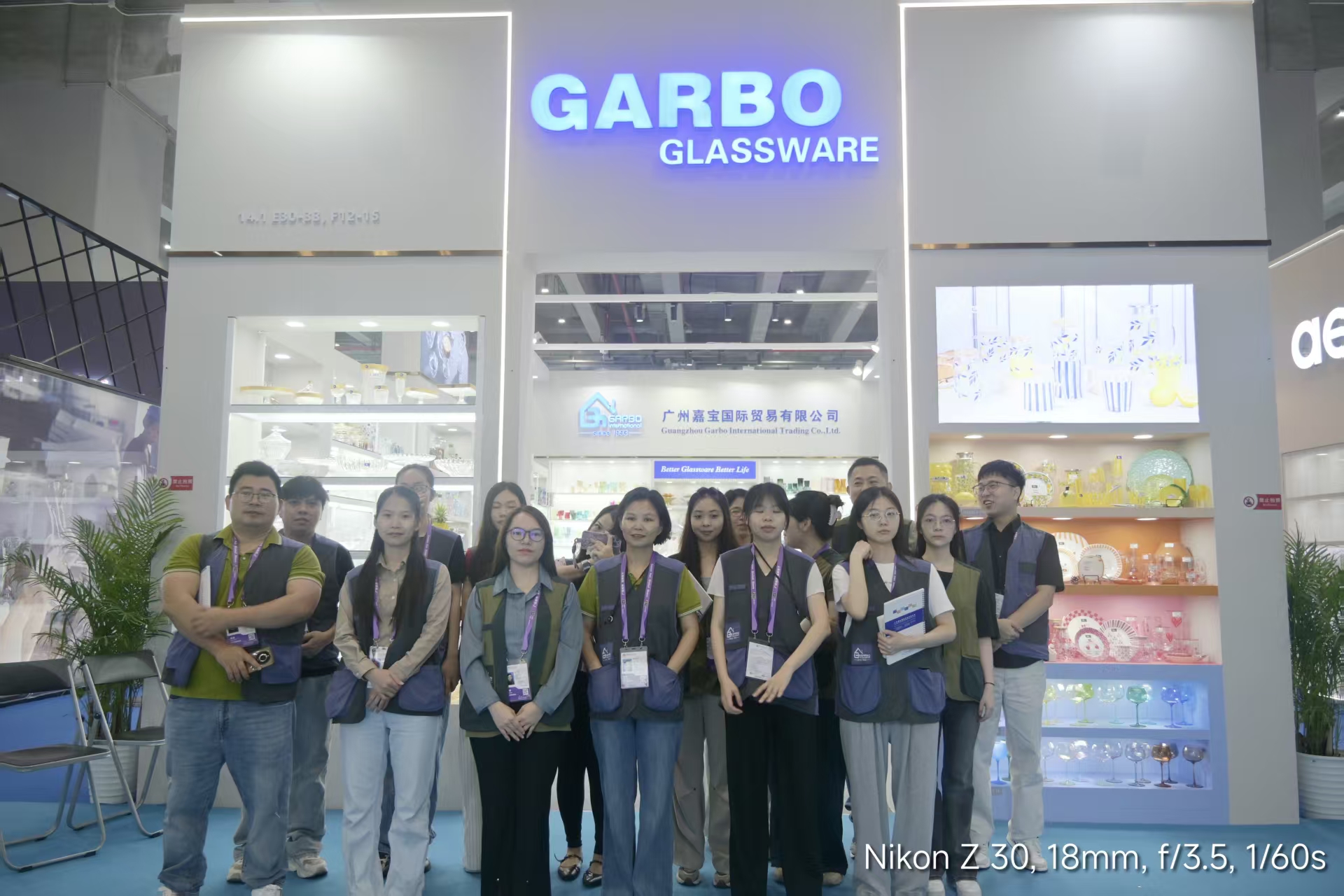
Garbo 139th Canton Fair : Full range of Glassware and kitchenware products, one-stop customizat...
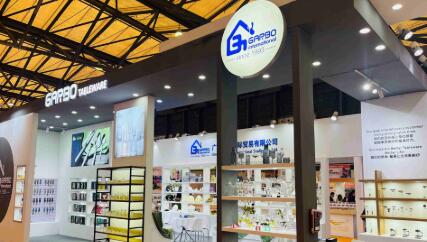
Brilliant Tableware Illuminates Life: Garbo International Shines at the 2026 Shanghai Inter...
Garbo+ Stainless Steel Cutlery and Tableware Impress at the 138th Canton Fair

Garbo International boss leads sales team for global business trip