Language

Pulished on Jul. 06, 2026
When sourcing ceramic tableware from different suppliers, many importers are surprised to find that products with a similar appearance can vary in price by 20% or even 30%. However, the difference is rarely just about profit margins. It is usually the result of variations in raw materials, manufacturing processes, quality standards, packaging, and supplier capabilities. Understanding these factors helps buyers make smarter sourcing decisions based on long-term value rather than the lowest quotation.
The cost of ceramic tableware begins with the quality of raw materials and the production process. High-grade porcelain clay improves whiteness, strength, and durability while reducing water absorption. In addition, firing at higher temperatures requires more energy but produces stronger products with better resistance to cracking and chipping.
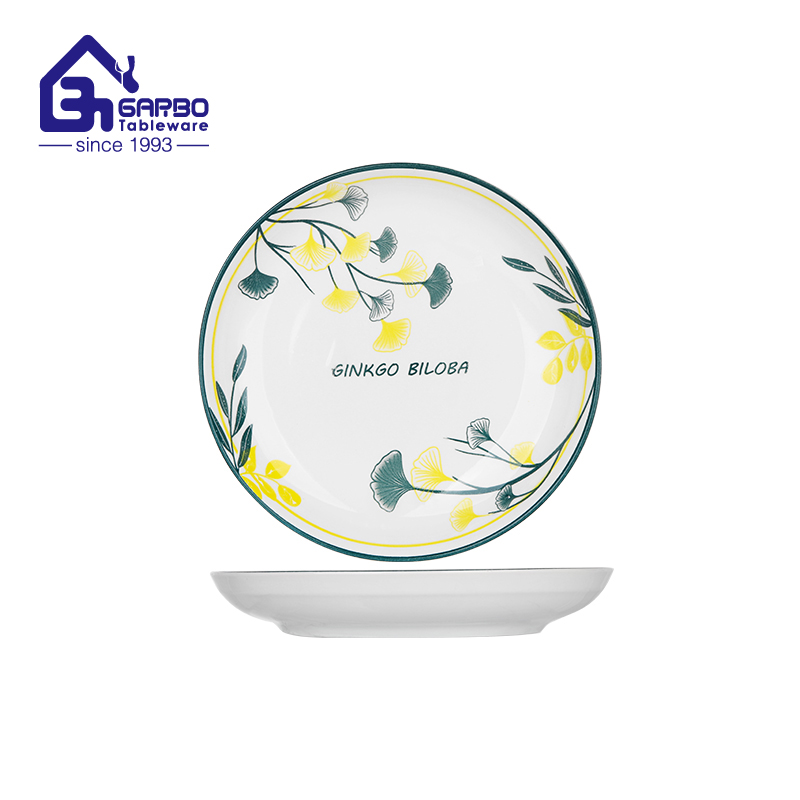
Take decal ceramic plates as an example. Although two plates may look almost identical, differences in decal quality, printing technology, pigments, and firing procedures can significantly affect production costs. Some lower-priced suppliers reduce costs by using lower-grade materials or simplifying production steps, which naturally leads to lower quotations.
For B2B buyers, the real cost is not only the purchase price but also the potential expense of returns, replacements, and damage to brand reputation. Reliable manufacturers invest in strict quality control procedures, including dimensional inspections, color consistency checks, appearance inspections, and packaging tests before shipment. These measures increase manufacturing costs but greatly reduce the risk of product defects.
In contrast, suppliers that compete only on price may reduce inspection procedures to cut costs, resulting in inconsistent quality between production batches. Issues such as color variation, edge defects, or deformation can lead to customer complaints and additional after-sales expenses. This is why a stable quality management system often provides greater value than simply choosing the lowest-priced supplier.
Packaging and supporting services are often overlooked when comparing quotations. Export packaging must be designed to withstand long-distance transportation and minimize breakage during shipping. In addition, services such as product testing reports, OEM customization, export documentation, and responsive customer support all contribute to the final price.
For importers purchasing household ceramic products, a supplier that offers stable lead times, efficient sampling, and reliable after-sales service can help reduce hidden procurement costs throughout the supply chain. These value-added services may increase the unit price slightly, but they often create significant long-term savings.
A 30% price difference does not necessarily mean that the higher-priced supplier is overpriced, nor does it mean that the lowest quotation offers the best value. Buyers should evaluate suppliers based on product quality, manufacturing processes, quality control systems, packaging standards, and service capabilities. In the long run, partnering with a reliable manufacturer that consistently delivers high-quality ceramic tableware is often a more cost-effective and sustainable choice than simply selecting the lowest price.


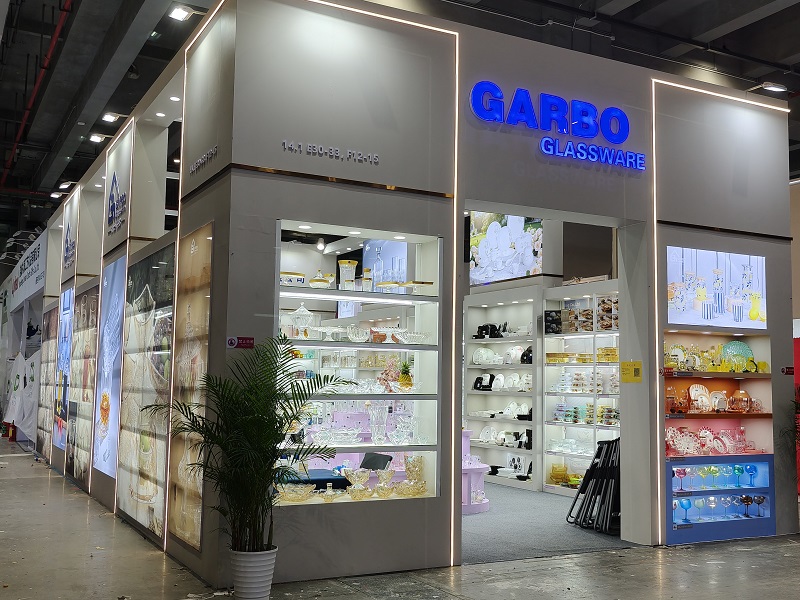
Garbo at 139th Canton Fair: 30+ Years of Glass Heritage + In-House Cutlery Factory

Garbo 139th Canton Fair : Full range of Glassware and kitchenware products, one-stop customizat...
Brilliant Tableware Illuminates Life: Garbo International Shines at the 2026 Shanghai Inter...
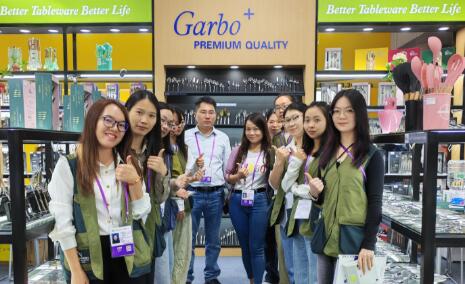
Garbo+ Stainless Steel Cutlery and Tableware Impress at the 138th Canton Fair

Garbo International boss leads sales team for global business trip