Language

Pulished on Dec. 05, 2025
What's the difference between the cutlery in a high-end shop window and the cutlery in a dollar store?
Both are named "stainless steel cutlery," but the price can jump from tens of dollars to thousands of dollars. The secret lies in the meticulous polishing process and the subtle differences in the material formula.
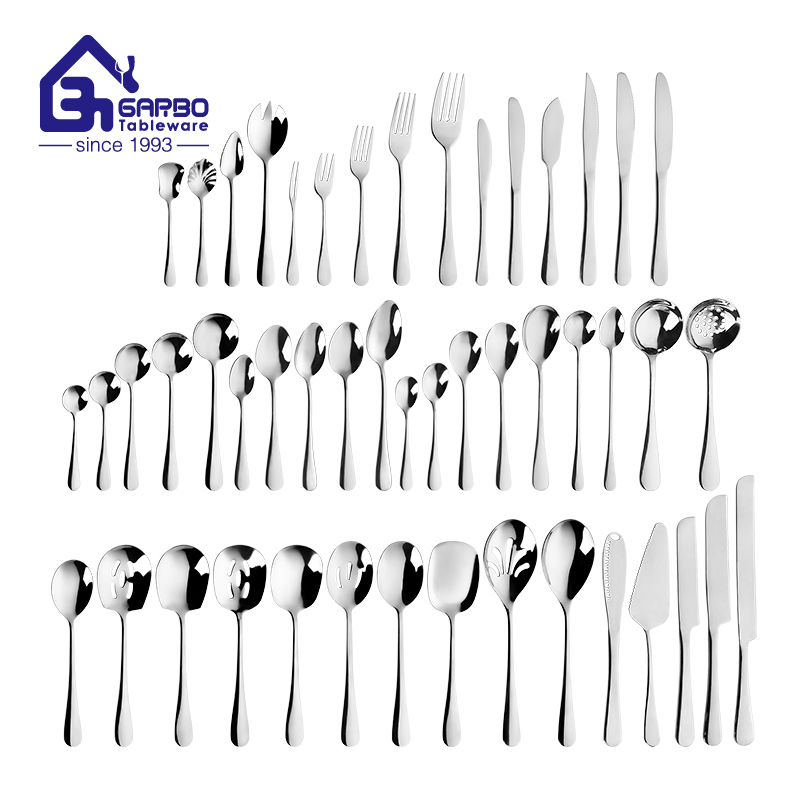
Ordinary cutlery may only undergo basic mechanical polishing, using a high-speed rotating cloth wheel and polishing paste to quickly remove surface imperfections and create a mirror-like finish.
This method is efficient and low-cost, but the shine is often superficial and lacks depth, and minor scratches may still remain. This includes tumble polishing and hand polish, instead of mirror polish.
The polishing of high-end cutlery often requires multiple processes (more than 30), from initial mechanical rough polishing to fine hand polishing to handle complex curves and joints, culminating in final electrochemical polishing.
The latter involves immersing the cutlery in a specific electrolyte, where an electric current preferentially dissolves microscopic protrusions on the metal surface, achieving a smooth finish at the molecular level.
This results in a uniform and highly fingerprint-resistant sheen, and more importantly, significantly improves the surface's corrosion resistance.
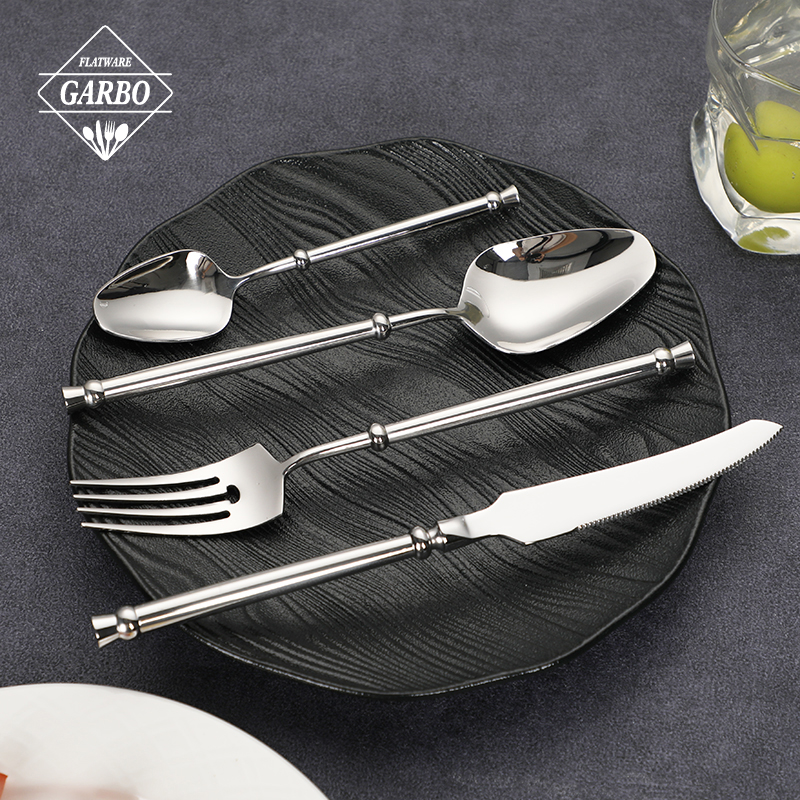
Tumble polished cutlery may begin to dull and develop a few specks of rust after a few months of use; while top-polished cutlery can remain as shiny as new even after years of daily use and dishwasher use.
Each additional process and each more refined polishing step means a significant increase in labor, time, and technical costs. Of course, its price is much lower than mirror polish cutlery.
Another important factor affecting price is the material of stainless steel. Its key element—chromium (usually above 10.5%)—forms a dense chromium oxide film on the surface to resist corrosion.
However, the most commonly used stainless steels in kitchenware, and those influencing the price gradient, are mainly 304 (corresponding to international standard 18/8: 18% chromium, 8% nickel)
and the higher-end 316 (18/10, with approximately 2% added molybdenum).
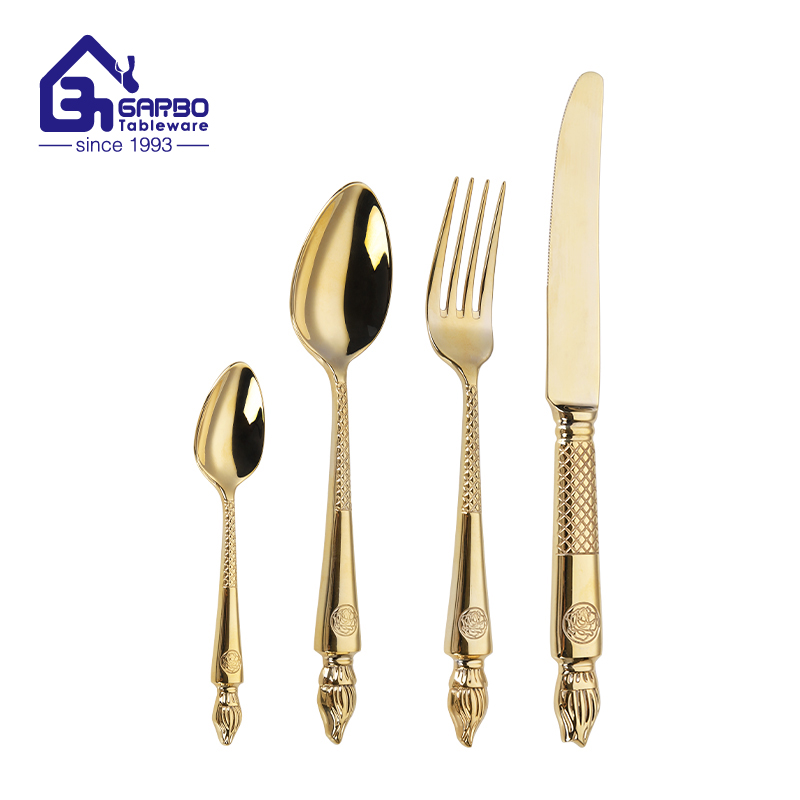
304 stainless steel is already a high-quality food-grade material with good corrosion resistance. However, due to the addition of molybdenum, the oxide film of 316 stainless steel is more stable and tough,
especially effective in resisting the corrosion of common kitchen chlorides such as salt and sauces. This is crucial for knives and forks that are in constant contact with complex seasonings and require frequent cleaning.
Ultimately, the exquisite combination of polishing and materials directly defines the product's grade and experience, thus influencing its price.
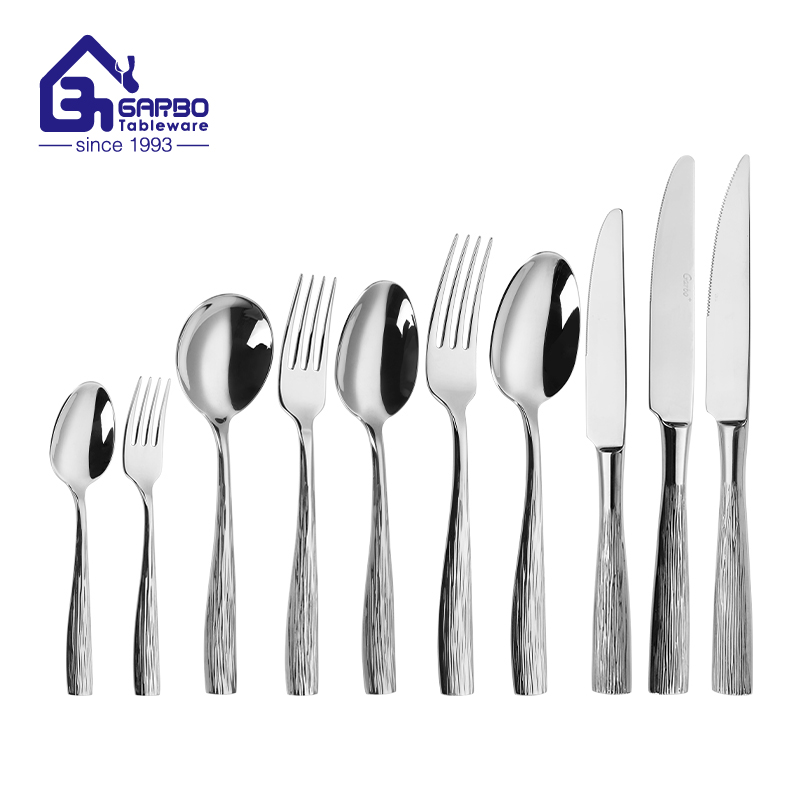
In high-end hotels or Michelin-starred restaurants, cutlery feels solid, has a balanced weight distribution, and rounded, burr-free edges, making it quiet and smooth to use.
This is due to the excellent processing provided by high-quality materials and the perfect tactile feel achieved through top-notch polishing.
Therefore, when purchasing cutlery, you're not just buying tableware, but also a lasting commitment to quality and a subtle yet genuine sense of ritual in your daily meals.
If you still have questions about price and materials, feel free to contact us. With decades of experience in the tableware industry, we're confident we can provide you with professional answers.



Garbo at 139th Canton Fair: 30+ Years of Glass Heritage + In-House Cutlery Factory

Garbo 139th Canton Fair : Full range of Glassware and kitchenware products, one-stop customizat...

Brilliant Tableware Illuminates Life: Garbo International Shines at the 2026 Shanghai Inter...

Garbo+ Stainless Steel Cutlery and Tableware Impress at the 138th Canton Fair

Garbo International boss leads sales team for global business trip