Language

Pulished on Mar. 17, 2026
When you pick up your rice bowl every day, have you ever paid attention to the ceramic tableware in your hand? In ordinary bowls and plates actually hide many safety
details. Today, pls follow us to give the tableware at home a comprehensive "check-up" from the bottom of the body to the processional surface.
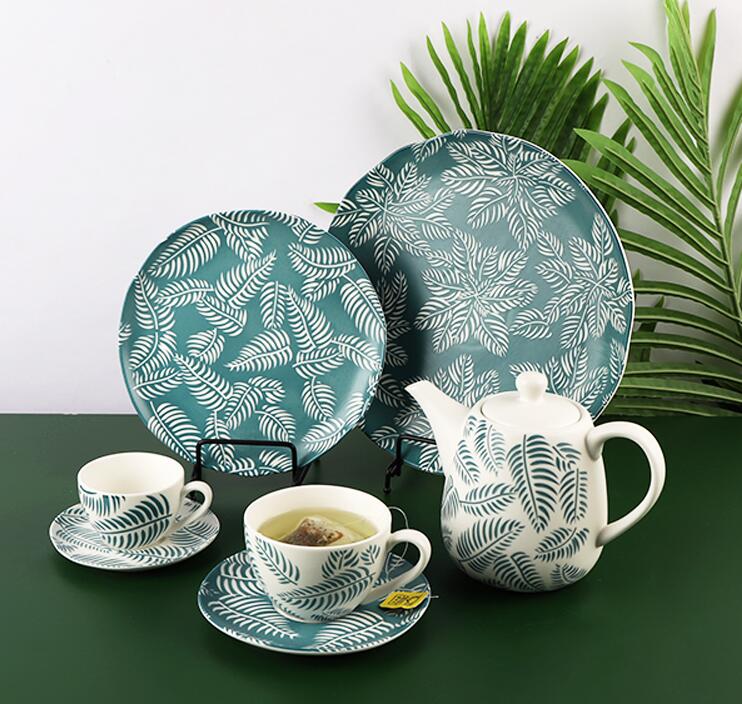
The glaze surface is the first line of defense for safety
The glaze layer is like a "protective shield" for tableware and directly affects its safety when using. A qualified glaze should be as smooth as a mirror, feeling fine and flat
when touched by your hand, without any sense of unevenness or graininess. If the glaze is dull, has fine cracks, or even leaves marks when scratched with a fingernail,
then pls be careful - such tableware is not only prone to harboring dirt and grime but also will release harmful substances over long-term usage.
Regarding the tableware with beautiful pattern, if the patterns felt raised, it might be made with over-glaze painting, where the pigments are applied on the surface of the
glaze. After long-term using with acidic or alkaline foods, it may cause the pigments to peel off. Thus it is recommended to give priority to ceramic tableware wholesale from
China with under-glaze or mid-glaze painting, where the patterns are enclosed beneath the glaze and feel completely smooth to the touch, it must be much more safer.
When purchasing, you can wipe the patterns with a wet tissue. If the tissue shows any color, it is best to give up on that item.
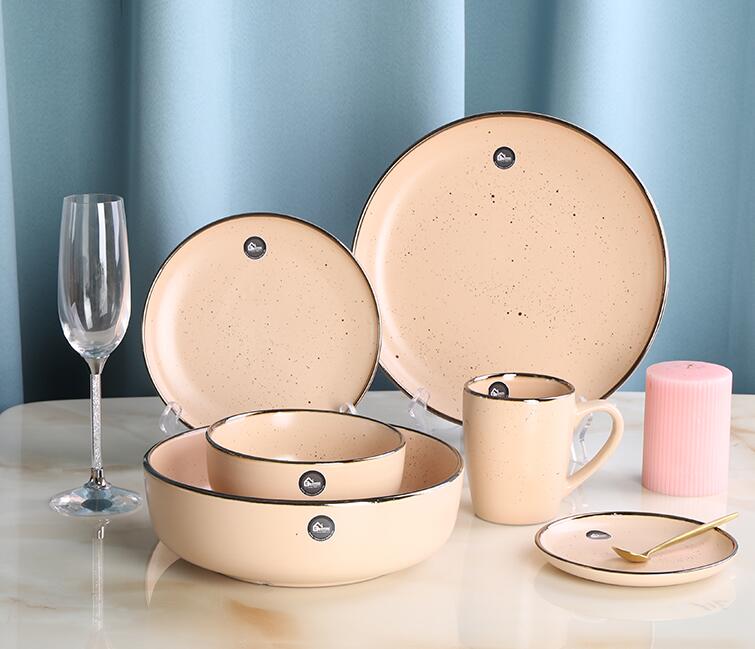
Check the bottom of ceramic items
Turnning over the ceramic items and check the bottom of it. Firstly, be attention that if it is standable on the table. If it shakes, that means it will be not only unconvenient
to use but also already with defect after a firing step. Secongly, tapping it with hand and listen carefully to the sound. Usually the ceramic item with good quality will cause
a ringing sound. If it sounds dull and hoarse, it means the material might be porous or have already hidden cracks inside.
Also pay attention to the labels and marks on the bottom. Products from regular manufacturers will clearly showed with a lable of "GB4806.4-2016". It represents food safety
national standard, which is the basic guarantee for the safety of tableware. If there are no labels at all or the writing is unclear, it is recommended not to purchase. Additionally,
do not overlook the rough edges at the bottom. Excessively sharp edges may scratch the table and are prone to dirt accumulation. It is best to choose those that have been
ground and have a smooth feel at the bottom.
The Truth Lies in the Details
Apart from the glaze and the bottom of the ceramic tableware manufactured from Chinese factory, some small details can also reflect the quality of tableware. Get close and smell it. Qualified ceramic tableware
should have no unpleasant smell at all. If you smell a pungent chemical odor, it must be that inferior materials were used in the productional procession. Soak it in warm water
for a few hours and see if the water becomes cloudy or if there is any color fading. This can directly test the stability of the tableware.
Old tableware at home should also be inspected regularly. If there are cracks or chipped areas, even if they are just tiny cracks, it is recommended to replace them in a timely
manner. Bacteria can easily breed in the cracks, and damaged tableware may release more harmful substances during use. Especially when used to hold hot food or heated in
a microwave oven, the safety risk of damaged tableware will increase significantly.
In fact, when choosing ceramic tableware, there's no need to blindly pursue high prices. As long as you master these simple inspection methods, you can avoid most of the
traps. Hurry home and check the cabinets. Give the tableware at home a "physical examination". After all, eating with peace of mind is the most important thing.



Garbo at 139th Canton Fair: 30+ Years of Glass Heritage + In-House Cutlery Factory

Garbo 139th Canton Fair : Full range of Glassware and kitchenware products, one-stop customizat...

Brilliant Tableware Illuminates Life: Garbo International Shines at the 2026 Shanghai Inter...

Garbo+ Stainless Steel Cutlery and Tableware Impress at the 138th Canton Fair

Garbo International boss leads sales team for global business trip