Language

Pulished on Jan. 24, 2026
When we wander through supermarkets, we're always drawn to exquisitely designed ceramic tableware—like plates adorned with ginkgo leaf patterns, vintage ceramic plates decorated with maple leaves, or classic imperial-style eight-inch bowls, etc. At first glance, you might fall instantly in love, imagining sizzling steak served on it, and take it home. But after that, you start to wonder: Does this exquisite-looking tableware actually meet food safety standards?
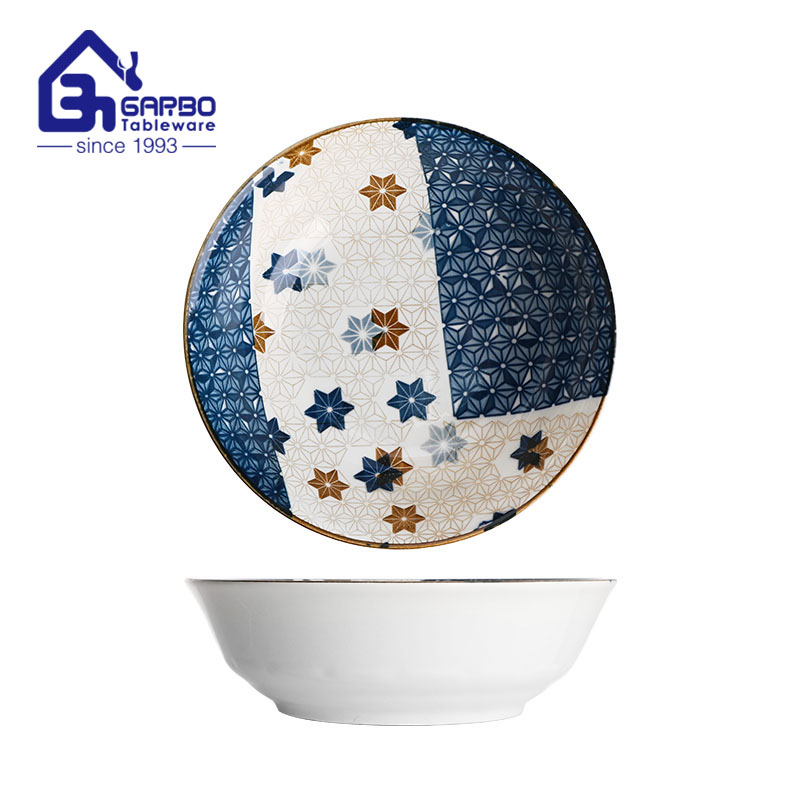
Of course, these concerns are not unfounded but stem from past incidents involving substandard tableware. At that time, some small workshops used inferior glazes containing heavy metals like lead and cadmium to cut costs, resulting in excessive heavy metal levels that caused food safety issues. In fact, the safety of ceramic tableware primarily depends on the glazing technique and firing temperature. The current mainstream safe techniques fall into two categories: underglaze decoration and innerglaze decoration. Underglaze decoration involves painting patterns on the bisque-fired body before covering it with a transparent glaze layer. Firing at temperatures above 1200°C completely seals the patterns beneath the glaze, preserving visual appeal while fundamentally eliminating safety hazards. Innerglaze decoration, on the other hand, involves mixing pigments directly into the glaze before firing. High temperatures fuse the pigments with the glaze layer, making heavy metal leaching extremely unlikely. Both techniques utilize high temperatures to stabilize and solidify heavy metals within the glaze, preventing migration even with prolonged use, ensuring safety. Conversely, low-quality products from small workshops often employ low-temperature firing at 800-900°C, resulting in highly unstable glazes that pose safety risks.
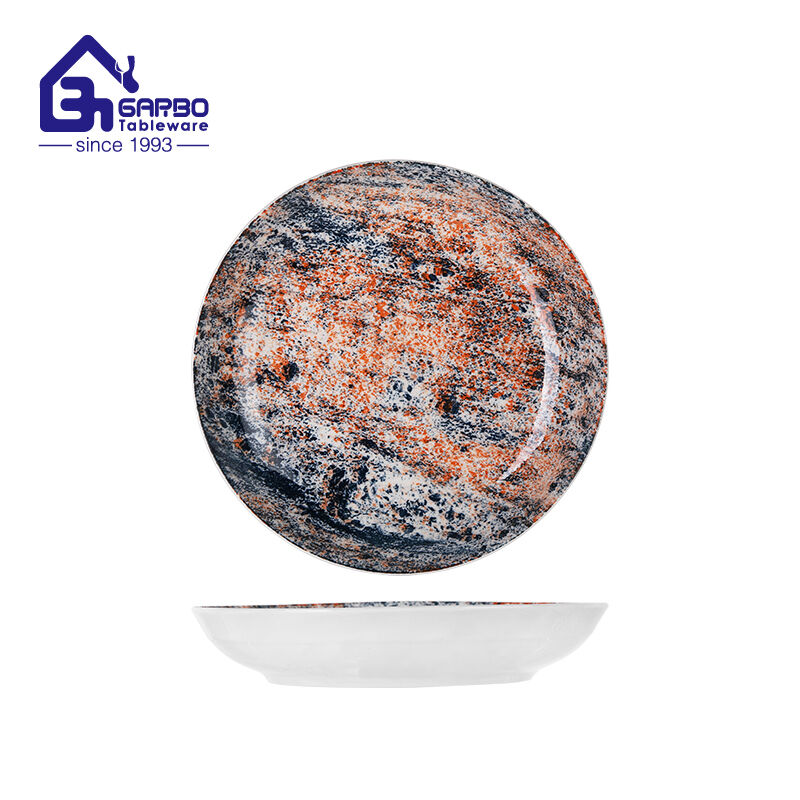
Therefore, it's not necessarily true that the prettier the tableware, the more toxic it is. As long as the production process complies with regulations, beautiful plates can be perfectly safe. Rather than missing out on lovely tableware due to prejudice, it's better to learn a few tricks to select ceramic tableware that is both safe and pleasing to the eye. First, choose reputable manufacturers with relevant certifications. Second, learn to distinguish between different crafting techniques by observing details closely and feeling the differences with your hands. Lastly, remember that you get what you pay for—avoid choosing excessively cheap products.



Garbo at 139th Canton Fair: 30+ Years of Glass Heritage + In-House Cutlery Factory

Garbo 139th Canton Fair : Full range of Glassware and kitchenware products, one-stop customizat...

Brilliant Tableware Illuminates Life: Garbo International Shines at the 2026 Shanghai Inter...

Garbo+ Stainless Steel Cutlery and Tableware Impress at the 138th Canton Fair

Garbo International boss leads sales team for global business trip