Language

Pulished on Jan. 06, 2026
As consumer habits continue to evolve, ceramic mugs are no longer seen as simple drinking vessels.
In 2026, they are becoming lifestyle products that reflect personal taste, emotional comfort, and
brand identity. For global buyers, especially those sourcing for retail, hospitality, or private label brands,
mug design is now about more than appearance—it’s about usability, story, and long-term market relevance.
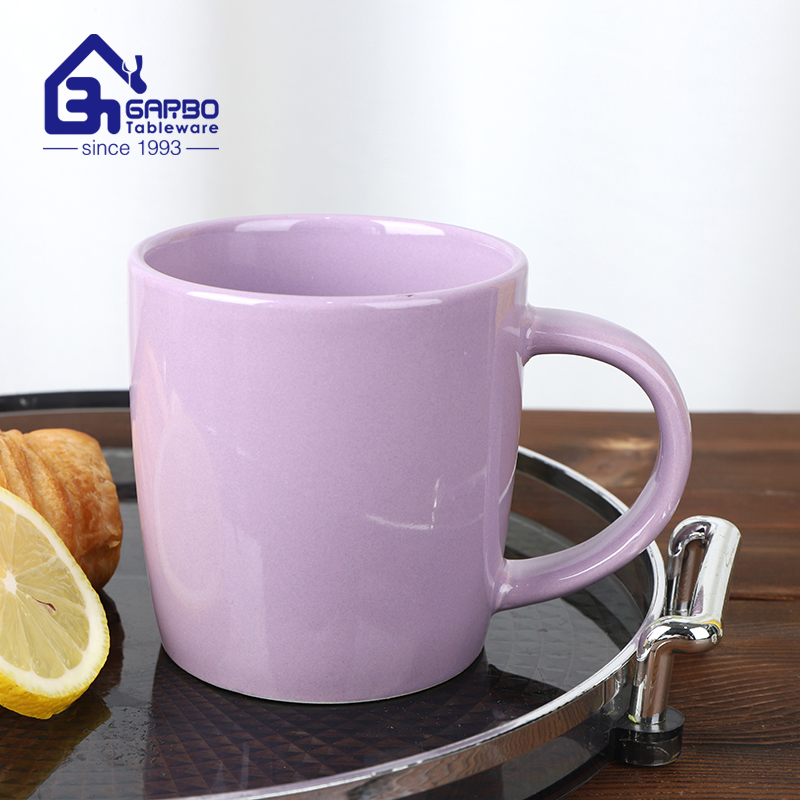
Garbo is always alert about the change of customer's taste and preference, and always ready to follow it
by continuous innovation of the shape and decoration of the mug.
Based on ongoing market feedback and Garbo’s ceramic product development experience, Garbo has summerized
below points to share.
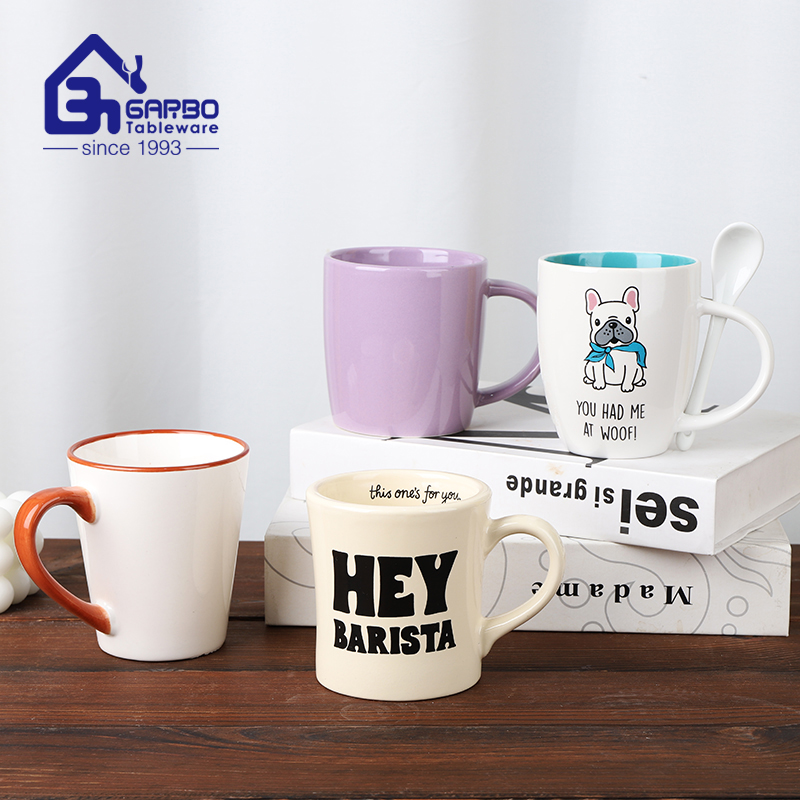
A Strong Return to Natural and Handmade Aesthetics
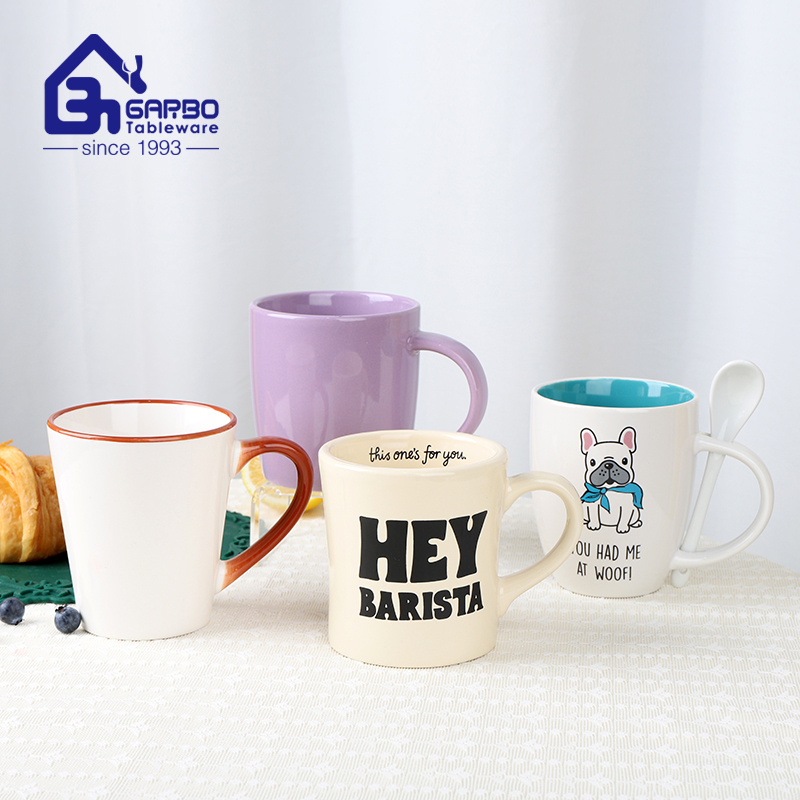
One of the most noticeable trends is the continued preference for natural, handmade-inspired designs.
Buyers are increasingly drawn to mugs that feel warm, organic, and slightly imperfect rather than overly
industrial or uniform.
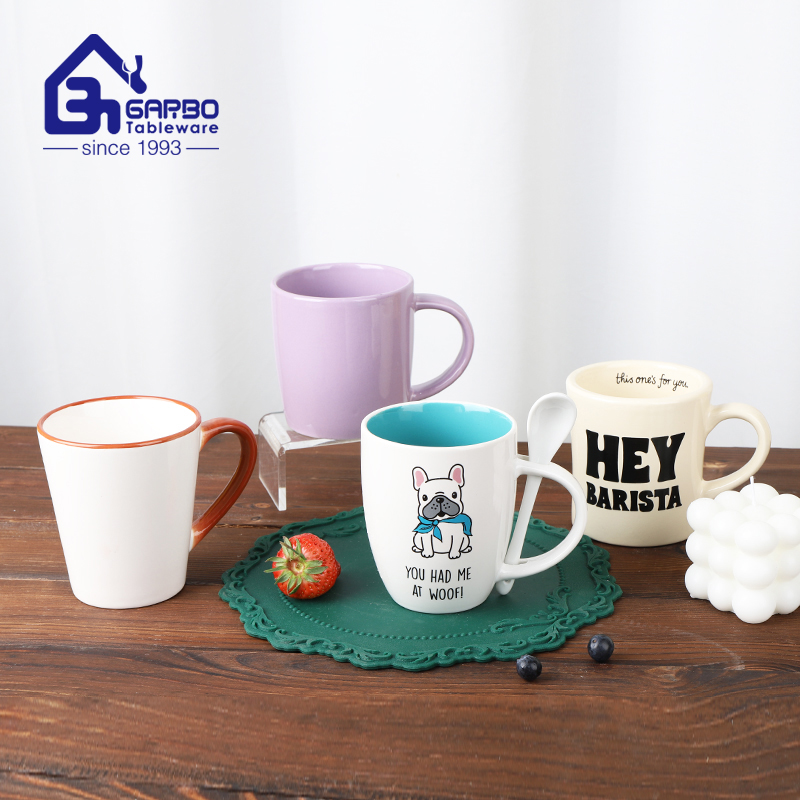
In practical terms, this means:
Soft curves instead of sharp, rigid shapes
Slight variations in glaze finish that suggest craftsmanship
Thicker walls that provide a sense of weight and durability
These features align well with Garbo’s ceramic mug collections that emphasize balanced proportions
and tactile surfaces. While the products are produced with stable industrial processes, the final look and
feel are intentionally closer to handmade ceramics, which appeals strongly to European and Middle Eastern
markets.
Tips: handmade items normally are with low MOQ and easy to follow the customer's taste for the bizarre/unusual
For example, handmade items normally MOQ 1000pcs while machine made need 5000-10000pcs. But for the cost,
handmade items maybe 2-3 times higher than machine made.
Low-Saturation Colors Take the Lead
Color trends for 2026 show a clear shift away from bright, highly saturated tones. Instead, buyers are
favoring calm, muted colors that feel timeless and easy to integrate into different environments.
Popular directions include:
Creamy whites and warm off-whites
Soft grey-blue and misty green tones
Light beige, sand, and neutral earth colors
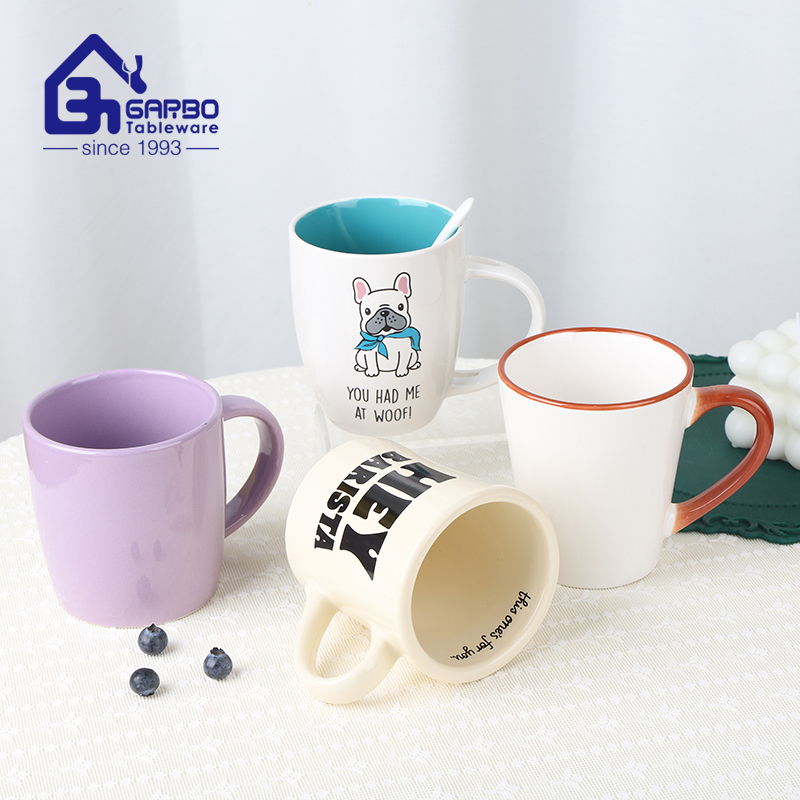
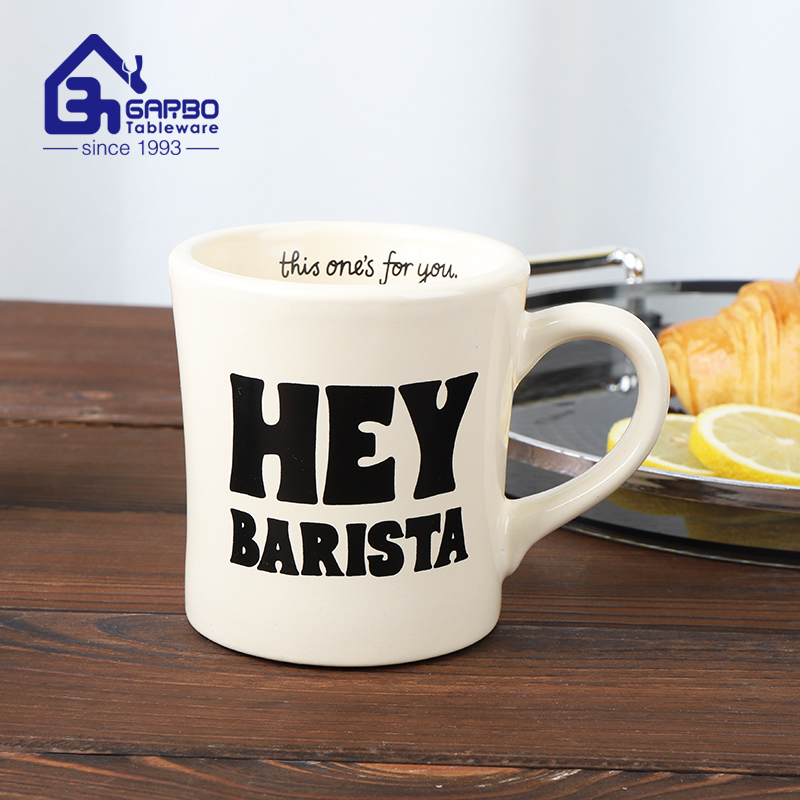
Rather than relying on complex patterns, many buyers prefer solid-color mugs with subtle glaze depth.
This allows retailers to build collections that remain relevant across multiple seasons. Garbo’s approach of
offering the same mug shape in multiple coordinated colors fits this demand well, especially for buyers looking
to create series-based product lines.
But colors preference also always change from time to time, from countries to countries, from nations to nations,
from culture to culture. So it will not have a uniform taste of colors, but always change.
Mug Handles Are Becoming a Design Focus
In earlier years, mug handles were treated mainly as functional elements. In 2026, they are becoming an important
part of the overall design language.
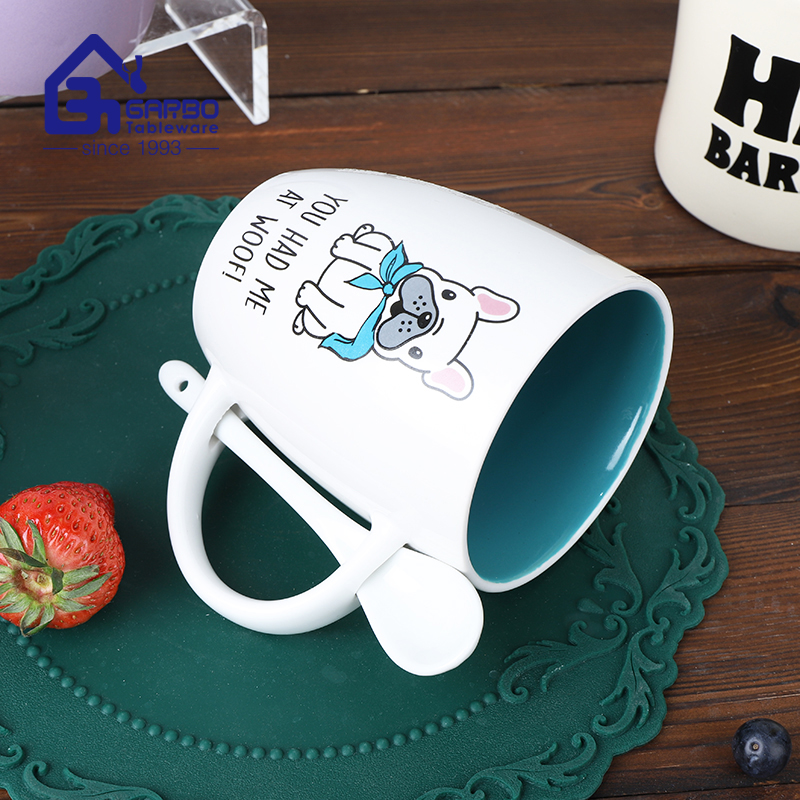
Current buyer preferences show growing interest in:
Wider handles that feel comfortable for different hand sizes
Rounded, continuous handle shapes that connect naturally to the cup body
Handles that visually balance the mug rather than appearing as an attachment
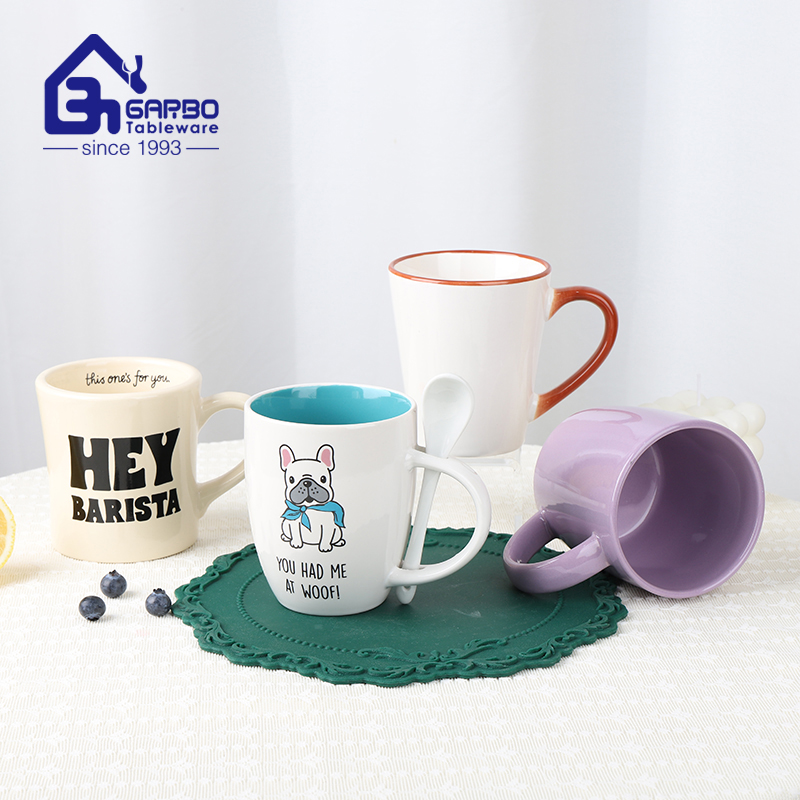
Now animal shape handles are becoming popular now too, for example, a cat trail as handle while the cat body drawing
in the mug, or with a elegent head server as handle while its body drawn on the mug wall.
From a user perspective, handle comfort directly affects daily use, especially for coffee and tea drinkers. From a visual
perspective, a well-designed handle can define the character of the mug. This is an area where thoughtful ceramic
design adds real value beyond basic functionality.
More Defined Capacity Segmentation
Instead of one “standard size,” buyers in 2026 are paying closer attention to capacity and usage scenarios. Ceramic
mugs are increasingly designed with specific occasions in mind.
Common capacity preferences include:
100-150ml for espresso
300–350ml for coffee and breakfast use
380–450ml for tea, office use, or casual drinks
Larger capacities for promotional or lifestyle-focused collections
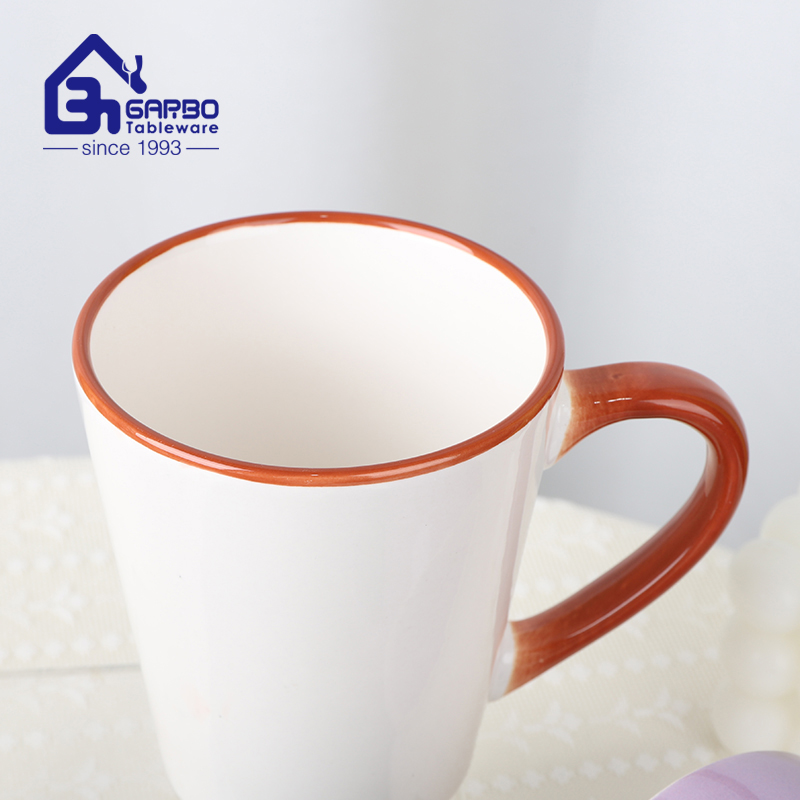
For B2B buyers, offering the same design across multiple capacities makes sourcing more flexible and improves
merchandising options. Garbo’s ceramic mug ranges are structured to support this kind of scalable assortment strategy.
Functionality and Daily Comfort Matter More Than Ever
Beyond visual trends, buyers are also placing greater emphasis on how mugs perform in everyday use. Smooth rim
finishing, balanced weight, and comfortable grip are becoming basic expectations rather than added features.
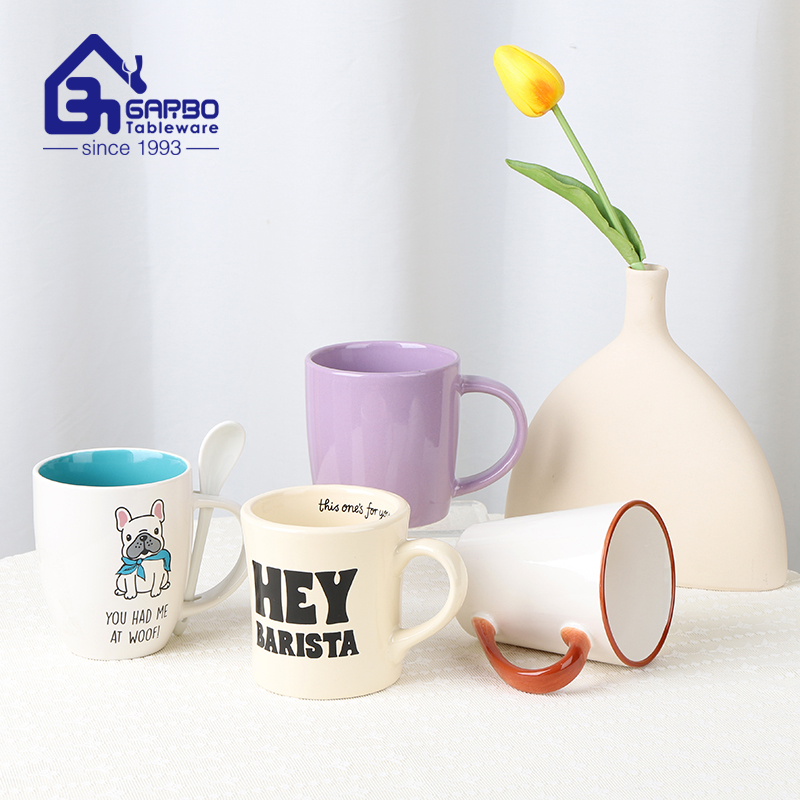
In the hospitality and retail sectors especially, mugs need to:
Feel stable on the table
Be easy to stack and store
Maintain appearance after repeated use
These considerations influence purchasing decisions just as much as design, particularly for long-term supply partnerships.
Looking Ahead
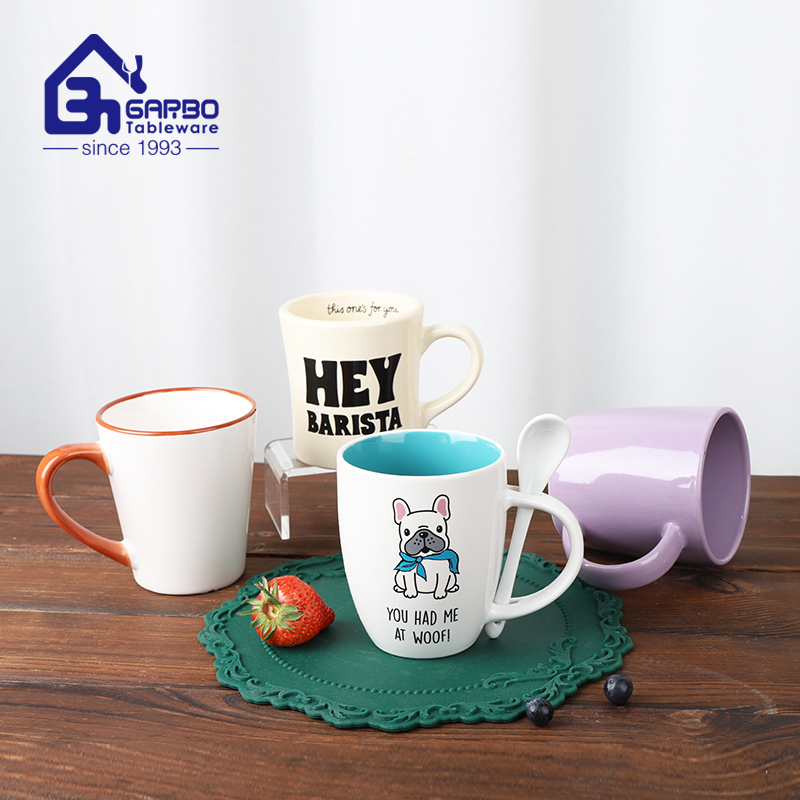
As 2026 approaches, ceramic mug design will continue to reflect broader lifestyle changes—slower living, emotional
comfort, and thoughtful simplicity. For brands and importers, choosing the right designs means working with suppliers
who understand both market trends and production realities.
Garbo’s ceramic mug collections are developed with these considerations in mind, combining design direction,
manufacturing stability, and export experience. For buyers looking to build long-term product lines rather than short-term
items, aligning with these trends will be increasingly important.


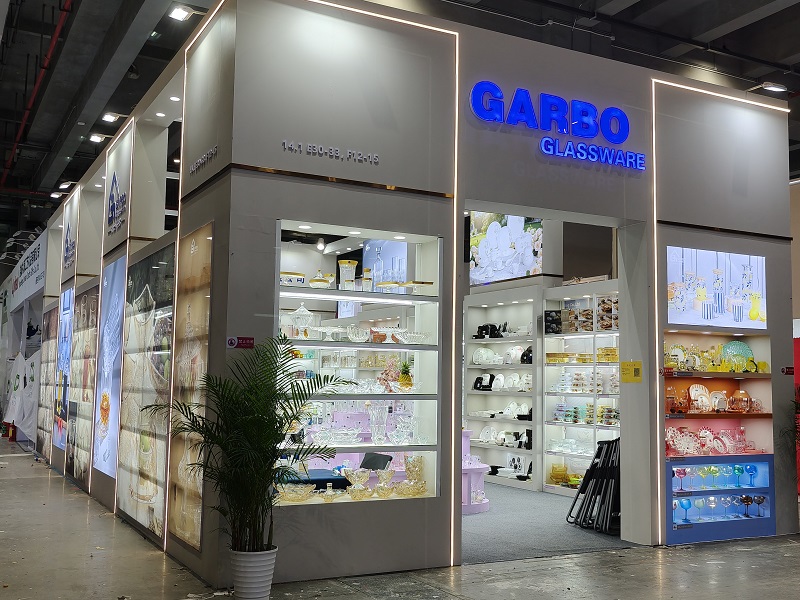
Garbo at 139th Canton Fair: 30+ Years of Glass Heritage + In-House Cutlery Factory
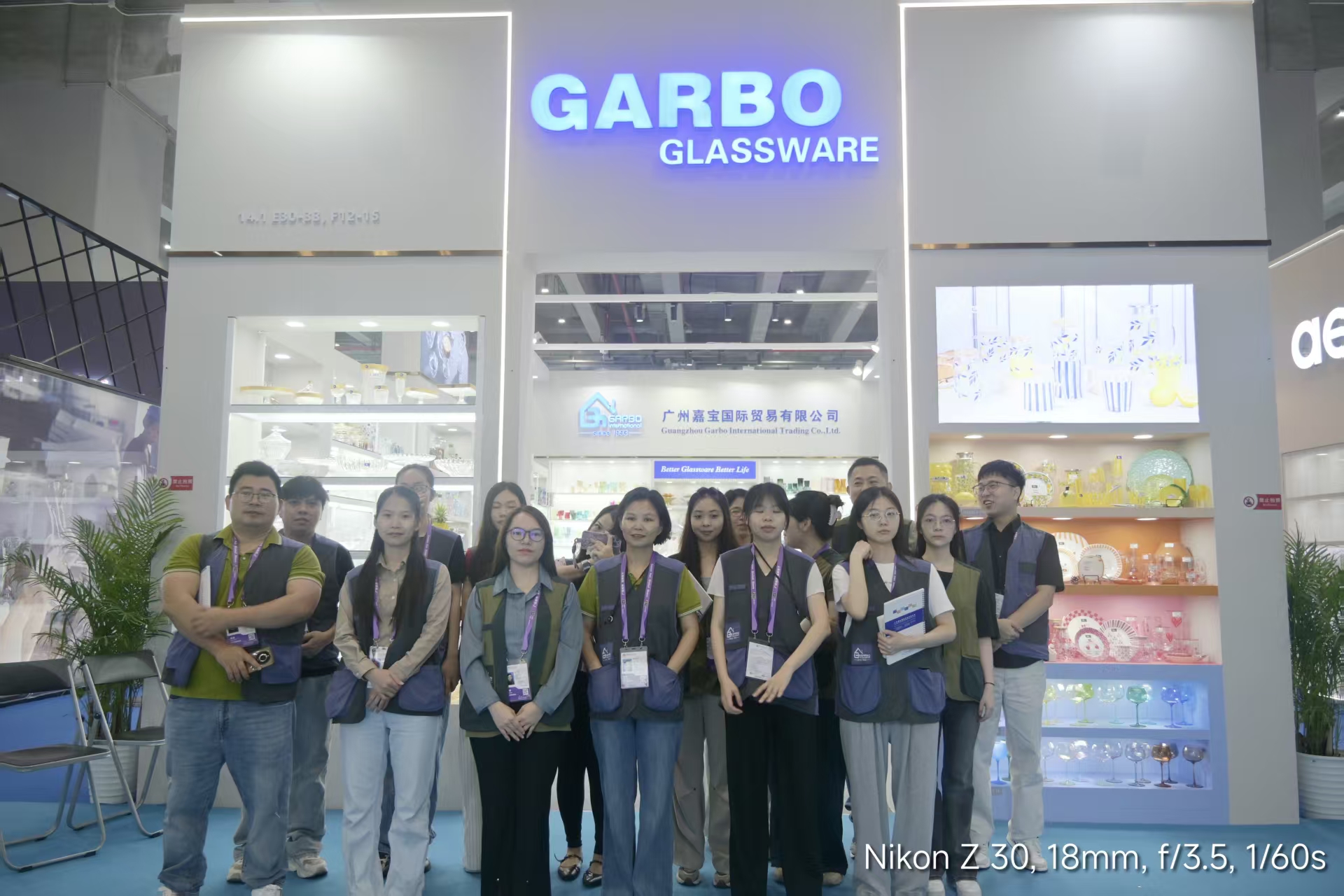
Garbo 139th Canton Fair : Full range of Glassware and kitchenware products, one-stop customizat...
Brilliant Tableware Illuminates Life: Garbo International Shines at the 2026 Shanghai Inter...
Garbo+ Stainless Steel Cutlery and Tableware Impress at the 138th Canton Fair

Garbo International boss leads sales team for global business trip