Language

Pulished on Jun. 16, 2026
For restaurants, hotels, and food and beverage distributors, the damage of ceramic tableware not only means additional procurement costs, but also affects daily operational efficiency. Many buyers often attribute frequent damage to tableware to improper operation by employees or losses during transportation. However, based on our years of export experience, the root cause of high damage rates is often closely related to the supplier's production process and quality control capabilities.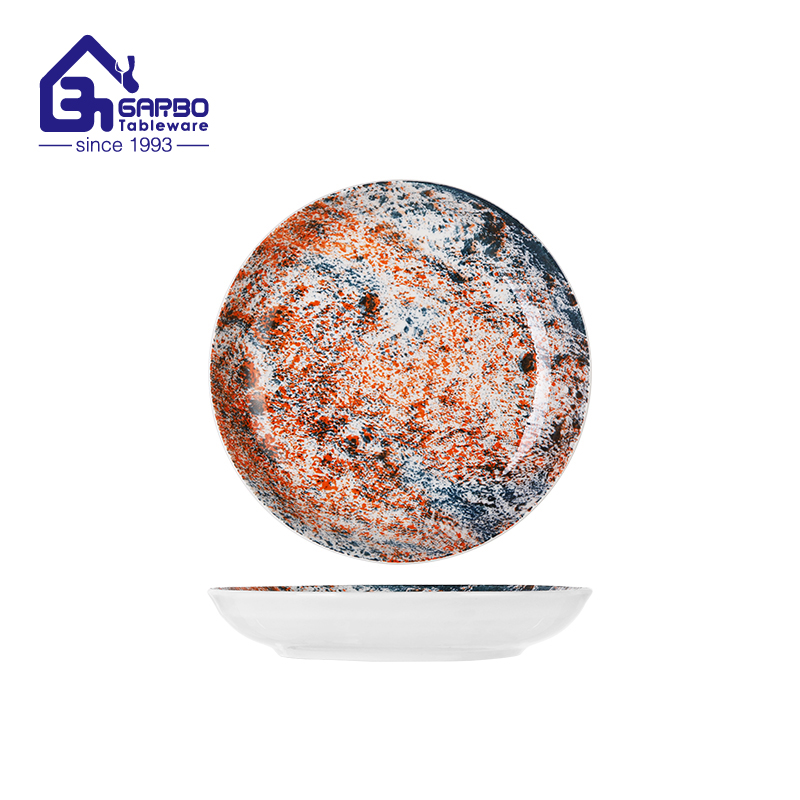
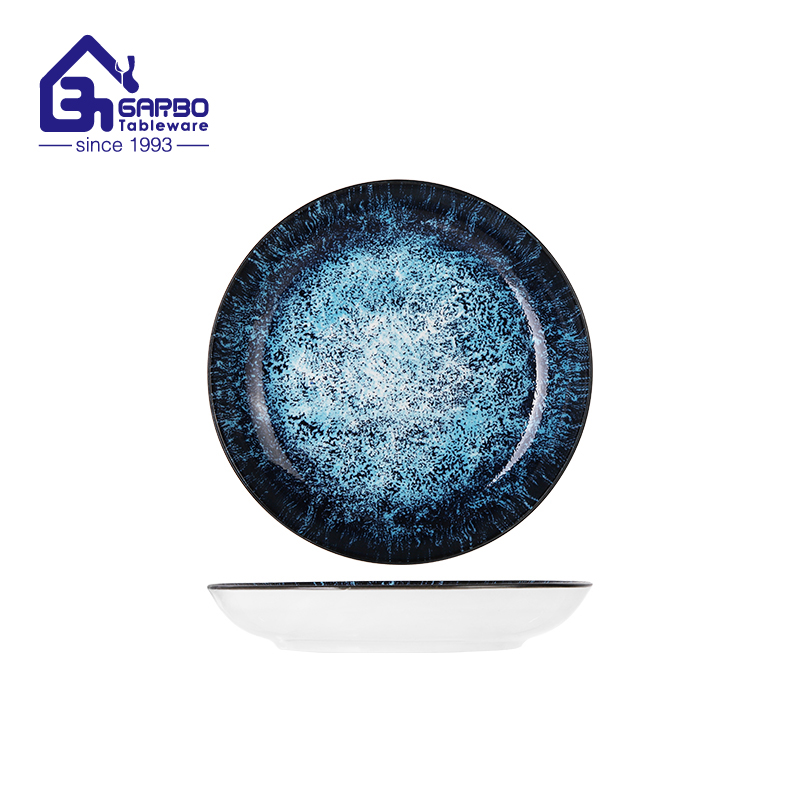
The quality of ceramic tableware largely depends on the production process.High quality ceramics are usually made from high-quality raw materials and fired at temperatures above 1200 ℃. High temperature firing can make the ceramic body denser, reduce water absorption, improve overall hardness and impact resistance.
At the same time, mature production enterprises will strictly control the mud mix ratio, molding process, firing curve, and quality inspection process to ensure product consistency from the source.
For the catering industry, they have to face high-frequency use, dishwasher cleaning, and handling and stacking every day. If the quality of the product itself is not up to standard, even if the appearance is exquisite, it is difficult to withstand long-term use tests
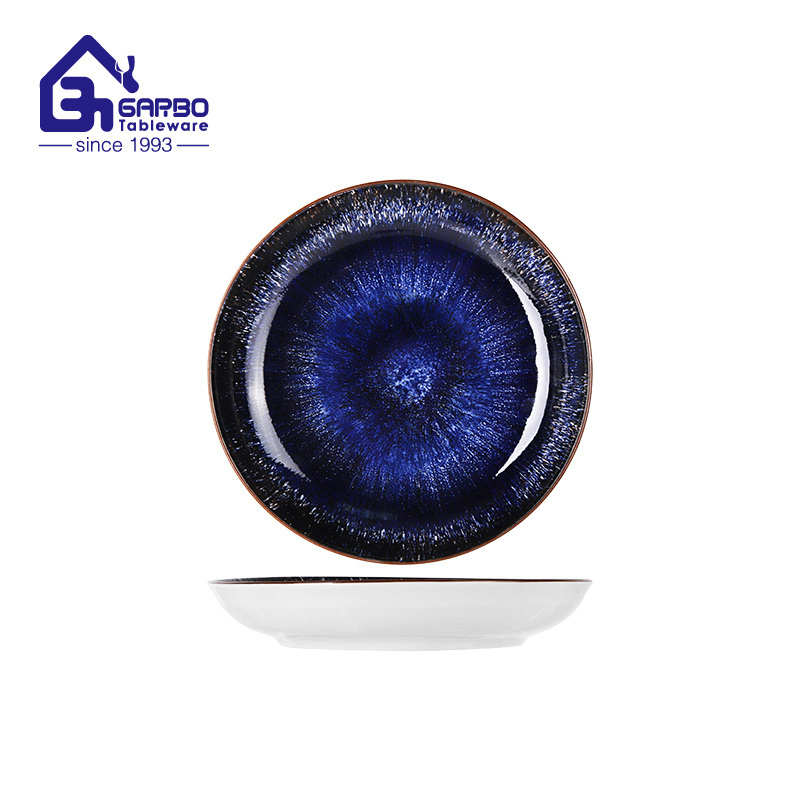
The breakage rate of ceramic tableware is not only related to the product itself, but also to supplier stability.
Differences in firing temperature, glaze formula, and production control can cause variations in density, thickness, or color between batches. This is a common issue in ceramic tableware wholesale supplier quality stability, especially in long-term, high-frequency use, leading to higher breakage risk.
Unstable supply also leads to mixed-batch usage, where inconsistent physical performance increases the chance of chipping or cracking during stacking and washing.
Therefore, breakage rate is not only a product issue, but also a reflection of supplier capability.
The damage rate of ceramic tableware is not entirely inevitable. Many times, the problem lies not in the usage method, but in the quality of the product itself and the manufacturing capability of the supplier.
For hotels, restaurants, and distributors, instead of repeatedly restocking and frequently changing, it is better to choose a trustworthy supplier from the source. High quality ceramic products may not necessarily have the lowest price, but they can create greater value for enterprises with longer service life, more stable quality, and lower overall costs.
Choosing the right supplier is often more important than choosing cheaper products.


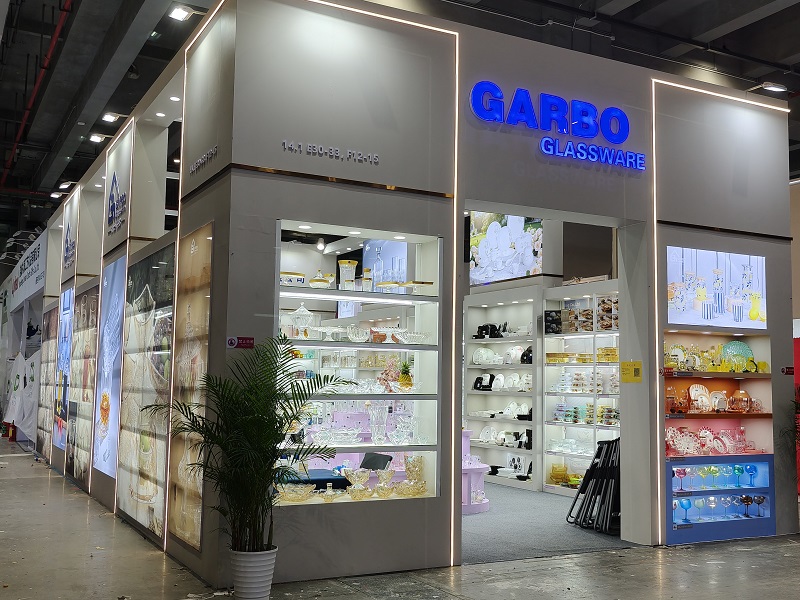
Garbo at 139th Canton Fair: 30+ Years of Glass Heritage + In-House Cutlery Factory

Garbo 139th Canton Fair : Full range of Glassware and kitchenware products, one-stop customizat...
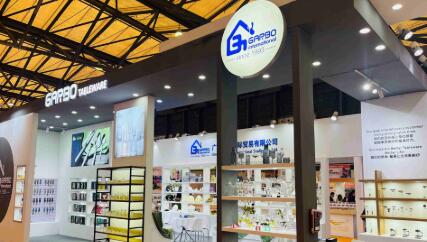
Brilliant Tableware Illuminates Life: Garbo International Shines at the 2026 Shanghai Inter...
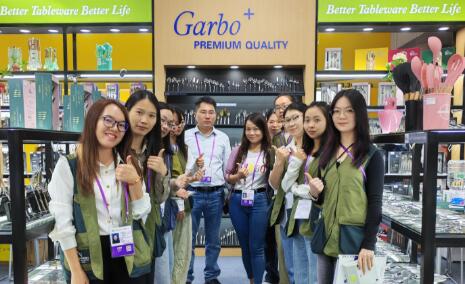
Garbo+ Stainless Steel Cutlery and Tableware Impress at the 138th Canton Fair

Garbo International boss leads sales team for global business trip