Language

Pulished on Apr. 15, 2026
Baking plates, almost existing in today all family, are the tools for cooking delicious meals. Whether it's the golden and stringy cheese-baked rice, the sizzling and oily
garlic-flavored ribs, or the crispy and tender roasted vegetables, none of them can be made without the participation of a baking plate. And ceramic baking plate, with
their excellent heat retention, high-temperature resistance, and high aesthetic appeal, are becoming the "new favorite" in each family kitchens. So, do you know the
differences between ceramic baking plates made from different materials? What temperatures can they withstand? And in which scenarios are they suitable for using?
I.Why the ceramic baking plates can be heat-resistant?
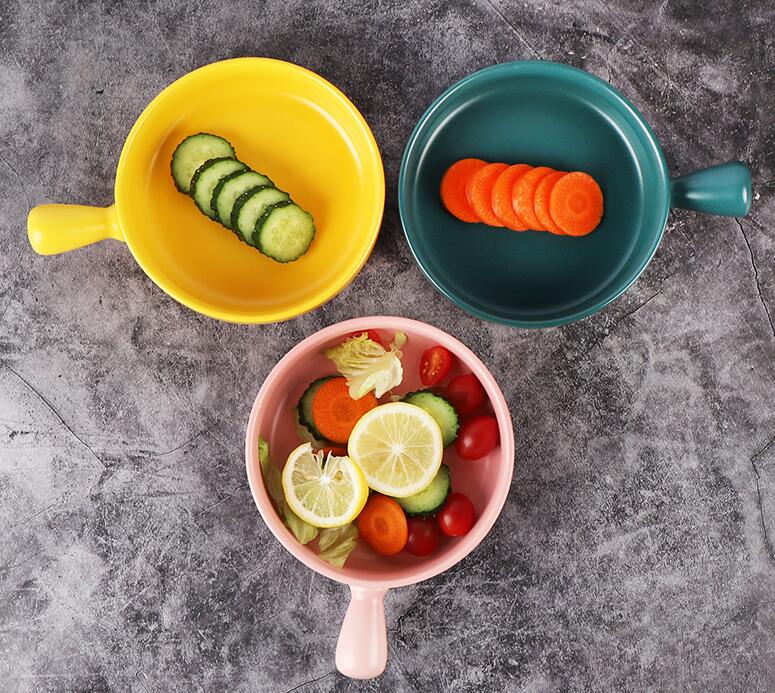
Many people are not very sure that the baking plates really can be put in the oven? Will they suddenly crack? In fact, high-quality ceramic baking plates wholesale from China
are fully capable of handling oven. The heat resistance of ceramics is not accidental but determined by raw materials and production processes. Firstly, ceramics are mainly
composed of kaolin, feldspar and quartz. Among them, kaolin provides stability, while feldspar and quartz enhance heat resistance and mechanical strength. Secondly, ceramic baking
plates are fired at high temperatures of 1200-1350℃ in kilns, and ceramics form a hard and dense structure, enabling them to withstand the high temperatures of daily
ovens without deforming. Finally, the smooth glaze surface of ceramic baking plates is not only beautiful and impermeable, but also further improves thermal shock resistance.
Ceramic baking plates can surely withstand high temperatures, they might crack because the sudden temperature changes. Do not directly put baking plate which just taken
out of the oven into cold water, as this can easily cause cracking due to uneven expansion and contraction. It is recommended to let the baking plate stay completely cool before cleaning.
II.Temperature Resistance of different ceramic baking Plates
Ceramic baking plates are mainly classified into four types based on their materials and manufacturing procession. Each one has its own advantages in terms of heat resistance
and application scenarios:
1.Ceramic baking plates made from high-temperature porcelain can be fully used in ovens, with a heat resistance temperature maximum 250 degrees Celsius. They are often
used at home for cooking such as baking rice, roasting vegetables, and making desserts. Due to their dense and durable texture, they are the preferred choice for household usage.
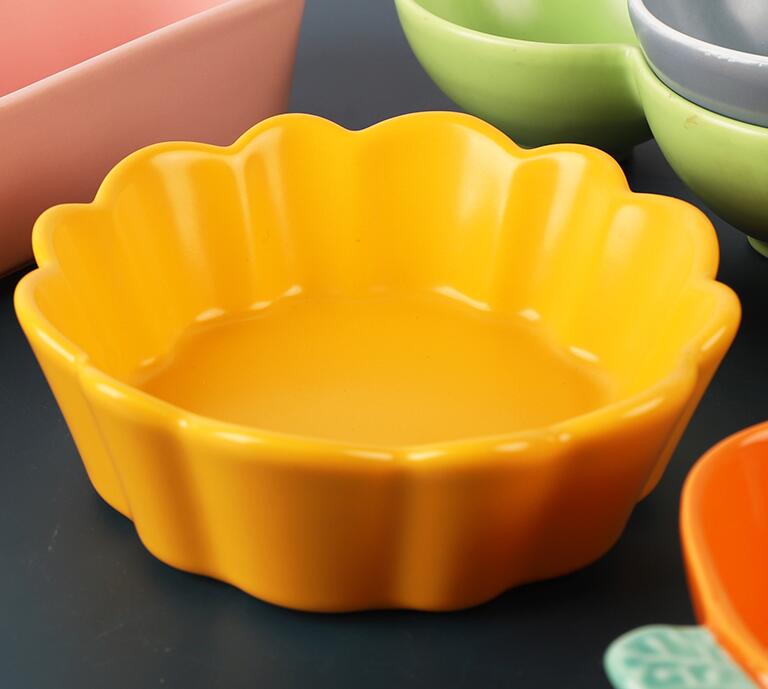
2.Baking plates made from stoneware can also be used in ovens, with a heat resistance temperature maximum 200 degrees Celsius. Because of their relatively thick thickness,
they have excellent heat retention and are suitable for Western-style dishes and deep dish baking. They are often used in coffee shops.
3.Baking plates made from bone china are also fired at temperatures above 1000 degrees Celsius, but they may not be suitable for using in ovens. Even if Bone china is thin,
transparent, and has a high-end texture. But if they have gold or silver trims, they cannot be used in microwaves or ovens. Those without metal decorations can be used in microwaves.
4.Baking plates made from earthenware are not recommended for use in ovens as their heat resistance temperature is relatively low, usually around 160 to 180 degrees
Celsius. Because this type of material is porous and absorbs water, its heat resistance is weak. If put it in an oven, it may crack at high temperatures. Therefore, it is only suitable
for low-temperature baking.
When you get a ceramic baking plate, you’d better to check the bottom if it is with an "Oven Safe" label or temperature resistance instructions. If it is high-temperature porcelain
or stoneware without metal decorations, you can basically use it with confidence for baking.
III.Usage scenario for Different Baking Plates
1.High-temperature ceramic baking plates are the most widely used. From small baking bowls for one person to large baking plates for family gatherings, they almost
cover all daily oven cooking. Usually, we can use small ceramic baking bowls to make sunny-side-up eggs and cheese-baked tomatoes for breakfast; we can also use
high-temperature ceramic baking plates to roast chicken wings, make garlic ribs, baked rice, and lasagna for lunch or dinner. They can be also used to bake brownies,
fruit pies, and cheesecakes for afternoon desserts. Ovens at home can be usually set at 180-220℃, and the baking plates can be basically handled stably in this temperature range.
2.Stoneware is thicker and has better heat retention than porcelain. Therefore, stoneware baking plates are particularly suitable for occasions where food needs to
maintain its temperature for a long time. For instance, in Western restaurants or coffee shops, they can be used to hold baked seafood or roasted potato wedges,
delaying the cooling of the food. When food is taken away, it remains warm when delivered to the customer. Using stoneware baking trays during the autumn and
winter seasons ensures to keep your food warm throughout the dinner time.
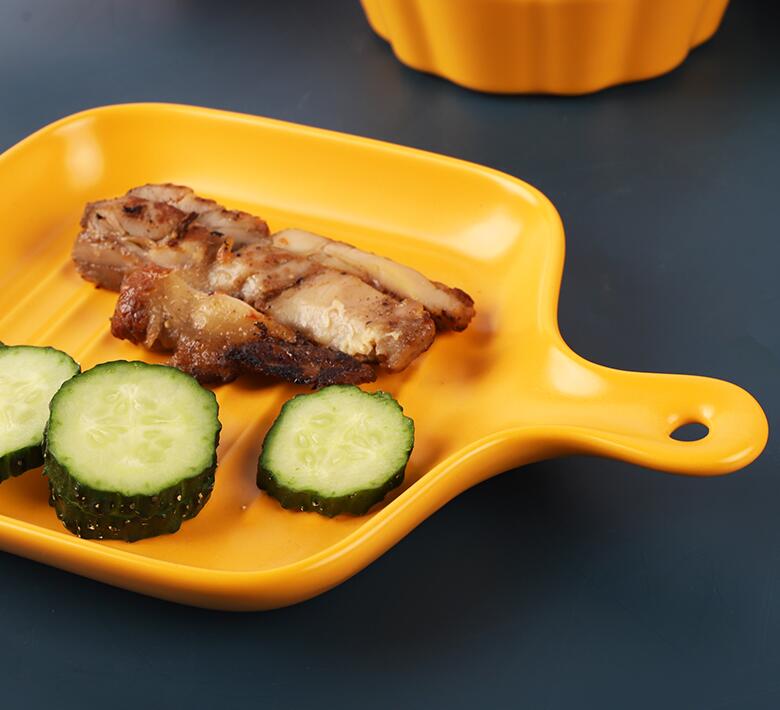
3.No matter what material it is made of, a ceramic baking plate manufactured in Chinese factory with a handle is highly recommended. The plate is very hot when it comes
out of the oven. With a handle, you can hold it steadily even with thick gloves on and won't get burned. At the same time, it enables a "one-stop" serving from the oven to
the table: you can serve it directly without washing an extra plate.
The baking tray plays an indispensable role in our daily life. How to choose the right baking pan is also quite important for our daily life. After understanding which types
of baking pans are suitable for different situations, I believe you have formed some ideas.


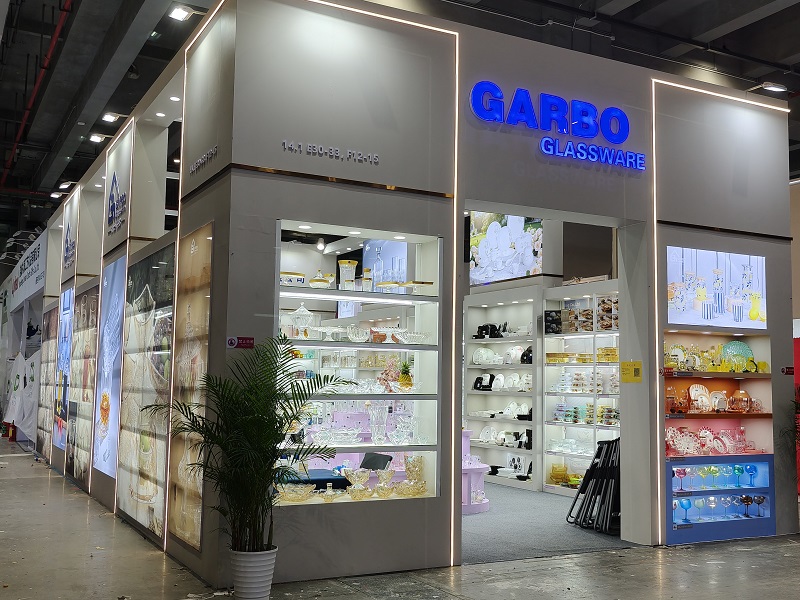
Garbo at 139th Canton Fair: 30+ Years of Glass Heritage + In-House Cutlery Factory
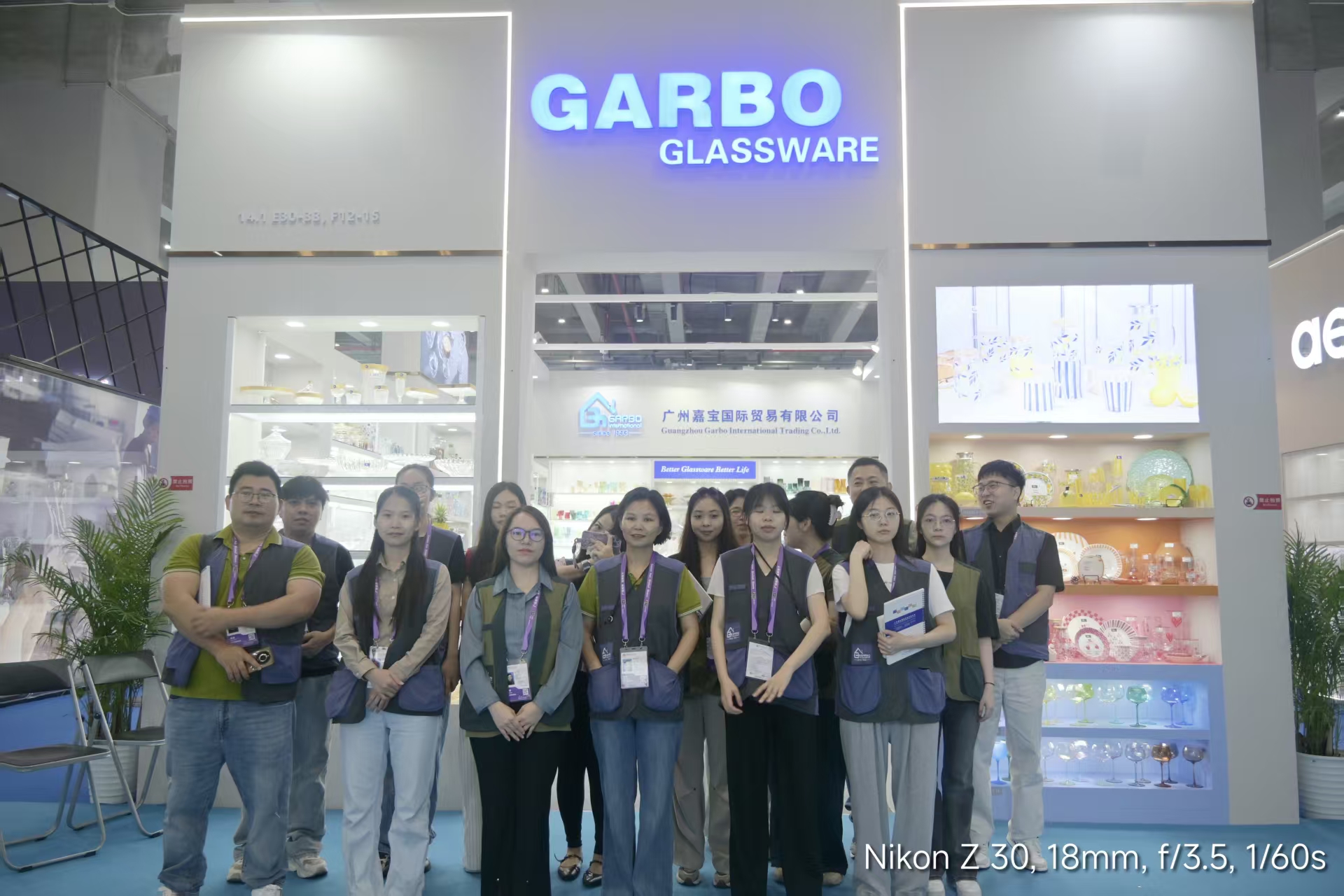
Garbo 139th Canton Fair : Full range of Glassware and kitchenware products, one-stop customizat...
Brilliant Tableware Illuminates Life: Garbo International Shines at the 2026 Shanghai Inter...
Garbo+ Stainless Steel Cutlery and Tableware Impress at the 138th Canton Fair

Garbo International boss leads sales team for global business trip