Language

Pulished on May. 21, 2026
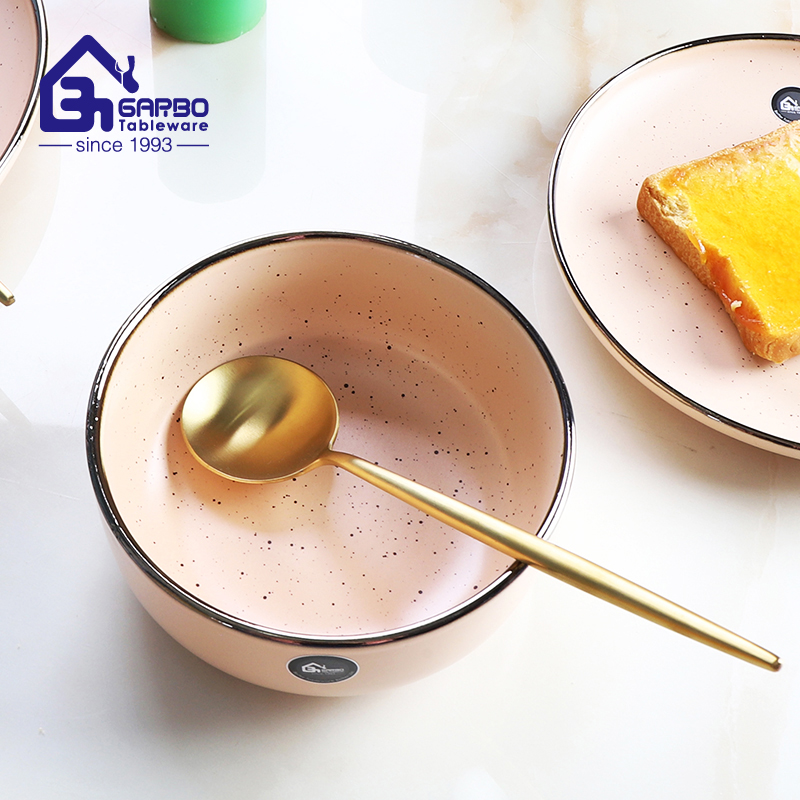
Stoneware is a material between earthenware and porcelain. Its biggest advantages are its durability, resistance to temperature changes, and ease of cleaning; its main disadvantages are its weight, lower whiteness compared to porcelain, and less refined appearance.
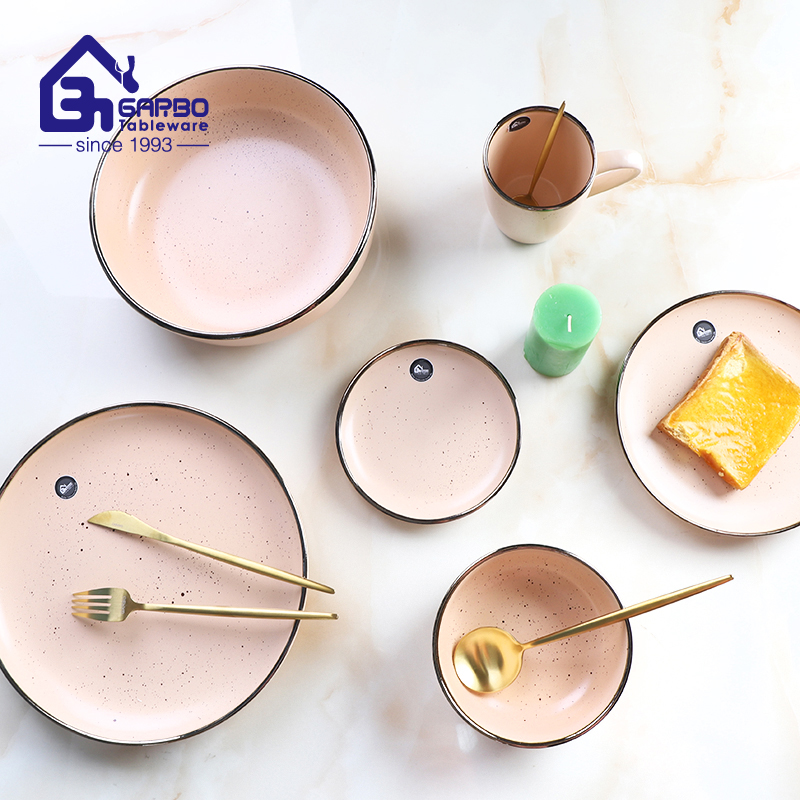
I. Advantages (Most Important for Daily Use/Export):
High Hardness, Impact and Durability
Sintered at 1200–1300℃, the body is dense, impact-resistant, resistant to bumps and chips, far superior to coarse earthenware; suitable for frequent use in hotels, canteens, and homes.
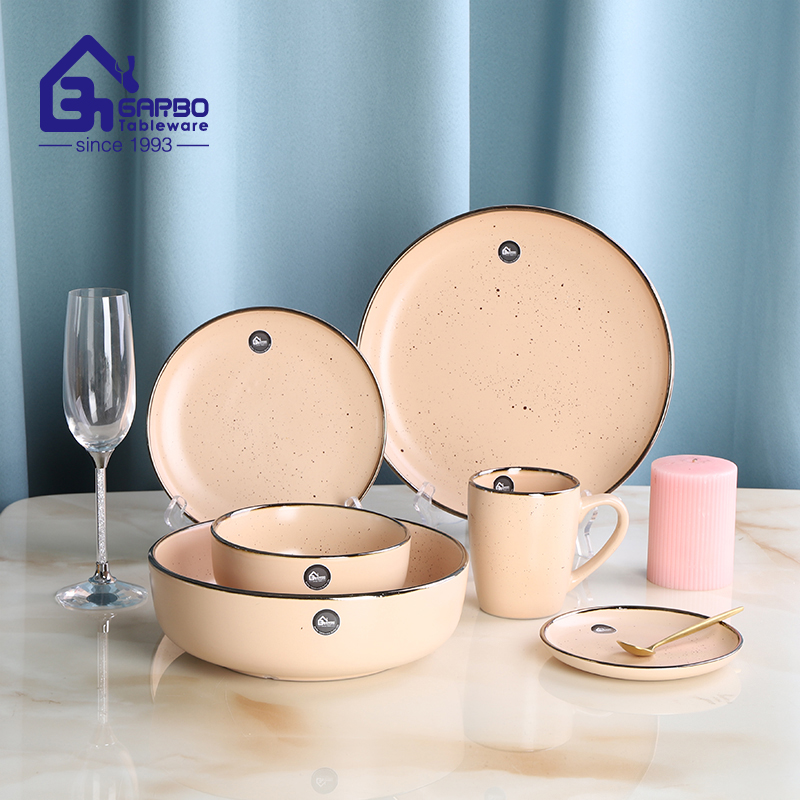
Extremely Low Water Absorption (≤2%)
Similar to porcelain, it is waterproof, does not absorb dirt, is not prone to mold, and does not absorb odors; suitable for long-term storage of soups and sauces.
Excellent Thermal Stability (Resistant to Temperature Changes)
Can withstand sudden temperature changes from refrigerator to microwave to oven to dishwasher without cracking; ideal for baking pans, stew pots, and coffee cups.
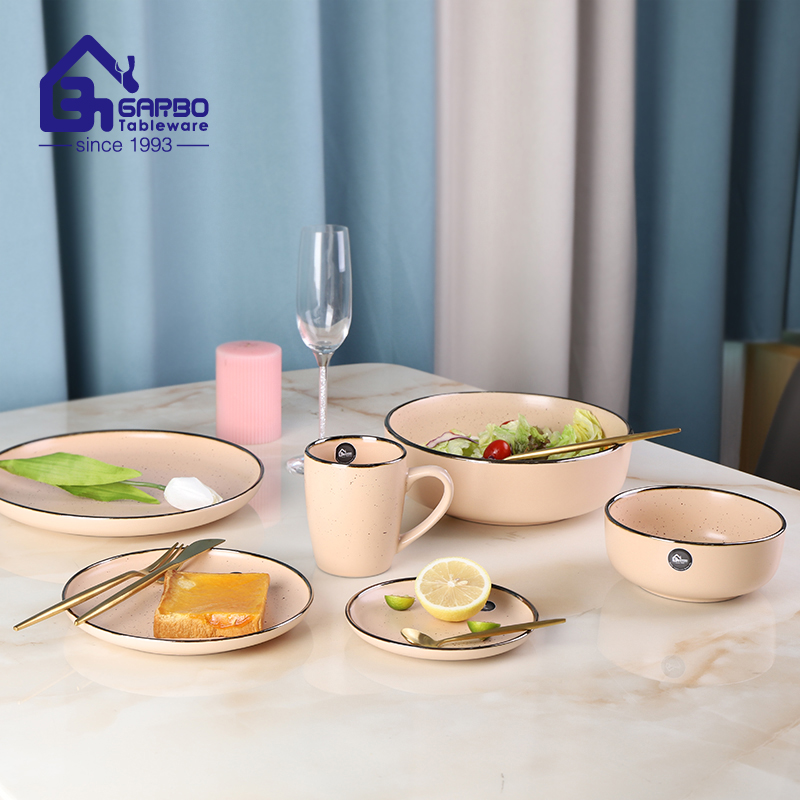
Safe, Healthy, and Easy to Clean
High-temperature firing + dense body, lead-free, cadmium-free, and does not release harmful substances; smooth glaze, easily rinsed clean, dishwasher compatible.
High Cost-Performance Ratio and Large Production Capacity
Raw material requirements are lower than white porcelain/bone china, resulting in moderate costs and stable mass production; large production capacity in Chaozhou and Liling, a major export market, with guaranteed delivery times.
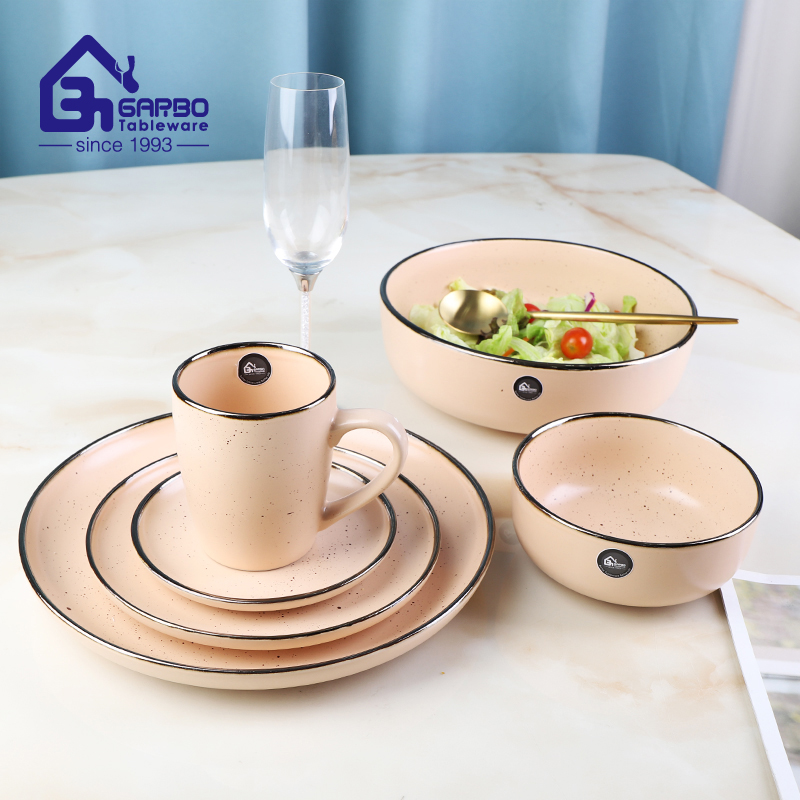
Natural Style and Unique Texture
The body is mostly off-white, light gray, or yellowish-brown, with a matte/semi-matte texture, giving it a retro and simple feel; Nordic and Japanese styles have been very popular in recent years.
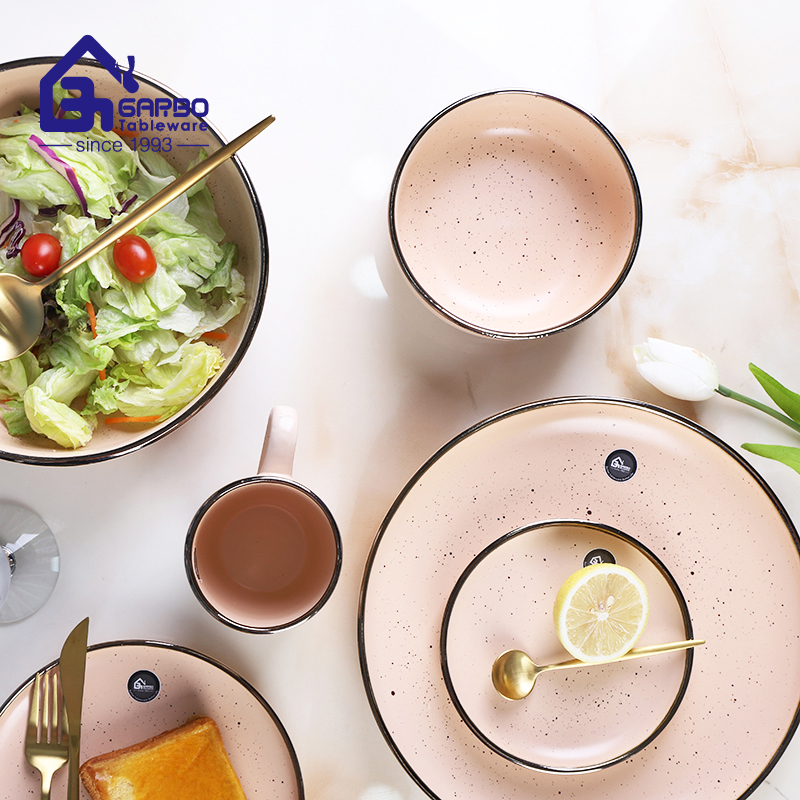
II. Disadvantages (Purchase/Selection Requires Consideration)
Relatively Heavy
20%–40% heavier than white porcelain/bone china of the same volume; higher long-distance transportation costs, slightly increased risk of breakage, and hand fatigue after prolonged handling.
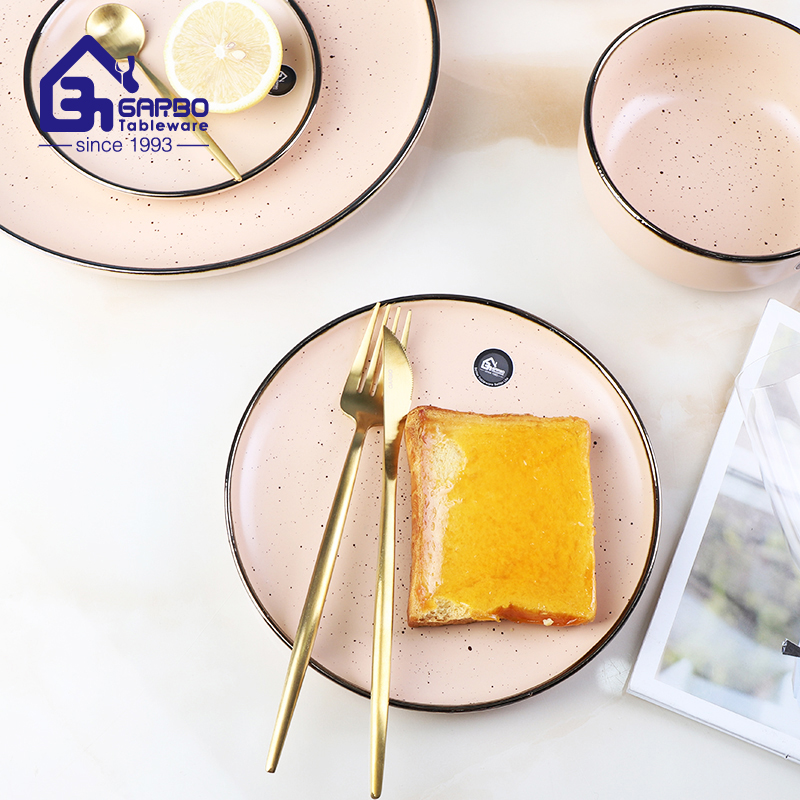
Insufficient Whiteness and Less Refined Feel
The body does not achieve the high whiteness and translucency of high-white porcelain/bone china, leaning towards a warmer tone; lacking the exquisite luxury of porcelain, unsuitable for ultra-high-end, light luxury gifts.
Limited Color and Pattern: High-temperature firing limits vibrant colors, resulting in matte and vintage glazes. Complex reliefs and openwork designs are difficult to create, and the decorative fineness is inferior to porcelain.
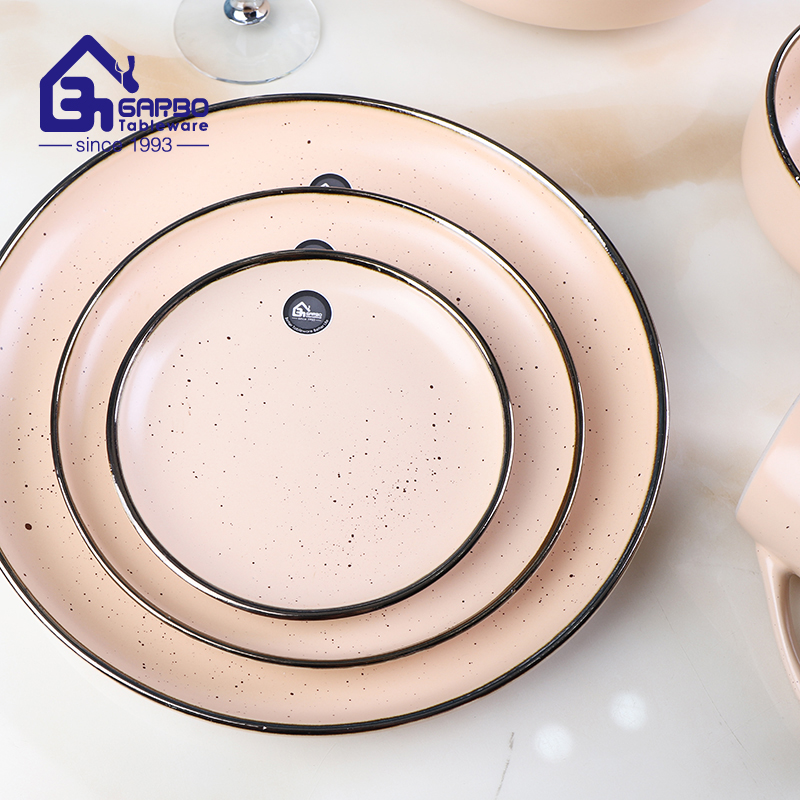
Slight Water Absorption (Compared to Porcelain): Although ≤2%, prolonged immersion or repeated rapid heating and cooling may cause staining/hidden cracks in rare cases; unlike porcelain, which is "waterproof."
Dull Sound: The sound when tapped is a dull "thump, thump," lacking crispness and metallic resonance; unlike the melodious "tinkle" of porcelain.



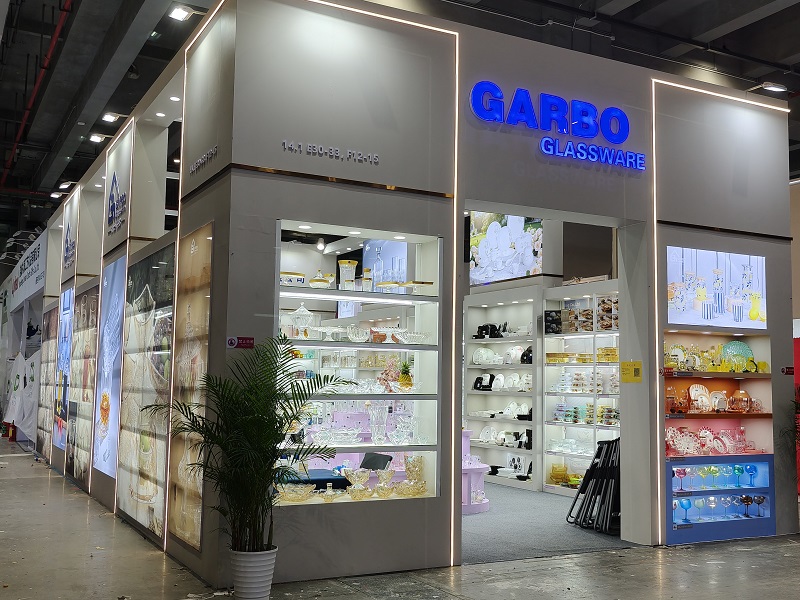
Garbo at 139th Canton Fair: 30+ Years of Glass Heritage + In-House Cutlery Factory
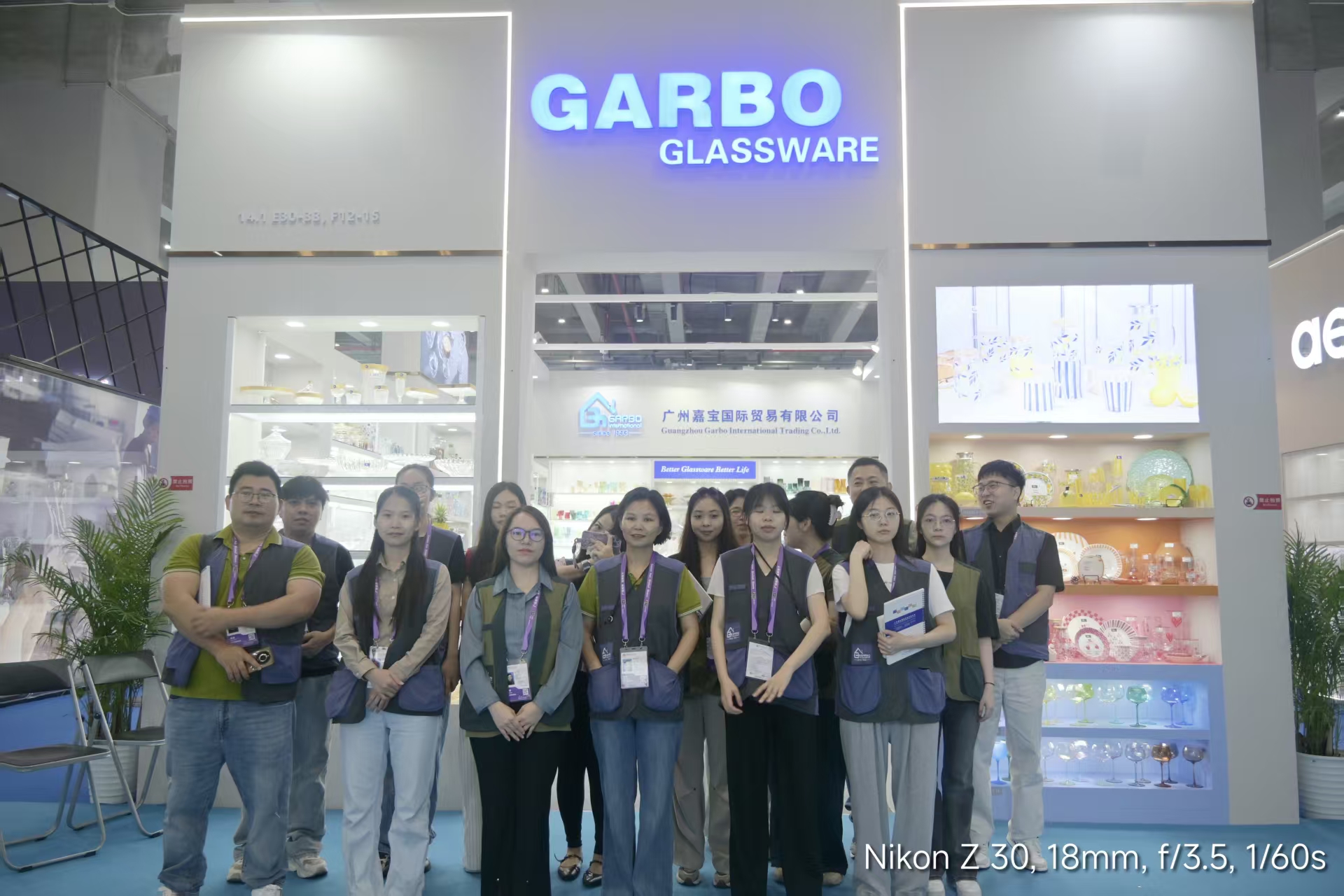
Garbo 139th Canton Fair : Full range of Glassware and kitchenware products, one-stop customizat...
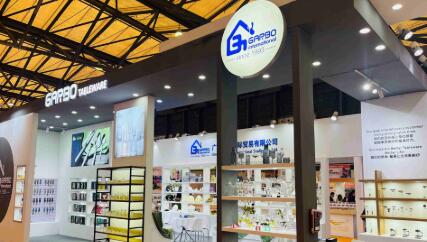
Brilliant Tableware Illuminates Life: Garbo International Shines at the 2026 Shanghai Inter...
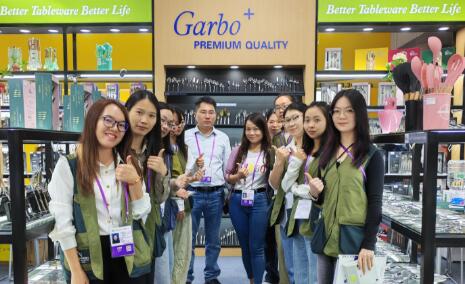
Garbo+ Stainless Steel Cutlery and Tableware Impress at the 138th Canton Fair

Garbo International boss leads sales team for global business trip