Language

Pulished on Jul. 09, 2026
Every morning when you get up, which cup do you pick up first? Is it a ceramic one or a glass one? This question may seem trivial, but if you think about it carefully, it actually
contains quite a lot of considerations. Ceramic cups and glass cups can be said to be the two most commonly used materials for daily drinking. Each has its own advantages
and disadvantages. So which one is more suitable for you? Today, let's have a detailed discussion about it.
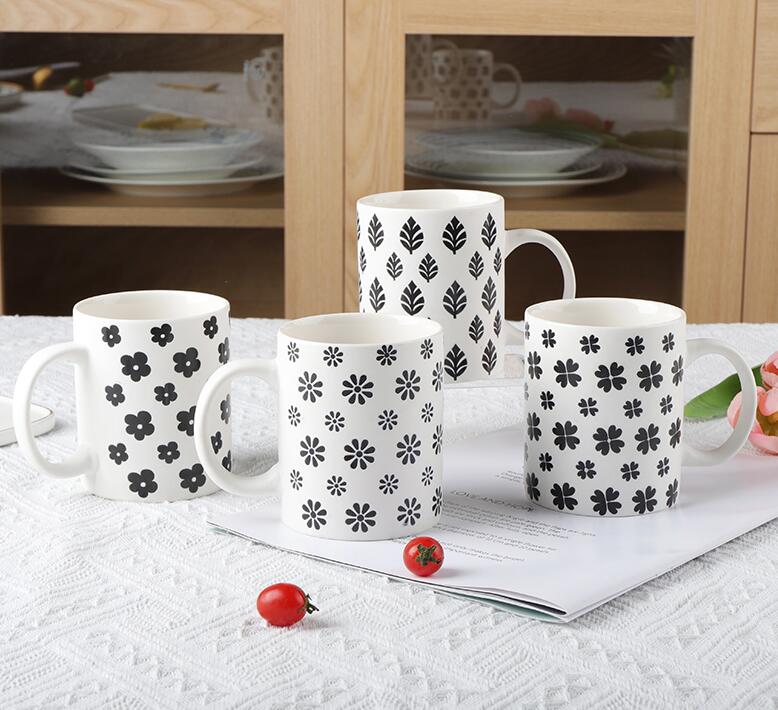
If you prefer to savor a cup of hot tea or coffee slowly, a ceramic cup would be a better choice. Ceramic conducts heat more slowly than glass, and the heat is less likely to
escape through the cup walls. Therefore, hot drinks can retain their temperature for a longer time in a ceramic cup. Holding a ceramic cup in your hand in winter, you can feel
the warmth on your palm, and that sense of security is something a glass cup cannot provide.
The glass cup, on the other hand, conducts heat very quickly. When hot water is poured into it, the cup wall will become very hot very quickly and it will be hard to hold; when
it no longer feels hot, the water has already cooled down quite a lot. But from the opposite perspective, if you prefer to drink cold boiled water, ice water or juice, a glass cup
is very suitable - it won't cause any temperature interference to the beverage, and what you drink is the actual temperature of the beverage itself.
This issue should be viewed in two aspects. In daily use, ceramic cups are more "resistant" than glass cups. The hardness and toughness of ceramics lie between those of glass
and metals. Under normal usage, they are less likely to suffer visible damages. A minor bump might leave the ceramic cup intact while the glass cup might already have tiny cracks
- these cracks may not be visible to the naked eye, but the strength of the glass cup has already been compromised.
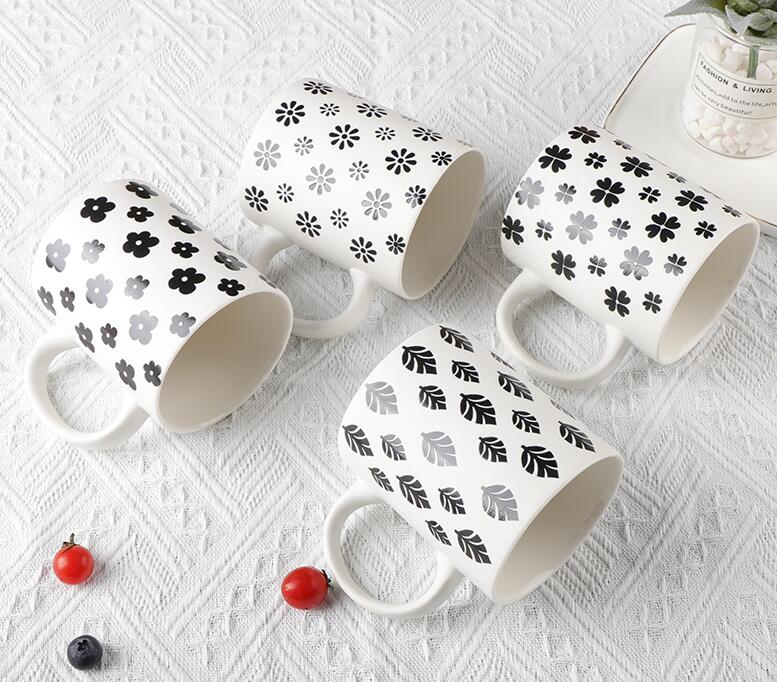
However, ceramic cups also have their own weaknesses. They are prone to being damaged by sharp and hard objects, such as when a spoon accidentally bumps against the cup
wall during vigorous stirring, or when it accidentally falls to the ground - ceramic cups tend to shatter directly or develop a crack. Although glass cups are also afraid of being
dropped, tempered glass is actually more resistant to drops than ordinary ceramic under the same impact.
What is more worthy of attention is the long-term safety. If the glaze of the ceramic cup wholesale from China is intact, it is very safe as the food does not come into direct contact with the body.
However, if the glaze has cracks or peels off, the impurities inside the cup body may dissolve. Therefore, for ceramic cups with cracks, it is best to replace them directly with new
ones. The concern for glass cups lies in that repeated alternating of hot and cold may cause micro-cracks, but this risk mainly occurs on ordinary sodium calcium glass, while
high-borosilicated glass is much better.
Whether the used cup is clean or not directly affects whether you are willing to use it every day.
The surface of a ceramic cup is smooth. Whether it's tea stains or coffee stains, they can be wiped off with a sponge easily. Moreover, the ceramic glaze does not absorb odors.
After washing and drying, there is no unpleasant smell at all.
Glass cups are also excellent in terms of cleaning. Their surfaces are dense and do not accumulate dirt. However, there is a minor issue with glass: if used to brew tea or coffee
for a long time, the inner walls of the cups may gradually form a thin layer of tea residue or coffee film, making them look grayish. This film can only be removed by using a
special cleaner or soaking it in white vinegar. Ceramic cups, on the other hand, are less likely to have this problem. As long as they are cleaned in time, they can always remain shiny.
Ceramic cups manufactured from Chinese factory can be made into a wide variety of patterns and textures - matte, glossy, hand-painted, decorated, gradient... Each one carries a
touch of "humanity". When held in the hand, the warm and unhurried feeling is the kind of life quality that many people value.
The beauty of a glass is more about transparency and purity. It doesn't hide the contents. You can immediately see the color of the tea or the clarity of the water. When drinking
water in a glass in summer, the sound of ice cubes hitting the glass wall is crisp and pleasant, providing another enjoyable experience.
If you consume a lot of hot beverages every day and prefer to savor them slowly, then a ceramic cup is the right choice for you. It can help retain the temperature and provide
you with a more complete hot beverage experience. If you prefer cold water, juice, or cold boiled water, or if you tend to drink a lot of water in one go and consume many cups
throughout the day, then a glass cup would be more suitable.
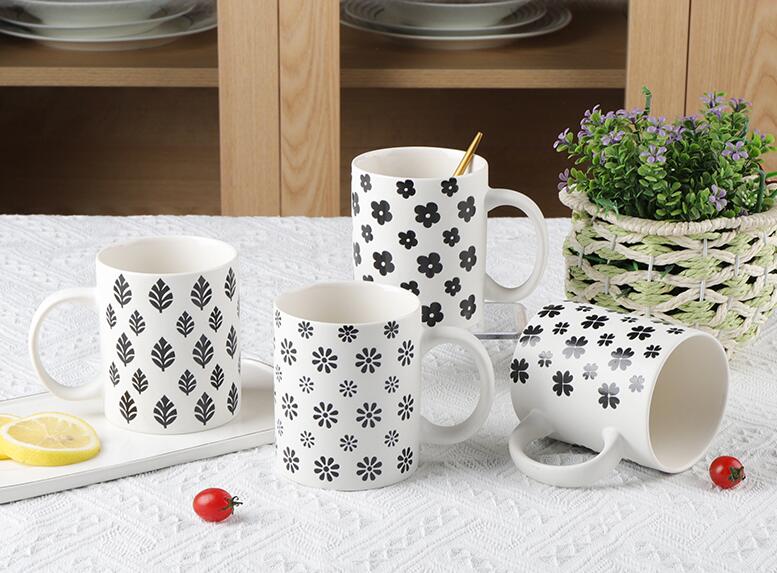
If I were to recommend just one "least error-prone" option, I would say: Keep two cups at home, one made of ceramic, for drinking hot water, hot tea, and hot coffee; the other
made of glass, for drinking cold water, juice, and sparkling water. They are never rivals but rather the best partners for each other.



Garbo at 139th Canton Fair: 30+ Years of Glass Heritage + In-House Cutlery Factory

Garbo 139th Canton Fair : Full range of Glassware and kitchenware products, one-stop customizat...

Brilliant Tableware Illuminates Life: Garbo International Shines at the 2026 Shanghai Inter...

Garbo+ Stainless Steel Cutlery and Tableware Impress at the 138th Canton Fair

Garbo International boss leads sales team for global business trip